Epsom salt baths have become a popular home remedy for muscle relaxation, stress relief, and minor aches and pains. Millions of people add these crystallized minerals to their bathwater believing in their therapeutic properties. However, despite their widespread use and generally favorable reputation, Epsom salt baths are not without potential side effects that could turn your relaxing soak into an uncomfortable experience. Understanding these possible adverse reactions is essential before you incorporate this seemingly harmless wellness practice into your routine, especially if you have underlying health conditions or plan to use them frequently.
While Epsom salt baths are generally considered safe for most healthy adults when used appropriately, the therapeutic claims surrounding them often overshadow important safety considerations. The magnesium and sulfate ions that make up Epsom salts can be absorbed through your skin during a bath, and this absorption can affect your body chemistry in ways you might not expect. Before you draw your next warm bath and reach for that box of Epsom salts, you need to understand the potential side effects, who should exercise particular caution, and how to use these baths safely to maximize benefits while minimizing risks.
Skin Irritation from Improper Epsom Salt Concentration
One of the most commonly reported problems with Epsom salt baths involves skin irritation, which can manifest as redness, itching, burning, or a rash after your soak. This reaction occurs because the high concentration of minerals creates an osmotic environment that draws moisture out of your skin cells, leading to dehydration of your epidermal layer. If you have sensitive skin or conditions like eczema or psoriasis, Epsom salt baths may actually worsen your symptoms rather than providing relief.
Allergic reactions to Epsom salts themselves are relatively rare but not impossible. Some people develop contact dermatitis characterized by inflamed, itchy skin that may blister in severe cases. If you notice hives, swelling beyond the exposed area, or difficulty breathing after an Epsom salt bath, seek medical attention immediately. Even mild skin irritation should be taken seriously—discontinue use if you experience persistent discomfort and consider consulting a dermatologist before trying again.
The concentration of Epsom salts in your bath water significantly influences your risk of skin problems. While product labels often recommend two to four cups per standard bathtub, these recommendations aren’t standardized and may not account for individual sensitivity. Start with just one cup of Epsom salts and limit your soak to fifteen to twenty minutes to gauge your skin’s tolerance before gradually increasing the amount or duration.
Magnesium Toxicity Risks from Frequent Soaking
The primary appeal of Epsom salt baths lies in the belief that magnesium can be absorbed through your skin to supplement dietary intake. While healthy kidneys efficiently eliminate excess magnesium, this filtration capacity has limits. When magnesium levels in your blood rise above normal ranges—which can happen with excessive Epsom salt bath use—you may experience nausea, vomiting, flushing, low blood pressure, and a feeling of weakness.
How Epsom Salt Bath Frequency Affects Magnesium Levels
Using Epsom salt baths more than once daily significantly increases your risk of magnesium accumulation, especially when combined with very long soak times (exceeding thirty minutes), very hot water (which opens pores), and concurrent use of other magnesium supplements. People with any degree of kidney impairment should be particularly cautious and consult their healthcare provider before using Epsom salt baths regularly.
Warning Signs of Magnesium Overload
Watch for these symptoms that may indicate magnesium toxicity:
– Persistent nausea or vomiting
– Unusual drowsiness or lethargy
– Diminished reflexes
– Muscle weakness
– Irregular heartbeat
If you experience multiple symptoms, especially if you have kidney problems, stop using Epsom salt baths immediately and consult your healthcare provider.
Dehydration and Electrolyte Imbalance from Extended Soaks
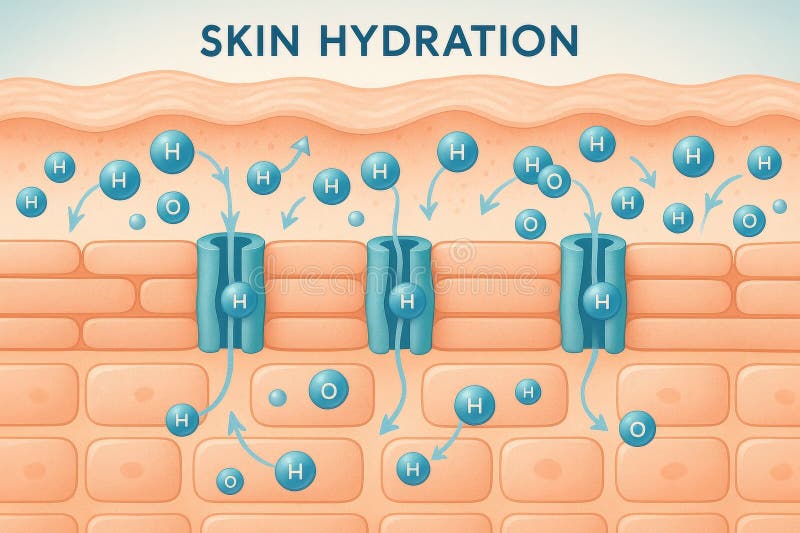
Epsom salt baths create a hypertonic environment on your skin’s surface, causing your skin cells to lose water to the surrounding bathwater rather than absorbing it. This osmotic effect can lead to temporary dehydration of your skin’s outer layers. When combined with the sweating promoted by warm bathwater, extended exposure to concentrated Epsom salt solutions can leave you feeling genuinely dehydrated.
You might experience these dehydration symptoms after an Epsom salt bath:
– Intense thirst
– Dry mouth
– Headache
– Dizziness
– Dark-colored urine
Always drink water before and after Epsom salt baths, especially if you soak longer than twenty minutes or use high salt concentrations. Replenishing fluids helps counteract both the osmotic fluid shifts and the sweating that occurs during your soak.
Blood Pressure Drops After Epsom Salt Soaks
The magnesium absorbed during Epsom salt baths affects cardiovascular function by promoting relaxation of smooth muscle cells in blood vessel walls, leading to vasodilation. For most people, this effect creates a pleasant sense of relaxation. However, if you already have low blood pressure, take antihypertensive medications, or are prone to dizziness upon standing, this blood pressure-lowering effect can become problematic.
Standing up quickly after an Epsom salt bath may cause lightheadedness or even fainting due to the combined effect of vasodilation and residual warmth in your leg vessels. If you experience frequent dizziness after Epsom salt baths, consider these safety measures:
- Sit on the edge of the tub for several minutes before standing
- Have someone assist you when exiting the bath
- Keep a towel nearby in case you feel faint
- Consider reducing your bath duration or salt concentration
Kidney Function Concerns with Regular Use
Your kidneys serve as your body’s primary filtering system for magnesium, and their function is the most important factor determining whether Epsom salt bath use is safe for you. In healthy kidneys, excess magnesium is efficiently excreted in urine. However, if you have reduced kidney function—whether from chronic kidney disease, acute injury, or certain medications—this protective mechanism is compromised.
Many people with early-stage kidney disease don’t realize they have the condition, as it often produces no obvious symptoms. Even mild to moderate reduction in kidney function can significantly impair your ability to handle the magnesium load from regular Epsom salt baths. If you have any kidney concerns, obtain clear guidance from your nephrologist or primary care physician before incorporating Epsom salt baths into your routine.
Medication Interactions You Should Know

The systemic absorption of magnesium means it enters your bloodstream and can potentially interact with medications you’re taking. These interactions can enhance certain drug effects, reduce absorption of others, or cause additive side effects.
Blood pressure medications require particular attention, as magnesium’s vasodilatory effects can compound with prescription antihypertensives like ACE inhibitors, angiotensin receptor blockers, calcium channel blockers, and beta-blockers. The combination could cause your blood pressure to drop too low, leading to dizziness or fainting.
Muscle relaxants also interact significantly with magnesium, as both affect neuromuscular function. The combination could lead to excessive muscle weakness, drowsiness, or impaired coordination. Always discuss Epsom salt bath use with your prescribing physician if you take any medications regularly.
Special Populations That Need Extra Caution
Certain groups face elevated risks from Epsom salt baths and should exercise heightened caution or avoid them entirely without medical guidance. Pregnant women, particularly during the first trimester, should discuss Epsom salt bath use with their obstetrician. The concern centers on the potential for absorbed magnesium to cross the placental barrier and affect fetal development, as well as the risk of elevated core body temperature during prolonged warm baths.
Individuals with diabetes face multiple concerns with Epsom salt baths. Diabetes is a leading cause of kidney disease, and many diabetics have some degree of renal impairment that may not be apparent. Additionally, diabetes often causes peripheral neuropathy—reduced sensation in the feet and hands—which can mask early signs of skin irritation. If you have diabetes, have a thorough discussion with your endocrinologist before using Epsom salt baths.
Recognizing When to Seek Medical Help
While most side effects of Epsom salt baths are mild, certain symptoms warrant immediate medical evaluation. Seek emergency care if you experience difficulty breathing, swelling of the face or throat, or widespread hives after an Epsom salt bath.
Symptoms suggesting significant magnesium toxicity require urgent medical evaluation, particularly if they occur in someone with known kidney disease or after an unusually long or concentrated bath. These include severe muscle weakness, profound drowsiness, slowed or irregular heartbeat, dramatically low blood pressure causing fainting, and respiratory difficulty. If you observe these symptoms following Epsom salt bath use, seek emergency medical treatment immediately.
Safe Epsom Salt Bath Practices for Risk Reduction
Using Epsom salt baths safely requires attention to concentration, temperature, duration, frequency, and your individual health status. Most healthy adults can enjoy the potential benefits while minimizing risks by following these guidelines:
Start with one to two cups of Epsom salts per standard bathtub rather than the higher amounts often recommended on product labels. Keep bathwater warm rather than hot—below 100 degrees Fahrenheit—to reduce both magnesium absorption rates and sweating. Limit initial baths to fifteen to twenty minutes, gradually extending to thirty minutes only if you tolerate shorter soaks well.
Restrict Epsom salt baths to two to three times per week rather than daily use, which increases cumulative magnesium absorption. Stay well-hydrated by drinking water before and after your bath to counteract fluid losses. Most importantly, pay attention to how your body responds and adjust your practices accordingly—if a particular concentration, temperature, or duration consistently causes symptoms, reduce it or discontinue use.
By understanding the potential side effects of Epsom salt baths and following these safety guidelines, you can make informed decisions about whether this popular home remedy is right for you and how to use it safely to support your wellness routine.
Leave a Reply