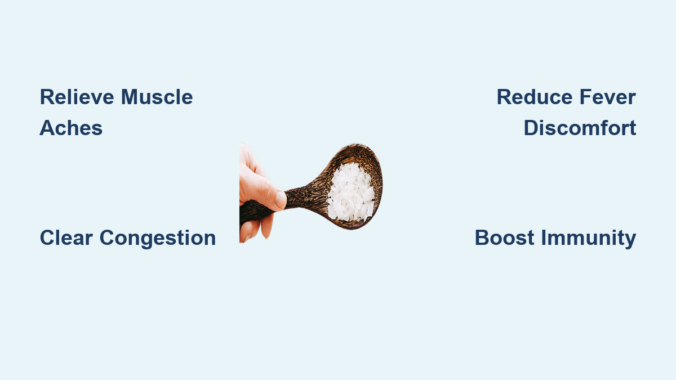
When you’re feeling under the weather with body aches, congestion, and fatigue, turning to natural remedies that complement your recovery becomes essential. An Epsom salt bath offers a gentle yet powerful way to alleviate multiple symptoms simultaneously without relying solely on medication. Whether you’re fighting a seasonal cold, flu, or recovering from physical exhaustion, understanding how this simple remedy works can significantly improve your comfort during illness. This guide reveals exactly how Epsom salt baths provide relief when you’re sick, with practical instructions for maximum benefit and important safety considerations to ensure you use this therapy effectively.
Why Your Sick-Day Epsom Salt Bath Relieves Muscle Aches Faster

The deep muscle soreness that often accompanies illness stems from your body’s inflammatory response to infection. As your immune system works overtime, inflammatory compounds flood your system, causing widespread tenderness. During your Epsom salt bath, magnesium sulfate breaks down into magnesium and sulfate ions that penetrate your skin, directly targeting these inflamed muscle tissues.
Magnesium functions as nature’s muscle relaxant by blocking calcium channels that cause muscles to contract. When illness depletes your magnesium stores through stress and reduced appetite, your muscles remain in a constant state of tension. The transdermal absorption from your bath bypasses digestive issues common during sickness, delivering magnesium straight to where it’s needed most. Within minutes of soaking, you’ll notice muscles that felt knotted and rigid beginning to soften and relax.
For optimal muscle relief, maintain water temperature between 100-104°F and soak for 15-20 minutes. This warm environment increases blood flow to sore areas, helping flush out lactic acid while the magnesium reduces inflammation at a cellular level. Many users report significant reduction in that “achy all over” feeling within 30 minutes of their bath, with benefits lasting several hours—providing much-needed rest during critical recovery periods.
Clear Nasal Passages and Eases Chest Congestion in 20 Minutes
Respiratory symptoms often prove the most disruptive when you’re sick, making rest nearly impossible. The steam generated during your Epsom salt bath creates an instant mini-sauna effect that works wonders for congestion relief. As you breathe in the warm, moist air, it immediately begins thinning thick mucus in your nasal passages and lungs, transforming stubborn congestion into easily expelled secretions.
The mineral-rich steam also soothes irritated throat and sinus tissues that become raw from constant coughing and mouth breathing. Unlike dry air that exacerbates irritation, the humidity from your bath coats these sensitive membranes with moisture, reducing inflammation and creating immediate breathing relief. For enhanced decongestion, add 2-3 drops of eucalyptus oil to your bath—its menthol compounds work synergistically with the steam to open airways.
Timing your bath before bedtime proves particularly effective for overnight congestion relief. The combination of steam therapy and muscle relaxation helps you fall asleep faster while keeping airways clearer throughout the night. Many users find they wake with significantly reduced congestion after implementing pre-bedtime Epsom salt baths during illness, eliminating those disruptive middle-of-the-night congestion episodes.
Manage Fever Discomfort Without Suppressing Your Body’s Defense
While fevers serve an important purpose in fighting infection, the accompanying discomfort can make recovery miserable. Properly executed Epsom salt baths help regulate your body temperature while supporting your immune response rather than interfering with it. The key lies in precise water temperature control—use lukewarm water between 98-100°F rather than hot water when managing fever.
This carefully calibrated temperature helps your body release excess heat through your skin while the magnesium supports immune cell function. Unlike fever-reducing medications that suppress your body’s natural defense mechanism, your bath creates optimal conditions for your immune system to work efficiently. The mineral absorption continues to support cellular function even after you exit the tub, providing extended benefits.
Limit fever-management baths to 10-15 minutes to prevent overheating, then cool down gradually by patting dry instead of vigorous rubbing. Wear lightweight clothing and rest in a comfortably cool room. This approach provides symptomatic relief while honoring your body’s natural healing processes—a crucial distinction when supporting rather than suppressing your immune response during illness.
Boost Immune Function When Your Body Needs It Most
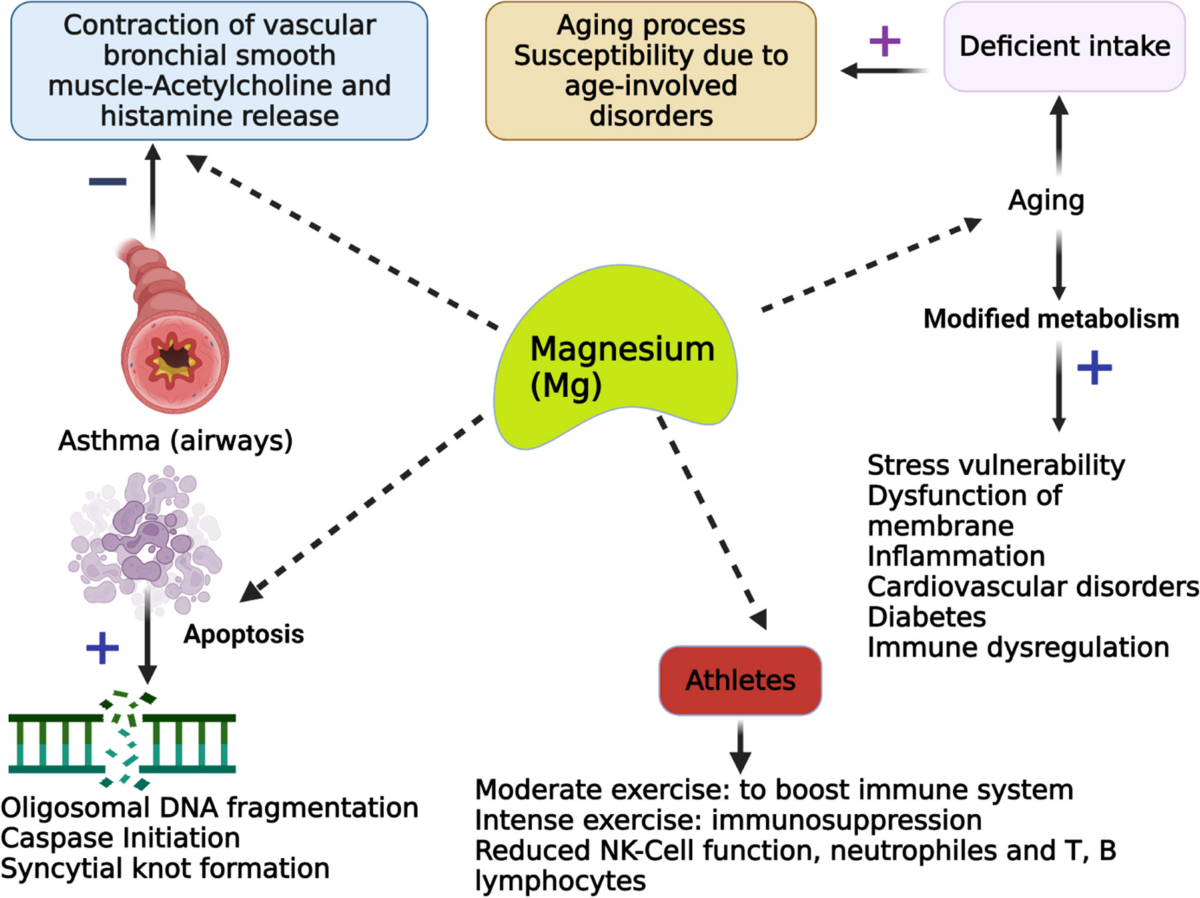
Your immune system operates at peak efficiency only when properly nourished with essential minerals like magnesium. During illness, stress and reduced food intake often create magnesium deficiency just when your body needs it most for immune cell production and inflammatory regulation. Epsom salt baths deliver this critical mineral directly through your skin, bypassing digestive issues that commonly accompany sickness.
The magnesium absorbed during your soak performs multiple immune-supporting functions: it regulates cytokine production to prevent excessive inflammation, supports T-cell development for targeted pathogen fighting, and enhances vitamin D activation—crucial for immune response. Unlike oral supplements that may cause digestive upset when you’re ill, transdermal absorption provides immediate mineral support without taxing your compromised system.
Additionally, the profound relaxation induced by your bath lowers stress hormones like cortisol that directly suppress immune function. By creating optimal conditions for rest and recovery, your Epsom salt bath becomes a comprehensive immune-support therapy rather than just symptomatic relief—helping you bounce back faster from illness.
Perfect Your Epsom Salt Bath Ratio for Maximum Absorption

Getting the salt-to-water ratio correct makes the difference between minimal relief and significant symptom improvement. For standard bathtubs (approximately 40 gallons when filled to typical soaking level), use exactly two cups of pure Epsom salt—no more, no less. This concentration creates optimal osmotic pressure for maximum magnesium and sulfate absorption through your skin.
Water temperature dramatically affects absorption rates. For general illness recovery, maintain 100-104°F water temperature—hot enough to open pores but not so hot that it causes excessive sweating (which reduces mineral absorption). If managing fever, lower to 98-100°F. Test water temperature with a bath thermometer rather than relying on hand sensation, which becomes unreliable when you’re sick.
Soak duration directly impacts effectiveness. The sweet spot for maximum benefit is 15-20 minutes—enough time for significant mineral absorption without causing skin dryness or overheating. Longer soaks beyond 25 minutes yield diminishing returns as your skin reaches mineral saturation point. For acute illness symptoms, one bath daily provides substantial relief; for persistent symptoms, two baths 8 hours apart can accelerate recovery.
Critical Safety Steps Before Your Sick-Day Soak
Epsom salt baths become unsafe for certain medical conditions without proper precautions. If you have heart conditions, high blood pressure, or diabetes, consult your physician before bathing—heat and mineral absorption can affect cardiovascular function and blood sugar regulation. Those with open wounds or skin infections should avoid baths entirely until healing occurs, as warm water can spread bacteria.
Pregnant women require special consideration. While lukewarm baths below 100°F generally remain safe throughout pregnancy, avoid hot baths during the first trimester when elevated core temperatures potentially affect fetal development. Always check with your obstetrician before bathing while pregnant and ill.
Hydration becomes non-negotiable when bathing while sick. Drink 8-16 ounces of water before entering the tub and another glass immediately after. The warm water and mineral absorption create mild diuretic effects that compound existing dehydration from illness. Exit immediately if you experience dizziness, nausea, or lightheadedness—these signal your body needs to cool down and rehydrate.
Enhance Healing with These Proven Bath Additions
Strategic additions transform your Epsom salt bath from symptom relief to comprehensive recovery therapy. Adding 5-10 drops of lavender essential oil creates a powerful one-two punch: the magnesium relaxes muscles while lavender’s linalool compounds reduce inflammation and promote deeper sleep—critical for immune function. For respiratory relief, 2-3 drops of eucalyptus oil amplifies the steam’s decongestant effects through its menthol compounds.
Timing your bath strategically multiplies benefits. Morning baths help loosen overnight congestion and prepare your body for the day’s healing work, while evening baths leverage the relaxation effect for superior nighttime recovery. Never bathe within one hour of eating—digestion competes with the increased circulation your bath creates, potentially causing nausea.
Post-bath ritual determines how long benefits last. Wrap yourself in warm towels immediately after exiting, then rest under light blankets for 20-30 minutes. This “cool-down period” extends the muscle-relaxing and immune-supporting effects by allowing your body to continue the therapeutic response initiated in the tub. Sip ginger or chamomile tea during this period to maintain internal warmth and further soothe digestive or respiratory symptoms.
When Epsom Salt Baths Aren’t Enough: Recognizing Medical Needs
While Epsom salt baths provide significant symptomatic relief, they cannot replace medical treatment for serious conditions. Seek immediate medical attention if you experience persistent fever above 103°F, difficulty breathing, severe headache with neck stiffness, or symptoms worsening after 3-4 days of home care. Never delay professional evaluation for symptoms like chest pain, confusion, or dehydration signs including dark urine and dizziness when standing.
Use Epsom salt baths as complementary therapy within a comprehensive recovery plan that includes adequate rest, proper hydration, and appropriate medical care when needed. For most viral illnesses, regular baths can shorten recovery time by supporting your body’s natural healing processes—reducing muscle aches, clearing congestion, and promoting restorative sleep. By understanding both the benefits and limitations of this therapy, you harness a traditional remedy that remains powerfully relevant in modern illness management.
Leave a Reply