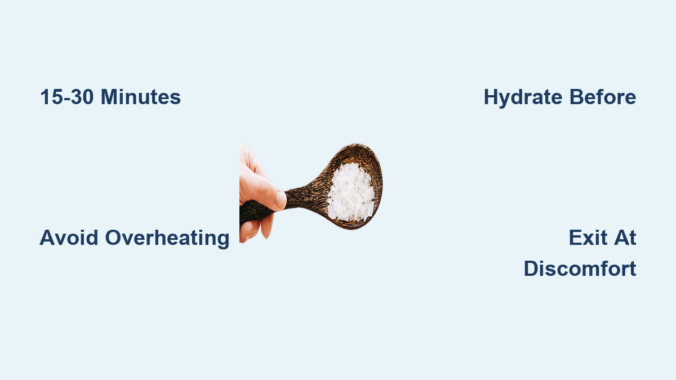
Epsom salt baths have become a popular at-home wellness ritual, but many users struggle with the fundamental question: how long in an Epsom salt bath should you actually soak? The answer isn’t one-size-fits-all, as optimal duration depends on your specific goals, health conditions, and personal tolerance. Most wellness practitioners recommend soaking for 15 to 30 minutes, but understanding why this timeframe matters can transform your experience from merely relaxing to genuinely therapeutic. When you step into a properly prepared Epsom salt bath, your body begins absorbing magnesium and sulfates through the skin—a process that requires sufficient time but can become counterproductive if extended too long.
Many people make the critical mistake of soaking for either too short a time (rendering the bath ineffective) or too long (causing potential adverse effects). The ideal duration balances absorption efficiency with your body’s natural limits. For general relaxation, 20 minutes typically provides noticeable stress relief without risking dehydration or skin irritation. If you’re targeting muscle recovery after intense exercise, 25 minutes often delivers optimal results by allowing enough time for magnesium absorption to ease tension without overheating inflamed tissues. Understanding these nuances prevents wasted effort and ensures you’re getting the most from your self-care routine.
Epsom Salt Bath Duration Guidelines by Purpose

Relaxation and Stress Relief Soaking Times
For pure relaxation and stress reduction, aim for 15-20 minutes in your Epsom salt bath. This duration allows your nervous system to shift from fight-or-flight mode to rest-and-digest mode without causing fatigue. Set your water temperature between 92-100°F (33-38°C)—too hot will stimulate rather than relax. As you soak, focus on deep breathing to enhance the calming effects. You’ll know you’ve reached optimal duration when your muscles feel noticeably looser but you haven’t started feeling lightheaded or overly tired. Many users report that exceeding 25 minutes for relaxation purposes can actually trigger a mild stress response as the body works to regulate temperature.
Muscle Recovery and Soreness Reduction Timing
Athletes and active individuals should target 20-25 minutes for optimal muscle recovery. This specific window allows magnesium sulfate to penetrate deep enough to reduce inflammation while avoiding the counterproductive effect of prolonged heat exposure on healing tissues. For best results, time your soak 2-4 hours post-exercise when inflammation has begun but hasn’t peaked. The water temperature should be slightly cooler than a standard bath—around 90-95°F (32-35°C)—to avoid increasing blood flow too much in already inflamed areas. Stop immediately if you notice increased redness or discomfort in specific muscle groups, as this indicates you’ve exceeded your personal optimal duration.
Detoxification and Circulation Improvement Sessions
For circulation and potential detox support, 25-30 minutes represents the maximum recommended duration. Longer soaks don’t necessarily enhance these benefits and may cause dizziness as blood vessels dilate extensively. Monitor your skin during the soak—if it becomes excessively wrinkled or pale, exit immediately as these are signs you’ve exceeded your body’s tolerance. The optimal temperature range for circulation benefits is 95-100°F (35-38°C), warm enough to promote blood flow but not so hot that it strains your cardiovascular system. Many practitioners recommend ending with a quick cool rinse to further stimulate circulation after your 30-minute maximum soak.
Critical Factors That Determine Your Personal Soak Time
Water Temperature’s Impact on Safe Soaking Duration
Hotter water significantly reduces your safe soaking time. For every 5°F above 95°F, decrease your maximum duration by 5 minutes. At 105°F (40°C)—a common but overly hot bath temperature—your maximum safe soak drops to just 10-15 minutes. The reason? Higher temperatures accelerate both magnesium absorption and dehydration. Use a floating thermometer to monitor water temperature throughout your soak, as evaporation and body heat can increase it by 3-5°F during a 20-minute session. If you’re new to Epsom salt baths, start at the lower end of temperature and duration recommendations to assess your personal tolerance.
Individual Health Conditions That Shorten Safe Duration
Certain health conditions require significantly shorter soak times regardless of your goals:
- Heart conditions: Limit to 10-15 minutes maximum at lukewarm temperatures
- Diabetes: Reduce to 15 minutes to avoid blood sugar fluctuations
- Low blood pressure: Cap at 12-18 minutes to prevent dizziness
- Pregnancy: Consult your healthcare provider, but typically 15-20 minutes max
If you experience any of these warning signs during your soak, exit immediately regardless of your planned duration:
– Dizziness or lightheadedness
– Excessive heart rate increase
– Numbness or tingling in extremities
– Skin turning bright red or pale
Step-by-Step Timing Protocol for First-Time Users

Preparing Your Body for Optimal Absorption
Before entering your Epsom salt bath, spend 5 minutes dry brushing toward your heart to stimulate circulation—this extends your effective absorption window by 3-5 minutes. Hydrate with 8-16 ounces of water 30 minutes prior to prevent dehydration during your soak. Test your water temperature with your elbow (more sensitive than hands) to ensure it’s in the 92-98°F range. This preparation phase ensures your body is primed to maximize the limited time you’ll spend in the bath.
The Perfect 20-Minute Soak Sequence
Follow this timed sequence for your first Epsom salt bath experience:
- Minutes 0-5: Enter slowly, focusing on deep breathing to acclimate
- Minutes 5-12: Gently massage tense areas as magnesium begins absorbing
- Minutes 12-18: Practice mindfulness or light stretching while submerged
- Minutes 18-20: Begin cooling down mentally for exit
Set a waterproof timer for 18 minutes as your exit warning—this prevents over-soaking from relaxation. Keep a cool washcloth nearby to place on your forehead if you feel overheated before your timer sounds.
Common Timing Mistakes That Reduce Effectiveness
The 45+ Minute Myth and Its Consequences
Many wellness blogs incorrectly recommend soaking for 45 minutes or longer, but this practice often backfires. Beyond 30 minutes, your body starts reabsorbing toxins you’ve released, potentially causing headaches or fatigue. The magnesium absorption curve flattens significantly after 25 minutes, making additional time inefficient. Extended soaks also dehydrate your skin’s protective barrier, leaving you feeling drier than before your bath. If you’re tempted to soak longer for stubborn issues, consider taking a 10-minute break and re-entering for a second shorter session instead.
Rushing the Process: Why 10 Minutes Isn’t Enough
Conversely, many beginners exit too early, believing they’ve received the benefits in just 10 minutes. This timeframe allows only superficial magnesium absorption—insufficient for meaningful muscle relaxation or stress reduction. The therapeutic effects require at least 15 minutes for magnesium ions to penetrate beyond the epidermis. If you’re short on time, increase your Epsom salt concentration slightly (within safety limits) rather than shortening your soak, as duration matters more than concentration for absorption efficiency.
Post-Soak Protocol to Extend Benefits
Immediate Actions After Your Optimal Soak Time
When your timer sounds, exit slowly to avoid orthostatic hypotension. Pat yourself dry gently—don’t rub—and apply magnesium oil or lotion within 3 minutes while your pores remain open for continued absorption. Drink another glass of water to replenish fluids lost during your soak. For muscle recovery, follow with light stretching while your tissues remain warm and pliable. Avoid jumping straight into a cold shower as this shocks your system and counteracts the bath’s benefits.
Scheduling Multiple Weekly Soaks for Cumulative Effects
For sustained benefits, time your Epsom salt baths strategically throughout the week:
– Active recovery days: 20-25 minutes post-workout
– Stressful workdays: 15 minutes before bed
– Rest days: 25 minutes in the morning to kickstart circulation
Never exceed three Epsom salt baths per week, as this can disrupt your body’s natural magnesium balance. Space them at least 48 hours apart to allow your system to process the absorbed minerals fully.
Final Note: Your ideal Epsom salt bath duration sits within a narrow window that balances therapeutic benefits with physiological limits. While 20 minutes serves as a reliable starting point for most healthy adults, your personal optimum depends on purpose, health status, and water temperature. Always prioritize how your body responds over rigid timing rules—exit immediately if you feel uncomfortable regardless of the clock. For ongoing benefits, consistency matters more than individual session length; regular 20-minute soaks twice weekly will deliver better results than occasional marathon sessions. Keep a simple log of your soak times, temperatures, and how you feel afterward to refine your personal optimal duration over time.
Leave a Reply