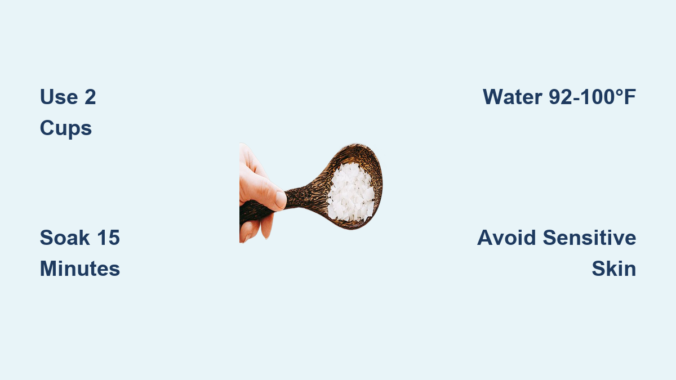
Muscle soreness can derail your day, whether it’s from an intense workout, long hours at work, or simply the physical demands of everyday life. When your muscles ache and tighten, reaching for chemical pain relievers might seem like the quickest solution—but there’s a natural alternative that’s been soothing sore bodies for centuries. An Epsom salts bath offers targeted relief without the side effects of medications, making it a go-to remedy for athletes, physical therapists, and everyday people seeking muscle pain relief. These simple crystals, scientifically known as magnesium sulfate, work with your body’s natural processes to ease tension, reduce inflammation, and accelerate recovery. This comprehensive guide reveals exactly how to harness the power of Epsom salts for muscle pain, with precise instructions on dosage, timing, and safety to ensure you get maximum benefit from every soak.
Why Magnesium Absorption Eases Muscle Tension
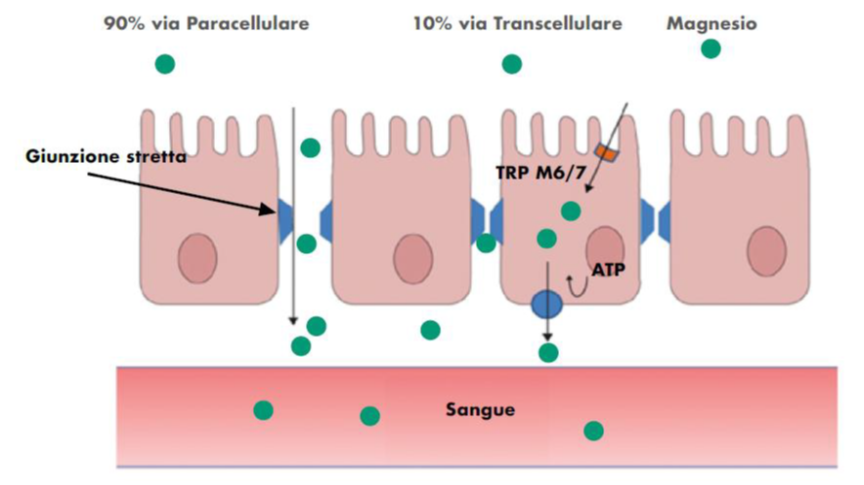
Your muscles require magnesium to function properly—this mineral regulates the contraction and relaxation cycle that keeps your body moving. When you push your muscles hard through exercise or physical work, magnesium gets depleted from your muscle tissue, leading to cramps, spasms, and that familiar post-workout soreness. An Epsom salts bath delivers magnesium directly to your muscles through transdermal absorption, bypassing your digestive system for faster relief. As you soak in warm water, your pores open and allow magnesium ions to enter your bloodstream, where they travel to tense muscles throughout your body.
The sulfate in Epsom salts plays an equally important role by supporting your body’s natural detoxification processes. Sulfate helps flush lactic acid and other metabolic waste products that accumulate in overworked muscles. Combined with the heat of the bath, which increases blood circulation to deliver oxygen while removing waste, this creates a triple-action approach to muscle recovery. Many physical therapists recommend Epsom salts baths as part of a comprehensive recovery protocol precisely because they address multiple pathways of muscle discomfort simultaneously—replenishing magnesium stores, reducing inflammation, and improving circulation all in one soothing treatment.
How Water Temperature Affects Magnesium Absorption
Water that’s too hot can actually increase inflammation and cause additional stress on your cardiovascular system, while water that’s too cool won’t open your pores sufficiently for optimal magnesium absorption. The ideal temperature range for muscle pain relief sits between 92°F and 100°F (33°C to 38°C)—warm enough to promote circulation but not so hot that you begin sweating excessively in the bath. This temperature sweet spot allows your muscles to relax completely while maximizing the skin’s ability to absorb magnesium.
Recognizing Proper Magnesium Levels in Your Body
Low magnesium often manifests as muscle cramps, eyelid twitching, or restless legs, especially at night. If you regularly experience these symptoms along with muscle soreness, your body may be signaling a magnesium deficiency that an Epsom salts bath can help address. Notice how your muscles feel 24-48 hours after a consistent bathing routine—many users report reduced frequency of nighttime cramps and faster recovery from physical exertion when using Epsom salts regularly.
Perfect Dosage Formula for Maximum Pain Relief
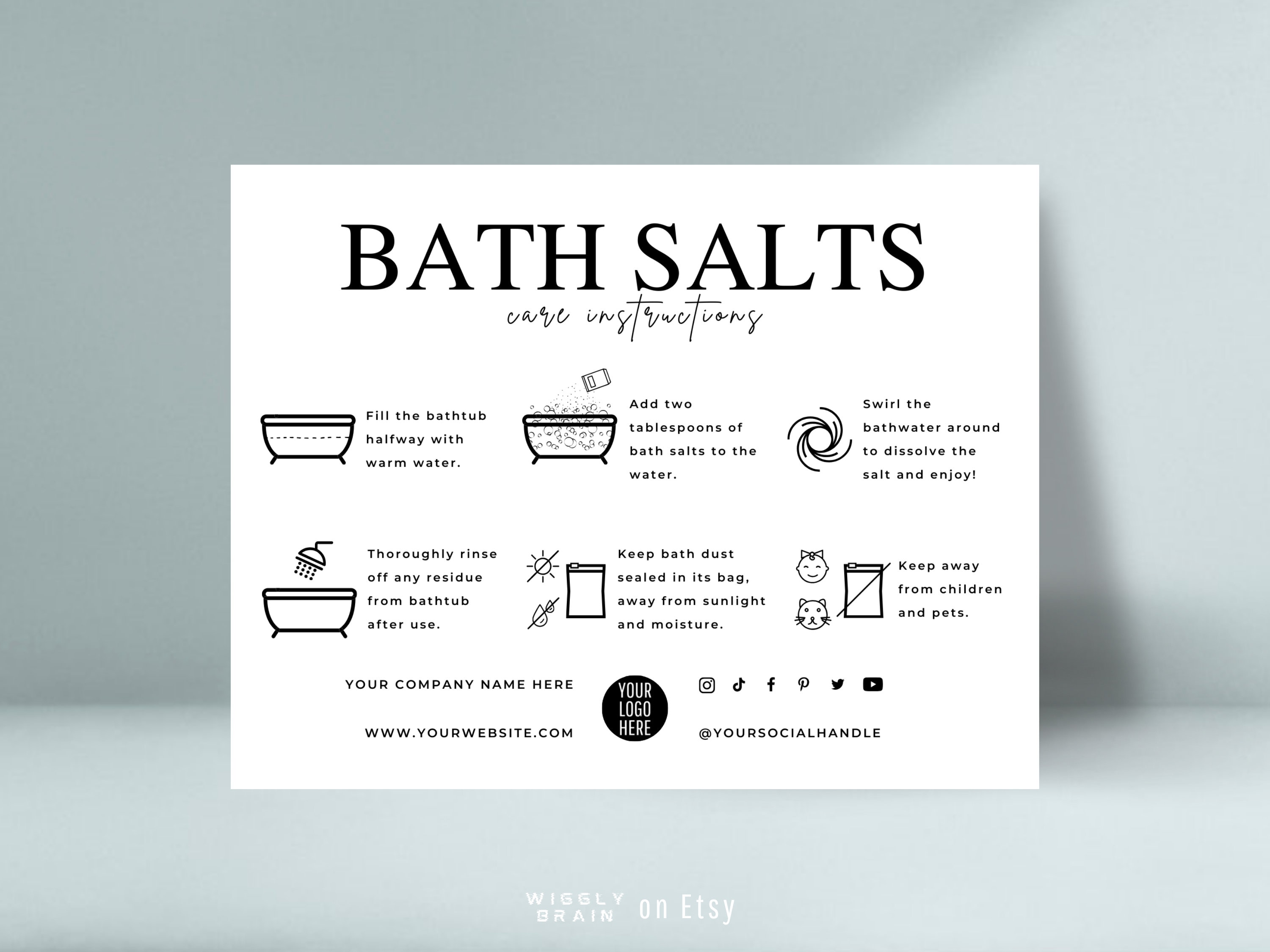
Using the correct amount of Epsom salts makes the difference between mild relief and significant pain reduction. For a standard bathtub (approximately 80 gallons when filled to typical bathing level), dissolve exactly two cups of Epsom salts in warm running water as the tub fills. This concentration creates the optimal balance for magnesium absorption without causing skin irritation or excessive dryness. Stir the water thoroughly to ensure complete dissolution—the crystals should disappear completely, leaving clear water that feels slightly silky to the touch.
If you’re using a smaller soaking tub or foot bath, scale down proportionally: one cup of Epsom salts per 20 gallons of water maintains the therapeutic ratio. For severe muscle pain following intense activity, you can increase to two and a half cups temporarily, but return to the standard two-cup measurement for regular maintenance baths. Never exceed three cups in a standard tub, as higher concentrations can draw moisture from your skin and potentially cause temporary digestive upset due to excessive magnesium absorption.
How to Test Your Bath Concentration
Dip your fingertips into the bathwater and rub them together—you should feel a subtle smoothness rather than graininess, indicating proper dissolution. If you see undissolved crystals at the bottom of the tub, the concentration may be too high, or the water might not be warm enough to fully dissolve the salts. Add more warm water and stir until all crystals disappear before entering the bath.
Special Considerations for Sensitive Skin
If you have naturally dry or sensitive skin, reduce the standard dosage by one-quarter cup and add a tablespoon of coconut oil to the bathwater. The oil creates a protective barrier that prevents the salts from drawing too much moisture from your skin while still allowing magnesium absorption. People with eczema or psoriasis should consult their dermatologist before using Epsom salts baths, as the high mineral concentration may irritate compromised skin barriers.
Timing Your Soak for Optimal Muscle Recovery
Your body begins absorbing magnesium within the first three minutes of immersion, but peak absorption occurs between the 12- and 15-minute mark. Staying in the bath beyond 20 minutes provides diminishing returns and may lead to dry skin or temporary magnesium overload symptoms like nausea or diarrhea in sensitive individuals. Set a timer for exactly 15 minutes—this precise duration maximizes therapeutic benefits while minimizing potential side effects.
For acute muscle soreness following intense exercise or physical work, take daily Epsom salts baths for the first three consecutive days. This consistent magnesium replenishment prevents soreness from developing into chronic tightness. After the initial three days, reduce frequency to two to three times per week for maintenance. Chronic pain sufferers may benefit from four baths weekly, but always listen to your body’s signals—exit the bath immediately if you feel lightheaded or uncomfortably warm.
Morning vs. Evening Bath Benefits
Morning Epsom salts baths (at the lower end of the temperature range, around 92°F) can help loosen stiff muscles before your day begins, improving flexibility for physical work or exercise. Evening baths (at the higher end, around 100°F) promote deeper relaxation and better sleep, which accelerates overnight muscle repair. Many users report significantly reduced morning stiffness when taking evening Epsom salts baths regularly.
Enhancing Your Bath for Targeted Pain Relief
Transform your standard Epsom salts bath into a targeted muscle therapy session by incorporating complementary techniques. Add 8-10 drops of pure peppermint essential oil to the running water—its cooling sensation enhances pain relief by activating cold receptors in your skin, which temporarily overrides pain signals to your brain. While soaking, perform gentle range-of-motion exercises for your sore muscles: rotate stiff shoulders, flex and point sore feet, or slowly bend sore knees. The warm, mineral-rich water makes these movements easier and more effective than stretching when muscles are cold.
Hydration dramatically improves your bath’s effectiveness. Drink 8-16 ounces of water 30 minutes before entering the tub to prime your body for optimal mineral absorption. Keep a glass of water with lemon slices nearby during your soak to replenish fluids as you perspire. Avoid eating heavy meals within 90 minutes of bathing, as digestion competes with your body’s ability to focus on absorption and recovery processes.
Creating a Full-Body Massage Effect
While soaking, use a soft washcloth to gently massage sore areas under water. The combination of warm mineral water and light friction creates a massage-like effect that penetrates deeper than surface-level rubbing. Focus on tight spots for 30-60 seconds—you’ll often feel muscles release and soften within minutes. This technique works particularly well for stubborn knots in your shoulders, calves, and feet.
Safety First: Who Should Avoid Epsom Salts Baths
Certain medical conditions require special consideration before using Epsom salts baths. People with diabetes should monitor their blood sugar carefully before and after bathing, as the warm water can temporarily affect insulin sensitivity. Those with high blood pressure or heart conditions should consult their physician first—while moderate bathing generally benefits cardiovascular health, extreme temperatures can strain compromised systems. Always use water at the lower end of the recommended temperature range (92-95°F) if you have circulatory issues.
Never use Epsom salts baths if you have open wounds, severe eczema, or active skin infections, as the high mineral concentration can irritate damaged tissue. Pregnant women should limit soak times to 10 minutes maximum in lukewarm water (not exceeding 95°F), as prolonged heat exposure can affect fetal development. If you take medications regularly, especially antibiotics, blood pressure drugs, or muscle relaxants, discuss Epsom salts bathing with your pharmacist to rule out potential interactions.
Recognizing Signs of Overexposure
Exit your bath immediately if you experience dizziness, nausea, rapid heartbeat, or excessive sweating. These symptoms indicate you’ve absorbed too much magnesium or that the water temperature is too high for your system. Sit down, drink water, and rest until symptoms subside. To prevent overexposure, never exceed 20 minutes in the bath, especially during your first few sessions when your body is adjusting to the treatment.
When Home Remedies Aren’t Enough: Seeking Professional Help
Epsom salts baths effectively manage most common muscle soreness, but certain symptoms require medical evaluation. If your muscle pain persists beyond seven days despite regular Epsom salts baths, consult a healthcare provider to rule out underlying conditions like tendonitis, stress fractures, or nerve compression. Pain accompanied by swelling, redness, fever, or unexplained weakness could indicate infection or inflammation requiring professional treatment.
Seek immediate medical attention for sudden, severe muscle pain without clear cause—especially if it follows starting a new medication or accompanies chest pain, difficulty breathing, or changes in vision. These could signal serious conditions unrelated to simple muscle soreness. If your pain results from a specific injury and you experience numbness, tingling, or inability to move the affected area normally, get professional assessment rather than relying solely on home remedies.
Regular Epsom salts baths create cumulative benefits that extend far beyond immediate pain relief. Over weeks of consistent use, many people report improved sleep quality as magnesium regulates neurotransmitters involved in rest cycles. Better sleep, in turn, accelerates muscle recovery and reduces the pain that poor sleep exacerbates. The stress-reducing ritual of a warm bath also lowers cortisol levels, breaking the cycle where stress causes muscle tension, and tension causes more stress. For most people dealing with everyday muscle soreness, an Epsom salts bath represents an accessible, affordable cornerstone of natural pain management—delivering not just temporary relief, but creating a self-care ritual that supports long-term musculoskeletal health when used properly. By following these precise guidelines for dosage, timing, and safety, you can transform a simple bath into your most effective tool for muscle pain relief.
Leave a Reply