Menstrual cramps affect millions of people every month, turning what should be a normal part of life into a painful experience that interferes with work, sleep, and daily activities. While over-the-counter medications work for many, an increasing number of people are seeking natural alternatives that work without side effects. One remedy that has stood the test of time is the Epsom salt bath for period cramps—a simple, affordable, and surprisingly effective solution that many women swear by. This guide explores the science behind this remedy, provides step-by-step instructions for getting the best results, and addresses common questions about using Epsom salt baths for menstrual comfort.
The appeal of Epsom salt baths lies in their simplicity. Unlike complicated treatments or expensive spa visits, an Epsom salt bath requires nothing more than a bathtub, warm water, and a bag of Epsom salt from any drugstore. The warmth of the water relaxes tense uterine muscles, while the magnesium sulfate in Epsom salt absorbs through the skin to support muscle function and reduce inflammation. Together, these effects can transform an uncomfortable period day into something far more manageable. Whether you experience mild discomfort or severe cramping that keeps you in bed, understanding how to properly use an Epsom salt bath could become an essential tool in your menstrual wellness routine.
Why Your Period Cramps Respond to Epsom Salt Soaks

Epsom salt works for menstrual cramps through two scientifically supported mechanisms: transdermal magnesium absorption and heat therapy. When dissolved in warm water, the magnesium sulfate in Epsom salt can penetrate your skin and enter your bloodstream. Magnesium is crucial for proper muscle function—it helps regulate muscle contractions and prevents spasms. During menstruation, your uterus contracts to shed its lining, and when magnesium levels are low, these contractions can become painfully intense. By replenishing magnesium stores through your skin, Epsom salt baths help calm these excessive uterine spasms at their source.
The heat component of the bath delivers equally important benefits. Warm water increases blood flow to your pelvic region, delivering oxygen and nutrients while flushing out pain-causing prostaglandins—the hormone-like compounds responsible for period cramps. This enhanced circulation also helps relax the smooth muscle tissue of your uterus, reducing the intensity and duration of painful contractions. The buoyancy of water further decreases pressure on your abdominal area, providing immediate physical relief from the heavy, dragging sensation many women experience during painful periods. When combined, these dual actions create a powerful natural remedy that targets cramp pain from multiple angles.
Achieving Maximum Cramp Relief with Perfect Water Temperature
Setting your bath to the optimal temperature makes a dramatic difference in cramp relief effectiveness. Water that’s too hot can actually increase inflammation and cause dizziness—counterproductive when you’re already feeling unwell. The ideal temperature range for period cramp relief falls between 98-104 degrees Fahrenheit, warm enough to promote muscle relaxation but comfortable enough to prevent overheating. To check, dip your elbow into the water as it fills; if it feels pleasantly warm but not uncomfortably hot, you’ve hit the sweet spot.
Timing your soak properly ensures you receive the full benefits without risking side effects. Most gynecologists and wellness experts recommend 15-20 minutes as the optimal duration for an Epsom salt bath targeting menstrual cramps. This timeframe allows sufficient time for magnesium absorption while giving your muscles adequate time to relax under the warmth. If you’re new to this remedy, start with 15 minutes and gradually increase to 20 if needed. Avoid exceeding 30 minutes, as prolonged hot water exposure can cause dehydration, skin dryness, or blood pressure fluctuations that might worsen your period symptoms.
Exact Epsom Salt Measurements for Serious Cramp Relief

Getting the salt quantity right is essential for effective period cramp relief. For standard bathtub sizes, use 2 cups of Epsom salt as your baseline measurement. Pour the salt under running water as your tub fills to ensure proper dissolution—undissolved crystals won’t deliver the same therapeutic benefit. If you’re experiencing particularly severe cramping, you can safely increase to 3-4 cups, but beyond this amount provides minimal additional benefit since your skin can only absorb a limited amount of magnesium at one time.
Never substitute table salt for Epsom salt when treating period cramps—sodium chloride lacks the magnesium component that makes Epsom salt effective. Before entering your bath, stir the water with your hand to confirm all salt has dissolved. If you have sensitive skin, start with 1 cup and gradually increase as your skin adjusts. People with kidney issues should consult their doctor before using Epsom salt baths, as impaired kidney function can affect magnesium processing in the body.
Transform Your Bath into a Complete Cramp-Relief Ritual
Elevate your Epsom salt bath from simple soak to comprehensive cramp treatment by incorporating strategic enhancements. Dim the bathroom lights and light a few unscented candles to create a calming environment—reducing visual stimulation helps your nervous system relax, which directly impacts pain perception. Play gentle music or nature sounds at low volume; studies show that calming audio can reduce perceived pain intensity by up to 20% during uncomfortable physical experiences.
For enhanced therapeutic effects, add 3-5 drops of essential oils known for menstrual relief. Mix lavender oil (promotes relaxation) or clary sage (traditionally used for menstrual comfort) with a tablespoon of carrier oil before adding to your bath—never apply essential oils directly to bathwater as they can cause skin irritation. Some women also incorporate a cup of baking soda alongside their Epsom salt to soften the water and prevent potential skin dryness. Keep a warm towel nearby for after your bath, as maintaining body warmth continues the cramp-relieving effects even after you’ve finished soaking.
Strategic Timing for Best Period Pain Results
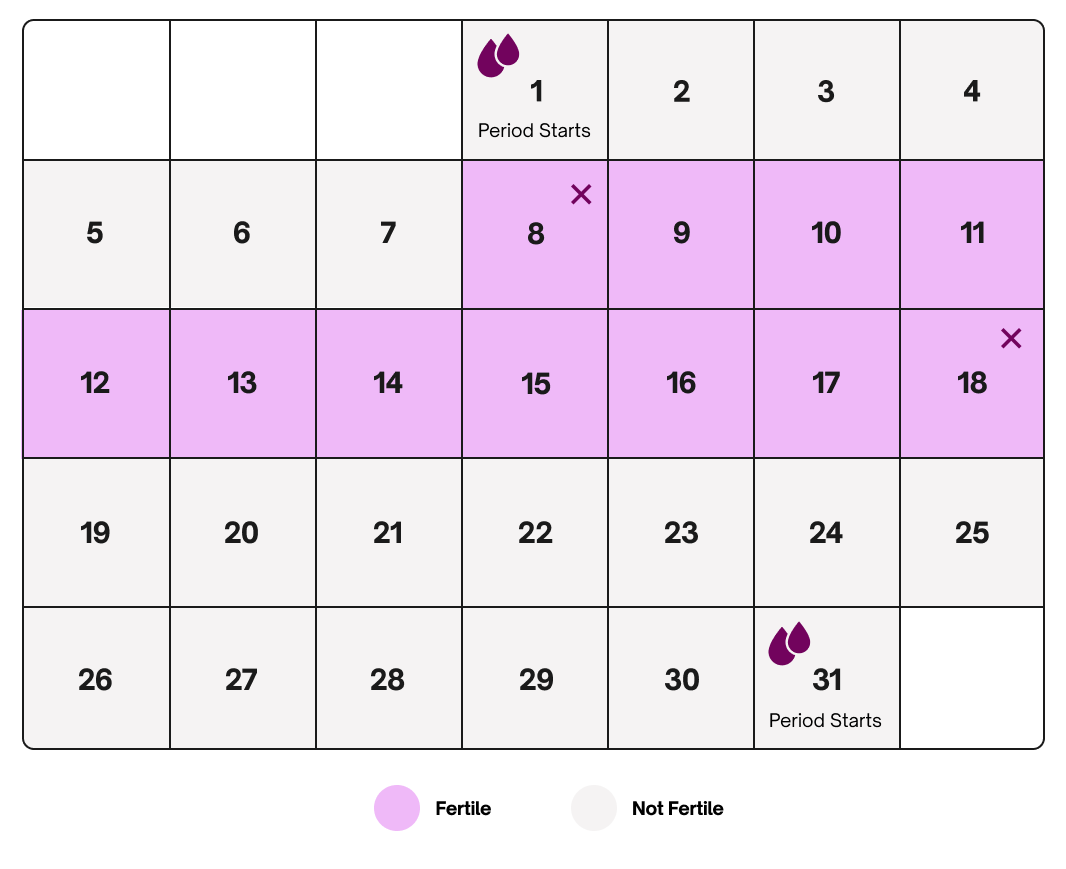
When you take your Epsom salt bath significantly impacts its effectiveness for cramp relief. Begin your soak at the very first sign of cramping rather than waiting for pain to become severe—this proactive approach prevents muscle tension from escalating. If you track your cycle and know when cramps typically start, plan your bath 30-60 minutes before expected discomfort begins. Many women find evening baths particularly beneficial, as the relaxation effects promote better sleep while continuing to combat cramp pain throughout the night.
Don’t make the common mistake of using your Epsom salt bath only as a last resort when pain becomes unbearable. Incorporating it into your routine at the earliest signs of menstrual discomfort creates a more effective pain management strategy. Consider taking two shorter baths (10-12 minutes each) on particularly painful days rather than one long soak—this maintains therapeutic magnesium levels in your system while preventing potential dehydration from extended hot water exposure.
Critical Mistakes That Reduce Epsom Salt Bath Effectiveness
Several common errors sabotage the cramp-relieving potential of Epsom salt baths. Using water that’s uncomfortably hot is the most frequent mistake—while it might feel good initially, excessively hot water can increase inflammation and cause dizziness that worsens your overall discomfort. Always test water temperature with your inner wrist or elbow, not your hand, as these areas better reflect how the water will feel against your torso.
Skipping hydration before and after your bath significantly reduces effectiveness. Warm baths cause subtle sweating that can lead to dehydration, which actually intensifies cramp pain for many women. Keep a large glass of water within reach and sip throughout your soak. Another critical error is rushing the process—five-minute baths don’t allow sufficient time for magnesium absorption or muscle relaxation. Finally, confusing Epsom salt with regular table salt wastes your effort, as sodium chloride lacks the magnesium component essential for cramp relief.
Who Should Consult a Doctor Before Trying This Remedy
While generally safe, Epsom salt baths aren’t appropriate for everyone seeking period cramp relief. People with kidney disease must consult their physician first, as impaired kidney function affects magnesium processing and could lead to dangerous buildup. Those with low blood pressure should exercise caution, as warm baths can cause additional blood pressure drops leading to dizziness or fainting. Pregnant individuals experiencing period-like cramping should always get medical clearance before using Epsom salt baths.
If you have open wounds, skin infections, or certain dermatological conditions, the magnesium in Epsom salt might cause irritation. People taking medications that interact with magnesium—such as certain antibiotics, bisphosphonates, or muscle relaxants—should discuss Epsom salt bath use with their pharmacist. Most importantly, if your menstrual cramps are so severe that they don’t respond to home remedies including Epsom salt baths, consult your healthcare provider to rule out conditions like endometriosis or fibroids that require medical intervention.
Combining Epsom Salt Baths with Your Complete Period Wellness Strategy
Maximize your cramp relief by integrating Epsom salt baths into a comprehensive menstrual wellness routine. Pair your baths with magnesium-rich foods like spinach, almonds, and avocado to support your body’s magnesium levels between soaks. Stay consistently hydrated throughout your cycle—dehydration significantly worsens cramp intensity for many women. Reduce inflammatory foods like processed sugars and refined carbohydrates in the days leading up to your period to minimize prostaglandin production.
Track your cycle to anticipate cramp-prone days and prepare accordingly. Many women find starting Epsom salt baths one to two days before expected cramping provides better prevention than waiting for pain to begin. Combine your bath routine with gentle yoga poses specifically designed for period pain, such as child’s pose or knees-to-chest position, to enhance muscle relaxation. Consider using a heating pad immediately after your bath to maintain therapeutic warmth while the magnesium continues working in your system. This multi-pronged approach creates synergistic effects that address cramp pain from multiple angles for more comprehensive relief.
Leave a Reply