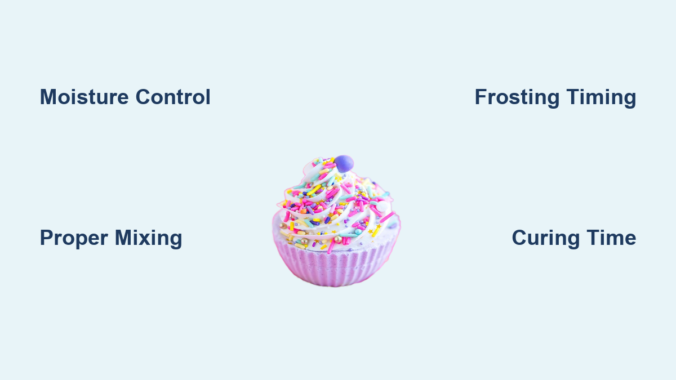
Your bathroom transforms into a spa the moment you drop a cupcake bath bomb into warm water. Unlike standard bath bombs, these edible-looking treats deliver visual drama with their frosting swirls and sprinkle toppings while releasing skin-softening oils and vibrant colors. Yet most beginners struggle with crumbling mixtures, premature fizzing, or frosting that slides right off – wasting precious ingredients. You’ve probably tossed batches that looked perfect when molded but turned to dust when touched. This guide solves those exact problems using battle-tested techniques that guarantee bakery-worthy bath cupcakes every time. Follow these steps to create professional-looking bath treats that fizz for 5+ minutes and hold their shape through packaging and gifting.
Why Your Cupcake Bath Bombs Keep Crumbling (And How to Fix It)
The #1 reason homemade bath bombs disintegrate is moisture imbalance in your dry ingredients. Baking soda and citric acid react instantly when exposed to humidity – even from your breath. When your mixture feels like damp sand but won’t hold shape, you’ve added too much liquid too fast. Stop mixing immediately and sprinkle 1 teaspoon of cornstarch over the mixture. Fold gently with a spatula until it reaches the texture of fresh snow. Never use your hands during mixing – body heat triggers premature fizzing. Work in a climate-controlled room below 50% humidity, and store ingredients in airtight containers for 24 hours before starting.
The Exact Ingredient Ratios That Prevent Cracks
Your foundation mixture must hit this precise balance:
– 2 cups baking soda (the fizz catalyst)
– 1 cup citric acid (reacts with baking soda)
– 1 cup cornstarch (moisture buffer)
– ½ cup Epsom salts (skin-soothing boost)
– 3 tablespoons shea butter (melted, binds mixture)
– 2 tablespoons coconut oil (melted, adds hardness)
Combine dry ingredients in a large bowl first. Whisk for 90 seconds to eliminate clumps – uneven distribution causes weak spots. Only then slowly drizzle in melted oils while whisking constantly. The mixture should clump when squeezed but crumble when poked. If it’s too dry, spritz with 1/4 teaspoon witch hazel using a spray bottle – never pour liquid directly.
Mold Packing Secrets for Flawless Cupcake Shapes

Standard bath bomb molds create flat discs, but cupcake shapes require strategic layering. Use silicone cupcake molds (not metal) for easy release. Fill molds ⅔ full with base mixture, then press down firmly with the back of a spoon in concentric circles from center outward. This eliminates air pockets that cause cracks. For layered color effects, add a second color only after the first layer is compacted – never mix wet colors directly. Tap the mold sharply on your counter three times to settle ingredients before adding the next layer.
Why Your Frosting Slides Off (And the 3-Ingredient Fix)
Store-bought frosting recipes fail because they lack binding agents. This formula sticks reliably:
1. Melt ¼ cup coconut oil and ¼ cup shea butter
2. Whisk in 1 cup cornstarch until smooth
3. Add 10 drops essential oil and colorant
Pipe immediately while warm using a #12 star tip. If mixture thickens, reheat for 5 seconds – never add water. Apply frosting within 2 minutes of unmolding your base bomb while it’s still slightly damp. The micro-moisture creates a “glue” effect. For sprinkles that stay put, press them into frosting with tweezers instead of shaking.
Drying Hacks That Prevent Warping and Color Bleeding

Freshly unmolded bath bombs sweat moisture for 24 hours – this is normal. Place them on a wire cooling rack (not paper towels) to allow airflow underneath. Cover loosely with parchment paper to block dust but not airflow. After 12 hours, flip them gently using a spatula. Humid climates require 48 hours drying time. Never use a dehydrator – excessive heat melts butters and activates citric acid.
The Critical Cure Test Before Gifting
After 48 hours, perform this check:
1. Press your thumb firmly on the base for 5 seconds
2. Inspect for indentation or oil seepage
3. If surface feels chalky and leaves no mark, it’s cured
Under-cured bombs leak oils during storage. Over-cured bombs lose fizz power. Ideal cure time is 72 hours in a dark, dry place. Store finished bombs in airtight containers with silica gel packets – never wrap in plastic wrap which traps moisture.
Troubleshooting Flat or Soggy Cupcake Bath Bombs

“My frosting sank into the base – why?”
This happens when you apply frosting to a fully dry base. The solution: Unmold base bombs and frost within 90 minutes while they retain 5% surface moisture. Test readiness by touching the base – if your finger comes away with fine powder, wait 15 minutes.
“Colors bled together during drying – how to prevent?”
Water-based dyes migrate as bombs dry. Switch to oil-soluble soap colorants (not food coloring). Mix colorants into melted oils before adding to dry ingredients – never add powder directly to wet mix. For multi-color layers, freeze the first layer for 10 minutes before adding the next.
“Bombs fizzed while molding – what went wrong?”
You likely added liquid too quickly or used humid ingredients. Always:
– Measure citric acid and baking soda with cold spoons straight from the fridge
– Spritz witch hazel from 12 inches away in a fine mist
– Stop mixing at the first sign of fizzing (a few bubbles is normal)
3 Showstopping Cupcake Bath Bomb Variations
Lavender Dream Cupcake
- Base: 5 drops lavender + 3 drops cedarwood essential oils
- Frosting: Purple soap colorant + dried lavender buds
- Topping: Edible silver pearls pressed into frosting
Citrus Sunrise
- Base: 4 drops sweet orange + 2 drops grapefruit essential oils
- Frosting: Yellow-to-orange ombré (mix colorants in separate bowls)
- Topping: Dried orange slices glued with corn syrup
Chocolate Mint Indulgence
- Base: 1 tablespoon cocoa powder + 6 drops peppermint oil
- Frosting: Melted dark chocolate compound (cooled to 90°F)
- Topping: Crushed candy cane sprinkles
Storage Mistakes That Kill Fizz Power
Never store bath bombs in:
– Cardboard boxes (absorbs moisture)
– Direct sunlight (melts butters)
– Bathroom cabinets (humidity spikes)
Instead, use vacuum-sealed bags with oxygen absorbers for long-term storage. Shelf life extends from 2 months to 6 months this way. Test old bombs by dropping one in warm water – if fizzing lasts under 3 minutes, discard. For immediate gifting, wrap in cellophane bags with ribbon – never use heat-sealed plastic which creates condensation.
Cupcake bath bombs succeed when you master moisture control and precise timing. Start with the 2:1 baking soda to citric acid ratio, pack molds in concentric circles, and frost bases while slightly damp. Your first successful batch will fizz for 5+ minutes with vibrant color release and hold decorations firmly. Within three attempts, you’ll develop the tactile sense to adjust mixtures on the fly – noticing when it’s “snow-like” versus “wet sand.” For extended shelf life, vacuum-seal cured bombs with oxygen absorbers. Next, experiment with scent layering: try a citrus base with vanilla frosting for a creamsicle effect. Remember that humidity is your biggest enemy – craft on dry winter days for foolproof results. With these techniques, you’ll create spa-quality treats that outperform store-bought versions at half the cost.
Leave a Reply