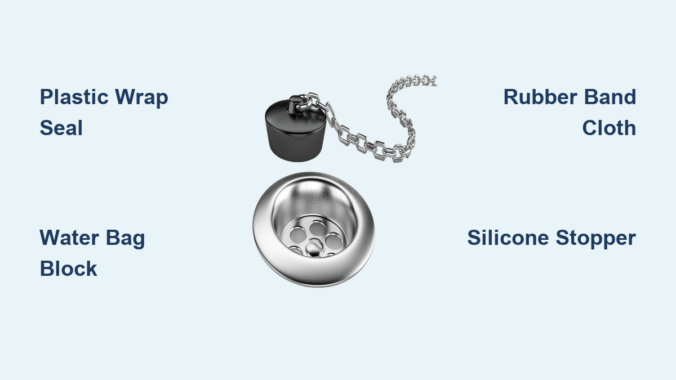
You’re ready for a relaxing bath, but your drain plug is missing, cracked, or completely non-functional. Before you cancel your self-care session, know this: you don’t need a traditional plug to fill your tub. Countless practical solutions exist for sealing a bath drain without the proper hardware, from household items you likely already have to permanent replacements that outperform factory-installed plugs. Whether you’re dealing with a mysteriously vanished stopper, inherited a plugless bath, or need a travel solution for hotel stays, this guide delivers proven methods to get your bath ready for water immediately.
The frustration of a bath that won’t hold water affects millions of homeowners annually. Traditional plugs fail through predictable deterioration—rubber stiffens and cracks, metal corrodes, mechanisms jam—but the good news is that effective alternatives exist regardless of your drain type. From the simple plastic wrap trick that works in 60 seconds to custom solutions that perfectly match your specific drain, you’ll discover methods tailored to your immediate needs and long-term requirements.
Why Your Bath Plug Failed and How to Fix It Immediately
:max_bytes(150000):strip_icc()/bathtub-drain-stopper-types-2718995_FINAL-0e6bd206cdf84844a04c5edfbff5a957.jpg)
Bath drain plugs fail for three primary reasons: material deterioration, mechanical failure, and improper fit. Rubber stoppers lose flexibility from repeated exposure to hot water and cleaning products, eventually cracking or warping beyond usability. Metal components suffer from mineral buildup that freezes lift-and-turn mechanisms or prevents proper sealing. In rental properties, plugs often disappear entirely during tenant turnover, leaving you with a functional drain but no way to use it.
Identifying your specific failure mode determines which solution will work best. If your plug is visibly cracked or brittle, replacement is necessary. If it appears intact but won’t seal, mineral deposits or internal mechanism issues are likely culprits. When no plug exists at all, you’re free to choose the most effective solution for your drain configuration without compatibility concerns.
Plastic Wrap and Duct Tape Emergency Seal
When you need water in your tub immediately, this household item method creates a reliable seal in under two minutes. Start by thoroughly drying the drain area—any moisture prevents proper adhesion. Cut a 6×6 inch square of heavy-duty plastic wrap, larger than your drain opening, and press it firmly over the drain while smoothing out air bubbles. Secure the edges with waterproof duct tape, pressing firmly along the entire perimeter to create an airtight seal that water pressure won’t breach.
Pro Tip: Double-layer the plastic wrap for baths lasting longer than 20 minutes. Test your seal by running 2 inches of water before filling completely—this reveals leaks before you’re halfway into your bath. This solution typically holds for one use but can be reinforced with additional tape if needed for multiple sessions.
Water-Filled Bag Drain Blocking Technique
A heavy-duty plastic bag filled with water creates an astonishingly effective conforming seal that works better than most improvised solutions. Select a freezer bag (its reinforced construction prevents tearing) and fill it with water, leaving 25% empty space for shaping. Seal the bag completely, then position it directly over your drain opening. Weigh it down with a heavy object like a wrapped brick, large stone, or even a full shampoo bottle.
The water inside naturally conforms to your drain’s exact shape, creating a seal that prevents escape. When draining time comes, simply lift the weighted bag straight up. This method works for multiple uses if the bag remains intact, and the water can be emptied into plants rather than wasted. Critical Warning: Never use this method with boiling water—heat could melt the plastic and cause scalding.
Rubber Band and Washcloth Improvised Plug
Bundle rubber bands around a folded washcloth to create a flexible stopper that adapts to your drain’s unique shape. Fold a standard washcloth into a 3×3 inch square, then wrap 5-7 rubber bands around it tightly. Press this bundled stopper firmly into your drain opening—the rubber bands provide the necessary compression to seal irregular drain shapes while the cloth fills gaps.
This solution shines in hotel rooms or guest bathrooms where you might not have specialized materials. The cloth absorbs water to improve sealing, but remember to dry it thoroughly after use to prevent mildew. Time Saver: Keep a dedicated “bath plug cloth” in your toiletry bag for instant access during travel.
Universal Rubber Stoppers for Permanent Reliability
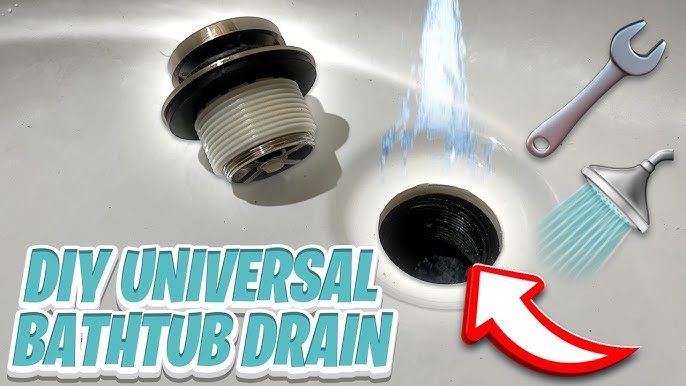
Off-the-shelf rubber stoppers represent the most practical long-term solution for plugless baths. When selecting one, prioritize silicone over standard rubber—silicone maintains flexibility across temperature extremes and resists deterioration from bath products. Measure your drain opening diameter (typically 1.5-2 inches) and choose a stopper slightly larger for optimal compression sealing.
To install, press the stopper firmly into the drain while applying slight rotational pressure. Test the seal by filling to 2 inches before continuing. Common Mistake: Using a stopper too small—water pressure will force it upward. If your initial selection leaks, try a larger size rather than forcing a smaller one.
Why Silicone Outperforms Traditional Plugs
Silicone stoppers last 3-5 times longer than rubber alternatives while providing superior sealing. Their molecular structure maintains elasticity through thousands of compression cycles, unlike rubber which hardens and cracks. Modern silicone plugs feature ergonomic handles that solve the #1 complaint about traditional plugs: difficulty removing them from tight drain openings.
Wine Cork Custom Bath Plug Solution
A quality wine bottle cork makes an unexpectedly perfect bath plug that many households already have available. Natural cork’s cellular structure expands slightly when wet, creating a tighter seal as your bath fills. Select a cork that fits snugly into your drain without excessive force—standard corks (1.5 inches diameter) work for most drains.
If too large, carefully sand the cork with fine-grit sandpaper. If too small, wrap with waterproof tape to increase diameter. Pro Tip: Soak the cork in water for 24 hours before first use—this allows full expansion and saturation, improving both immediate sealing and long-term durability. With proper care, a wine cork plug can last years.
Blocking Overflow Drain Leaks That Sabotage Your Bath
Many “plug failure” issues actually stem from the overflow drain rather than your primary stopper. When water mysteriously disappears despite what seems like a proper seal, check if it’s escaping through the overflow pathway. Remove the overflow cover plate with a screwdriver, then insert a small rubber stopper or folded cloth into the opening.
For a permanent solution, replace the standard overflow cover with one featuring an integrated rubber gasket. These retrofit plates create a seal against the overflow pipe itself, preventing water escape without requiring additional materials each bath time. Critical Note: Never completely block the overflow—it’s a critical safety feature preventing flooding if your primary drain fails.
Hotel Room Bath Plug Hacks for Travelers

Frequent travelers regularly encounter non-functional bath plugs. The plastic film from dry-cleaning bags makes an excellent temporary seal when stretched over the drain and secured with hotel notepaper as a wedge. Alternatively, wrap your washcloth in the complimentary shower cap and secure it with rubber bands from toiletry packaging.
For serious travelers, invest in a collapsible universal travel plug that folds flat for packing. These silicone devices expand to fit most drain sizes and weigh less than an ounce. Time-Saving Shortcut: Keep a small zippered pouch in your toiletry kit with a mini rubber stopper, duct tape strip, and rubber bands—solves 95% of travel bath plug emergencies.
Renter-Friendly Plug Solutions That Won’t Violate Your Lease
Tenants need solutions that require no permanent modifications. A quality silicone stopper qualifies as personal property rather than a fixture—you press it in when needed and remove it when leaving. For broken mechanical drains, surface-mounted covers with suction cups create functional seals removable without damage.
Lease-Safe Tip: Avoid adhesive solutions unless your landlord explicitly permits them. Instead, opt for weighted solutions like the water-filled bag method or keep a dedicated bath plug in your personal belongings that travels with you.
Maintaining Your Alternative Plug for Longevity
Extend your plug’s life with three simple practices: dry completely after each use (prevents mold and deterioration), clean monthly with vinegar solution (removes mineral buildup), and inspect for cracks before each use. Most rubber plugs last 1-3 years with proper care, while quality silicone versions exceed 5 years.
Critical Maintenance Step: Address white mineral deposits immediately with a 1:1 vinegar-water soak. Ignoring buildup creates microscopic channels that prevent proper sealing, turning a minor issue into a complete plug failure.
When Professional Help Becomes Necessary
Some situations require plumber intervention: persistent water escaping despite multiple sealing attempts, visible drain damage, or water stains on ceilings below your bathroom. If your drain itself is cracked or corroded, no plug solution will work until the drain assembly is replaced.
Red Flag: Gurgling sounds when draining indicate serious venting issues requiring professional diagnosis. Don’t waste time on plug solutions when underlying plumbing problems exist—schedule a plumber immediately to prevent water damage.
With these proven methods, a missing or broken bath plug transforms from a frustrating obstacle to a minor inconvenience solved in minutes. From the plastic wrap emergency fix that works immediately to custom wine cork solutions that last years, you now have reliable options for every situation. The next time your bath plug vanishes, remember: you don’t need the “right” plug to enjoy a relaxing soak—you just need the right technique.
Leave a Reply