Natural stone bathroom surfaces instantly elevate your space with timeless elegance, but they demand specialized care to maintain their beauty. Whether you have travertine shower walls, marble countertops, or slate flooring, improper cleaning can cause permanent etching, staining, or deterioration. Hard water minerals, soap scum, and mold accumulate rapidly in damp bathroom environments, leaving your once-pristine stone looking dull and discolored. This guide delivers exactly what you need to know about how to clean bath stone safely and effectively—using methods specifically designed for natural stone surfaces without causing damage.
Identify Your Bath Stone Type Before Cleaning
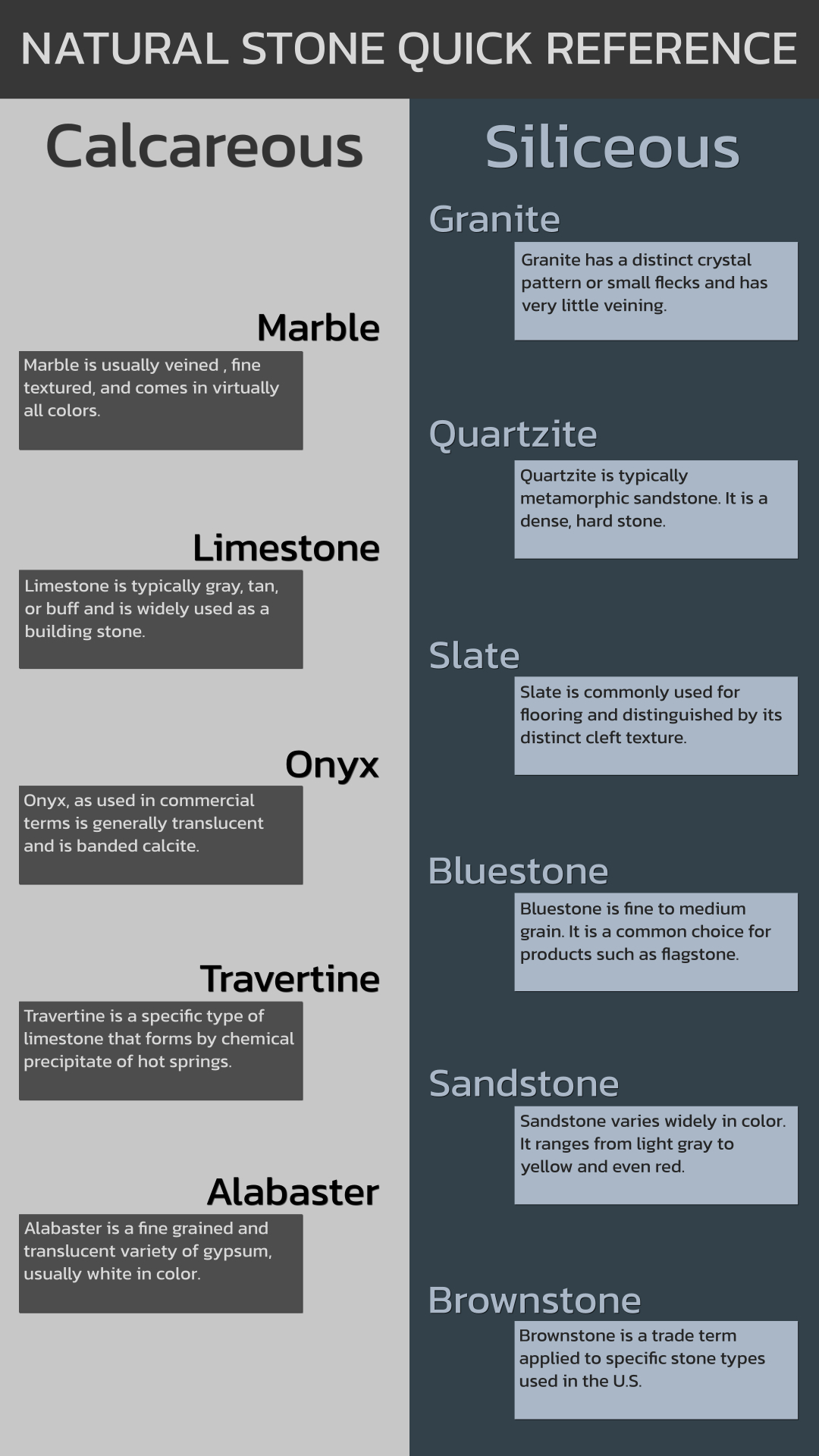
Your first critical step in learning how to clean bath stone properly is identifying the exact stone material in your bathroom. Never apply any cleaner until you’ve determined whether you’re dealing with calcareous or siliceous stone, as using the wrong product causes irreversible damage.
Marble, travertine, and limestone fall under calcareous stones—they contain calcium carbonate and react negatively to acidic substances. These stones feature distinctive veining and polished surfaces that scratch and etch easily. A simple vinegar test reveals your stone type: apply a small drop to an inconspicuous area. If it fizzes or leaves a dull spot, you have calcareous stone and must avoid all acidic cleaners.
Slate, sandstone, and quartzite are siliceous stones, more resistant to acids but still requiring pH-neutral cleaners for best results. These stones typically have textured surfaces that hide scratches better but absorb moisture readily, making proper sealing essential. Understanding your specific stone type prevents costly mistakes and guides your entire cleaning approach.
Daily Cleaning Routine for Spot-Free Bath Stone
Preventing buildup is far easier than removing it later, making daily maintenance your most powerful tool in how to clean bath stone effectively. Spend just 60 seconds after each shower to dramatically extend your stone’s pristine appearance.
Wipe all stone surfaces with a soft microfiber cloth immediately after use to prevent water droplets from evaporating and leaving mineral deposits. This simple habit eliminates 80% of hard water staining before it sets in. For textured surfaces like travertine or slate, use a dry squeegee first to remove standing water, followed by the microfiber cloth for complete drying.
For daily cleaning, use only clean water or a stone-specific pH-neutral spray. Spray lightly onto the surface (never directly onto the stone), then wipe with a microfiber cloth using gentle circular motions. Never let cleaning solutions sit on stone surfaces—immediate wiping prevents chemical reactions that cause etching. Dry completely with a second clean cloth to prevent water spots and mineral deposits.
Deep Cleaning Soap Scum from Natural Stone Surfaces

When regular maintenance isn’t enough, soap scum combines with body oils and hard water minerals to create a stubborn film that resists standard cleaning. Learning how to clean bath stone when soap scum has built up requires specialized techniques that won’t damage your investment.
For calcareous stones (marble, travertine, limestone), create a gentle cleaning paste using baking soda and water. Mix to a toothpaste-like consistency and apply to affected areas. Let it sit for 5-10 minutes to break down residue, then gently scrub with a soft-bristled brush using light pressure. Rinse thoroughly with clean water and dry immediately. Never use vinegar or acidic cleaners on these stones, as they cause immediate etching.
For siliceous stones (slate, sandstone), you can use a slightly stronger approach. Mix 1 part hydrogen peroxide with 3 parts water in a spray bottle. Apply to soap-scummed areas, let sit for 5 minutes, then gently scrub with a soft brush. Rinse completely and dry. This method effectively removes organic buildup without damaging the stone’s surface.
Removing Hard Water Stains Without Damaging Stone
Hard water leaves unsightly white deposits that make your bath stone look neglected, but improper removal techniques cause more harm than the stains themselves. Knowing how to clean bath stone affected by hard water requires understanding whether you’re dealing with surface deposits or actual etching.
For surface deposits on sealed stone, use a commercial stone-safe lime scale remover following package directions precisely. Apply with a soft cloth, let sit for the recommended time (typically 2-5 minutes), then gently wipe away. Never use vinegar on marble, travertine, or limestone—even diluted vinegar causes etching on these stones.
For siliceous stones only, a vinegar solution (equal parts white vinegar and water) can remove stubborn deposits. Apply, wait 2-3 minutes, then gently wipe with a soft cloth. Rinse thoroughly with clean water and dry immediately. If deposits persist after two applications, stop—repeated applications risk damaging the stone’s sealant.
Eliminating Mold and Mildew from Porous Stone Safely
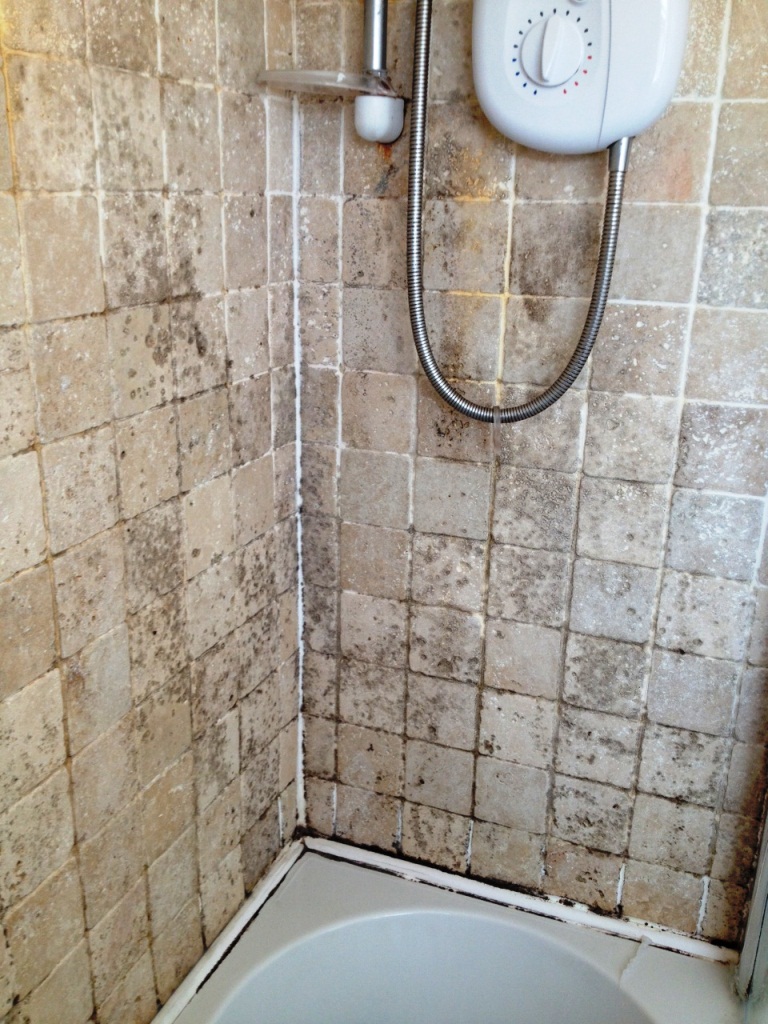
Mold growth in stone bathrooms indicates moisture problems that require immediate attention. Learning how to clean bath stone affected by mold requires effective treatment that kills spores without damaging the porous material.
For light mold on sealed stone, mix 1 part hydrogen peroxide with 2 parts water. Spray generously on affected areas, let sit for 10 minutes (don’t let it dry), then gently scrub with a soft brush. Rinse thoroughly and dry completely. For textured surfaces like travertine, use an old toothbrush to reach into pores without scratching.
Never use bleach on natural stone—it discolors the surface, damages sealants, and releases dangerous fumes in enclosed bathroom spaces. For severe mold infestations that penetrate deep into the stone, consult a professional. Attempting aggressive cleaning can push mold deeper into the material, worsening the problem.
Proper Sealing Techniques After Cleaning Bath Stone
Cleaning alone isn’t enough—sealing protects your investment and makes future cleaning easier. Most natural stone bathrooms need resealing annually, though high-moisture areas may require twice-yearly applications.
Test if your stone needs sealing by sprinkling water on the surface. If it beads up, your seal remains effective. If water soaks in within 5-10 minutes, it’s time to reseal. Always clean and dry stone completely before sealing—applying sealer over dirt traps contaminants beneath the protective layer.
Use a penetrating sealer specifically designed for your stone type. Apply with a soft cloth or foam applicator, working in small sections. Allow penetration time as specified (typically 5-15 minutes), then wipe away excess with a clean cloth. Let cure completely (24-72 hours) before exposing to moisture. Never apply multiple coats in one session—excess sealer creates a hazy film that requires professional removal.
Critical Mistakes to Avoid When Cleaning Bath Stone
Even well-intentioned cleaning can destroy natural stone surfaces if you use improper techniques. Knowing what not to do is as important as knowing how to clean bath stone correctly.
Never use these common household items on natural stone:
– Vinegar, lemon juice, or other acidic cleaners on marble, travertine, or limestone
– Bleach or ammonia-based cleaners (they discolor stone and degrade sealants)
– Abrasive cleaners or scrubbing pads (they create micro-scratches that trap dirt)
– Steam cleaners (they force moisture deep into stone, promoting mold growth)
Never let spills sit on stone surfaces—blot immediately with a clean cloth. Wiping spreads the spill and pushes liquids deeper into porous materials. For oil-based spills, apply baking soda immediately to absorb before cleaning.
Preventative Maintenance for Long-Lasting Stone Beauty
The most effective approach to how to clean bath stone involves preventing problems before they start. Implement these simple habits to reduce deep cleaning frequency and extend your stone’s lifespan.
Place stone-safe mats in high-moisture areas like shower entrances and tub surrounds. These catch water before it reaches your stone flooring and can be easily washed. Choose mats with rubber backing that won’t scratch surfaces.
Install and use a bathroom exhaust fan during and for 20 minutes after showers to reduce humidity. Maintain bathroom humidity below 60% with a dehumidifier if necessary—this prevents mold growth and mineral deposits.
Address minor issues immediately. A small chip in the sealant becomes a major staining problem if ignored. Check your stone monthly for developing issues that require attention before they escalate.
When Professional Cleaning Becomes Necessary
Some situations require expert intervention to avoid causing further damage. Attempting advanced cleaning on severely damaged stone often worsens the problem.
Call a professional stone restoration specialist when:
– You see deep etching you can feel with your fingernail
– Stains persist after three proper cleaning attempts
– Mold appears to be growing within the stone material
– The stone surface feels gritty or rough to the touch
– Sealer has created a hazy film that won’t buff out
Professionals have specialized equipment including diamond polishing compounds, industrial poultices, and commercial-grade sealers that outperform consumer products. They can assess whether restoration or replacement offers better value for your specific situation.
Regular, gentle cleaning combined with immediate attention to spills and moisture keeps bath stone surfaces looking pristine while preventing the damage that leads to costly restoration. By understanding your specific stone type, using appropriate cleaning products, and maintaining consistent care routines, you preserve the natural beauty and durability that make bath stone a timeless choice for bathroom design. Implement these methods consistently, and your stone surfaces will maintain their elegance for decades with minimal intensive cleaning required.
Leave a Reply