There’s nothing quite like sinking into your Jacuzzi whirlpool bath after a long day—the warm water enveloping your body as powerful jets target tired muscles. Yet many new owners hesitate to use their investment properly, worried they’ll damage the sophisticated system or miss out on key features. Knowing exactly how to use jacuzzi whirlpool bath equipment transforms uncertainty into confidence, ensuring you maximize therapeutic benefits while protecting your investment. This guide delivers precise, model-specific instructions for operating any Jacuzzi system, from basic Swirlpool models to advanced J-Shiatsu configurations.
Jacuzzi offers multiple bath system categories, each with unique operation methods. The Swirlpool line provides classic hydrotherapy with reliable jet performance, while the J-Quiet series incorporates noise-reducing pump technology. The J-Shiatsu systems simulate traditional massage techniques with adjustable intensity settings, and Lounge models feature ergonomic reclined seating for full-body immersion. Regardless of your model, these comprehensive instructions will help you master how to use jacuzzi whirlpool bath features correctly for optimal relaxation and longevity.
Prepare Your Bath for Proper Operation
Before filling your Jacuzzi, take 2 minutes to prepare for a safe, effective session. Remove all bath mats, loofahs, or other items stored in the tub, then inspect the surface for debris that could clog the system. Check that your drain stopper lifts and lowers smoothly—this prevents water from becoming trapped after your session. If your model has removable intake screens or filters (common in Aura and Aquasoul series), verify they’re clean and properly seated; clogged screens reduce jet performance by up to 70%.
Critical safety check: Examine your control interface to ensure all buttons respond properly. Pneumatic systems require firm presses, while electronic panels need light touches. If your bath has been idle for days, especially in cooler weather, don’t panic if jets make unusual sounds during initial activation—this typically resolves within 60 seconds as the pump primes. Gathering towels and bath products before filling lets you focus entirely on relaxation once the water reaches your ideal temperature.
Fill to the Correct Water Level and Temperature
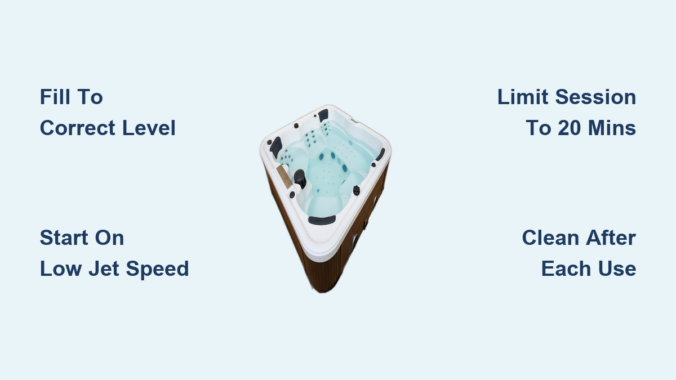
Filling your Jacuzzi properly establishes the foundation for an effective hydrotherapy session. Most models perform best when filled to a level that fully covers the highest jet openings while leaving 2-3 inches of clearance at the top rim. Overfilling stresses seals and creates messy overflow, while underfilling causes the pump to draw air instead of water—potentially damaging the system over time. Consult your specific model manual, as water level requirements vary between collections like the Sharp series (compact models) versus the larger Aquasoul Double.
Water temperature requires careful attention for safe, comfortable use. Jacuzzi recommends 98-104°F (37-40°C) for most users, but your ideal temperature depends on personal preference and session duration. Water above 104°F carries risks of dizziness and cardiovascular stress, particularly during longer sessions. Test temperature with your elbow or wrist before entering—these areas sense heat more accurately than hands. If your model includes built-in heating (like many Skylounge® series), you can maintain temperature throughout extended use; otherwise, start slightly cooler than your target since water cools during use.
Activate the Jet System Without Damaging Components
Starting your Jacuzzi’s jet system correctly protects the pump motor and ensures years of reliable operation. Always begin by activating the pump on its lowest setting, allowing water to flow through the system before increasing intensity. Most models offer multiple speed settings controlled through pneumatic buttons, electronic panels, or rotary dials depending on your configuration. Starting low gives the pump time to prime fully and lets you assess jet action before committing to full intensity.
Once the pump runs smoothly, gradually increase jet intensity to your preferred level. Rotate individual jet faces or use adjustable nozzles to direct massaging streams where you need them most. If you own a J-Shiatsu system, explore the pre-programmed massage cycles that simulate professional techniques. Many users find starting with moderate intensity and gradually increasing provides the most satisfying experience as muscles relax and become more receptive to deeper pressure over time. Never jump straight to maximum intensity—this strains both your muscles and the pump system.
Target Specific Muscle Groups with Jet Adjustments
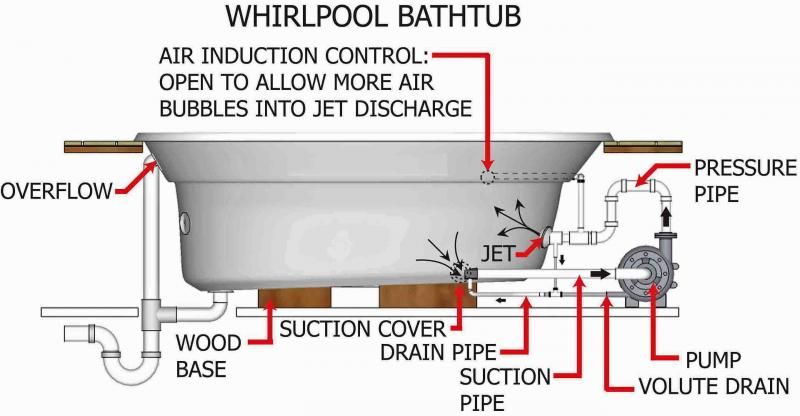
Mastering jet adjustment transforms your Jacuzzi from a simple warm bath into targeted therapy. Back jets positioned along tub walls deliver the most intense massage, ideal for relieving shoulder, lower back, and hip tension after physical activity. Foot and calf jets provide gentler stimulation that promotes circulation without overwhelming sensitive muscles, perfect for evening relaxation. Experiment with intensity settings to find your comfort zone—more intense doesn’t always mean better, as extended high-intensity exposure can cause muscle soreness rather than relief.
Many Jacuzzi models allow independent control of different jet banks, letting you activate only the jets you need while conserving energy and reducing noise. The J-Quiet series excels here with vibration-minimizing technology. If your model includes air injection systems alongside water jets (common in Design Series models), these create a gentler, effervescent sensation that provides light stimulation without deep pressure. For optimal results, spend 5 minutes on each major muscle group during your session.
Limit Session Duration for Maximum Therapeutic Benefit
Proper session timing ensures therapeutic benefits without health complications from extended hot water exposure. Standard hydrotherapy sessions of 15-30 minutes provide meaningful muscle relief while keeping core body temperature safe. Higher water temperatures require shorter sessions, as your body absorbs heat more rapidly. Similarly, higher jet intensities increase blood circulation and metabolic activity, generating additional body heat during your session.
Listen to your body’s signals throughout your bath. Dizziness, lightheadedness, or nausea indicate you’ve stayed too long or the temperature exceeds your tolerance. Pregnant individuals, those with cardiovascular conditions, and diabetics should consult healthcare providers about appropriate session limits before using their whirlpool bath. Never consume alcohol before or during hydrotherapy sessions—this significantly increases heat-related risks. For optimal results, most users find 20-minute sessions at moderate temperatures provide substantial relief without requiring constant monitoring of warning signs.
Implement Essential Safety Protocols During Use

Jacuzzi whirlpool baths incorporate multiple safety features, but understanding these and additional precautions ensures your experience remains safe. GFCI (Ground Fault Circuit Interrupter) protection prevents shock hazards by cutting power if electrical leakage occurs—test this monthly to verify functionality. Never bypass GFCI protection, and contact a qualified electrician immediately if your system trips during normal operation.
Water temperature requires ongoing attention throughout each session. Test again before adding hot water, and consider lowering jet intensity when adding hot water to avoid dangerous splashing. Enter and exit your Jacuzzi carefully—wet surfaces create serious slip hazards. Many models include textured surfaces in critical areas, but adding an external bath mat provides additional protection. Children should never use whirlpool baths without direct adult supervision, and elderly users may benefit from handrails when entering and exiting.
Drain and Clean Immediately After Each Session
Proper post-use maintenance protects your investment and ensures hygiene for every session. Begin by running the jets with clear water for 2-3 minutes after each use, which flushes residual bath products, oils, and debris from internal plumbing. Some models include automatic purge cycles that activate when draining—these draw air through the system to clear remaining water from pipes and prevent stagnation. If your model lacks this feature, manually run pumps briefly after draining to remove standing water.
After purging, drain completely and wipe all surfaces dry with a soft cloth to prevent water spots. Use non-abrasive cleaners designed for acrylic or your bath’s specific surface material—avoid harsh chemicals that damage seals and finishes. Pay special attention to jet faces and control interfaces where residue accumulates most readily. For models with removable jet faces (like many Aura series), periodic manual cleaning provides more thorough maintenance than surface cleaning alone.
Follow Model-Specific Maintenance Schedules
Beyond daily cleaning, regular maintenance keeps your Jacuzzi operating at peak performance. Weekly maintenance includes surface cleaning with appropriate products, inspection of visible jets, and running filtration systems if equipped. Monthly deep cleaning targets internal plumbing using manufacturer-recommended solutions that dissolve buildup without damaging components. Never use standard household cleaners in jet cleaning—they deteriorate rubber seals and leave harmful residues.
Quarterly maintenance addresses components that wear over time. Inspect all seals and gaskets for cracking or drying, replacing damaged components before they fail. Check that all control functions respond properly and that pump operation sounds smooth. Annual professional inspection provides comprehensive evaluation of internal plumbing, electrical safety, and overall system condition. Many Jacuzzi owners schedule annual service in early autumn to prepare for heavy winter use when relaxation needs peak.
Troubleshoot Common Operational Issues
Understanding common problems saves time and frustration when issues arise. Reduced jet performance typically indicates clogged intake screens, insufficient water level, or air in the pump system. Check that water covers all jet openings and that intake screens are clean. If jets sputter, the pump likely contains air—activate on low speed for several minutes to purge air before increasing intensity.
Unusual pump sounds require investigation. Grinding noises often indicate debris in the impeller chamber—remove the intake screen and check for obstructions. Whining sounds may signal bearing wear, suggesting professional service is needed. Temperature issues often relate to settings or heater malfunctions—verify settings are correct and that the heater indicator shows active heating. Control interface problems typically stem from electrical issues or moisture—check power supply and ensure controls are clean and dry. Persistent problems require professional diagnosis.
Leave a Reply