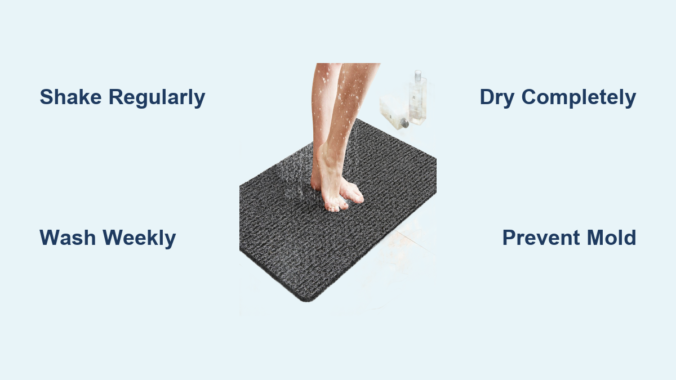
Loofah bath mats add comfort and style to any bathroom, but they also absorb moisture and can become breeding grounds for mold, mildew, and bacteria if not properly maintained. Learning how to clean loofah bath mat properly not only keeps your bathroom looking fresh but also prevents unpleasant odors and extends the life of your mat. Whether your loofah bath mat is made from natural dried loofah gourd, synthetic materials, or a combination of fabrics, regular cleaning is essential for maintaining hygiene and appearance.
This comprehensive guide covers everything you need to know about cleaning and maintaining your loofah bath mat, from quick weekly refreshes to deep cleaning methods that tackle stubborn stains and odors. You’ll find step-by-step instructions for different mat types, expert tips for preventing mold growth, and guidance on when it’s time to replace your mat entirely.
Gather Your Essential Cleaning Supplies
Before you begin cleaning your loofah bath mat, having the right supplies on hand makes the process faster and more effective. Most cleaning methods require items you likely already have in your home, though a few specialized products can improve results for heavily soiled mats.
For routine cleaning, you’ll need mild detergent or dish soap, white vinegar, baking soda, and a soft-bristled brush. These basic supplies handle most everyday cleaning needs without damaging delicate loofah fibers. A washing machine is convenient for machine-washable mats, while a bathtub or large sink works well for hand washing larger or more delicate pieces.
Consider adding oxygen bleach powder for tougher stains, a spray bottle for easy application of cleaning solutions, rubber gloves to protect your hands, and old towels for quick drying. Having these items ready ensures you can tackle any cleaning challenge without interrupting your process to search for supplies.
Execute a Weekly Surface Refresh
Regular weekly maintenance prevents the buildup of soap scum, body oils, and moisture that lead to odor and mold. A quick refresh takes only a few minutes but significantly extends the time between deep cleans and keeps your loofah bath mat looking and smelling fresh.
Start by shaking your mat outdoors to remove loose debris, hair, and surface particles. Take the mat outside and give it several vigorous shakes, paying attention to corners and edges where debris collects. This simple step eliminates accumulated dust and prevents it from working deeper into the fibers during washing.
Mix a solution of warm water and mild dish soap in a spray bottle or bucket. Lightly mist or sponge the solution over the entire surface of the mat, focusing on areas that contact bare feet most frequently. Use a soft-bristled brush to work the soap into the fibers in gentle circular motions, paying extra attention to any visible spots or discoloration. Rinse thoroughly with clean water, squeezing out excess moisture without wringing or twisting the mat.
Allow the mat to air dry completely before placing it back on the bathroom floor. Hanging it over a shower rod or towel rack with good air circulation speeds drying and prevents the moisture buildup that causes mold. Position a fan nearby to accelerate the drying process, especially in humid environments.
Why Air Circulation Matters After Cleaning
Proper air circulation is crucial after cleaning your loofah bath mat because trapped moisture creates the perfect environment for mold and bacteria growth. Even if the surface feels dry, moisture can remain deep within the fibers. Hanging your mat vertically rather than laying it flat exposes more surface area to air, significantly reducing drying time. In bathrooms with poor ventilation, consider using a small fan specifically for drying bath mats between uses.
Deep Clean Machine-Washable Loofah Mats

Machine washing provides the most thorough cleaning for loofah bath mats that can withstand the agitation and water exposure. This method works well for synthetic loofah mats, cotton-backed loofahs, and most machine-washable designs, though you should always check the manufacturer’s care label first.
Prepare your mat for washing by inspecting it for any loose threads or damaged areas that could worsen during the machine cycle. Shake out any debris and spot-treat visible stains with a mixture of baking soda and water applied directly to the affected areas. Allow the paste to sit for fifteen minutes before washing to give it time to penetrate and lift the stain.
Set your washing machine to a gentle or delicate cycle with cool to lukewarm water. Hot water can shrink natural loofah fibers and damage adhesive backing on some mats. Add a mild detergent along with one cup of white vinegar, which helps break down soap scum and eliminates odors without leaving chemical residue.
Avoid fabric softener, as it can leave a residue that reduces the mat’s absorbency and creates a slippery surface. Once the cycle completes, remove the mat promptly to prevent mildew growth in the damp environment of the washing machine. Never mix loofah mats with heavily soiled items like workout clothes, as the additional dirt and oils will transfer to your bath mat.
Hand Wash Delicate Natural Loofah Mats
Natural loofah bath mats made from dried loofah gourds, delicate woven designs, or mats with non-slip backings that aren’t machine-safe require gentle hand washing. This method gives you more control over the cleaning process and allows you to protect vulnerable areas while still achieving a thorough clean.
Fill a bathtub or large sink with lukewarm water and add a generous amount of mild detergent or specialized gentle cleaner. Submerge the mat completely and allow it to soak for fifteen to thirty minutes, which loosens embedded dirt and makes scrubbing more effective. For particularly dirty mats, add a half-cup of baking soda to the water for enhanced cleaning power.
After soaking, agitate the mat gently with your hands, working the water through the fibers to release dirt and buildup. Use a soft-bristled brush to scrub the surface, focusing on high-traffic areas and any spots showing discoloration. Pay attention to the edges and corners where dirt accumulates, but avoid scrubbing too vigorously on delicate natural loofah sections that could fray or break.
Rinse the mat thoroughly with clean water, squeezing gently to remove excess moisture without twisting or wringing. Rinse multiple times until the water runs completely clear, indicating all soap residue has been removed. Residual soap attracts dirt and can cause the mat to feel stiff or slippery when dry.
Remove Mold and Mildew Stains Effectively

Mold and mildew growth is the most common problem with loofah bath mats, particularly in humid bathrooms with poor ventilation. Addressing this issue promptly prevents health concerns and stops the spread of spores to other bathroom surfaces.
For mild cases of mold or mildew, create a solution of one part white vinegar to three parts water in a spray bottle. Liberally spray the affected areas, ensuring the solution penetrates the fibers where mold roots embed themselves. Allow the vinegar solution to sit for at least thirty minutes, as the acetic acid needs time to break down the mold structure.
After the vinegar treatment, make a paste of baking soda and water and apply it to any remaining discoloration. Scrub gently with a soft brush, then rinse thoroughly with clean water. For stubborn mold that penetrates deep into natural loofah fibers, you may need to repeat this process several times.
When Mold Means Replacement Time
Severe mold infestations that have penetrated deep into the mat structure may be impossible to fully eliminate through cleaning alone. If the mold returns quickly after cleaning or you notice a persistent musty odor that doesn’t disappear with treatment, the mat likely needs replacement. Mold in bathroom textiles poses health risks, particularly for those with respiratory conditions or allergies.
Dry Your Mat Properly to Prevent Future Problems

Proper drying is perhaps the single most important factor in maintaining a clean, odor-free loofah bath mat. The moisture that makes bath mats functional also creates the environment where mold, mildew, and bacteria thrive.
After cleaning, squeeze the mat gently to remove excess water without twisting or wringing, which damages fibers and alters shape. Lay the mat flat on a clean, dry towel and roll both together to press out additional moisture. Repeat with fresh towels as needed until the mat feels damp rather than wet.
Air drying in a well-ventilated area produces the best results for maintaining mat texture and preventing damage. Hang the mat over a shower rod, towel rack, or clothesline, ensuring good air circulation on all sides. If hanging vertically, periodically flip or rotate the mat to ensure even drying.
For faster drying, position a fan to circulate air across the mat or place it in a room with a dehumidifier. The goal is completely dry fibers throughout the mat, not just surface dryness that masks lingering dampness inside.
Maintain a Regular Care Schedule
Consistent maintenance prevents the heavy buildup that makes cleaning difficult and extends the life of your loofah bath mat significantly. A simple weekly routine takes minutes but prevents the mold, odor, and staining problems that lead to premature replacement.
Establish a weekly schedule that includes shaking out the mat, quick spot cleaning of any visible marks, and ensuring complete drying after each use. Bath mats that see daily use benefit from a light misting with a diluted vinegar solution every few days, which prevents soap scum accumulation and neutralizes odor-causing bacteria before it establishes itself.
Monthly deep cleaning should become a habit regardless of visible soiling. Machine wash machine-safe mats or perform thorough hand washing for delicate pieces. Inspect the mat during each cleaning for signs of wear, thinning fibers, or damage that might indicate it’s time for replacement.
Keeping your loofah bath mat clean requires consistent effort but doesn’t need to consume significant time or energy. By establishing simple weekly routines, addressing problems promptly, and ensuring thorough drying after every use, you maintain a hygienic bathroom surface that looks and smells fresh. When cleaning becomes ineffective despite your best efforts, replacement offers a fresh start with an opportunity to select a mat design that better suits your bathroom’s conditions and your maintenance preferences. Remember that proper drying is your most powerful tool against mold and bacteria, so prioritize airflow and ventilation in your bathroom maintenance strategy.
Leave a Reply