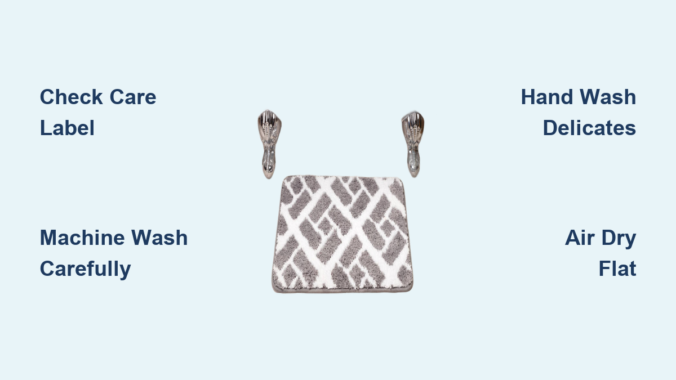
Your bath rug absorbs daily moisture, traps dirt, and can harbor bacteria if neglected—but most homeowners don’t know how to clean bath rugs properly. These soft floor coverings face constant exposure to water, soap scum, and foot traffic, making them breeding grounds for mold and odors when improperly maintained. Whether you have a plush cotton mat or memory foam comfort rug, understanding how to clean bath rugs correctly extends their lifespan while keeping your bathroom hygienic. This guide delivers specific, actionable methods for every rug type, ensuring your bath rugs stay fresh, absorbent, and odor-free without damaging delicate fibers or rubber backing.
Check Your Rug’s Care Label Before Washing
Skip this critical step and you risk shrinking, fading, or ruining your bath rug permanently. Always locate and follow the manufacturer’s care instructions printed on the rug’s label—this single action prevents 90% of bath rug cleaning disasters. Cotton rugs typically tolerate machine washing, while memory foam and chenille varieties often require hand washing only. For rugs with rubber backing, verify whether the backing can withstand water exposure or needs special protection during cleaning. If your rug lacks a care label, assume it requires gentle handling and test any cleaning method on a small, inconspicuous area first. Sort your bath rugs by material type before washing—mixing cotton with microfiber creates lint transfer and uneven cleaning results. Never assume all bath rugs clean the same way; treating a bamboo rug like cotton causes irreversible fiber separation and shrinkage.
Identify Your Bath Rug Material Type
Knowing exactly what you’re working with determines your entire cleaning approach. Press your fingers into the rug—if it quickly regains shape, you likely have memory foam requiring hand washing only. Shine a light across the surface; microfiber rugs create a distinctive sheen and feel almost silky to the touch. Cotton rugs feel thick and plush with visible looped fibers, while chenille features twisted yarns creating a ribbed texture. Bamboo rugs have a slightly rougher, more natural feel with visible grain patterns in the fibers. For rubber-backed rugs, flip the rug over to confirm backing material—if it’s smooth and black, use cold water only to prevent melting. Natural fiber rugs like seagrass or jute feel stiff and coarse with visible plant fibers—these should never be fully submerged in water.
Machine Wash Bath Rugs Without Damage
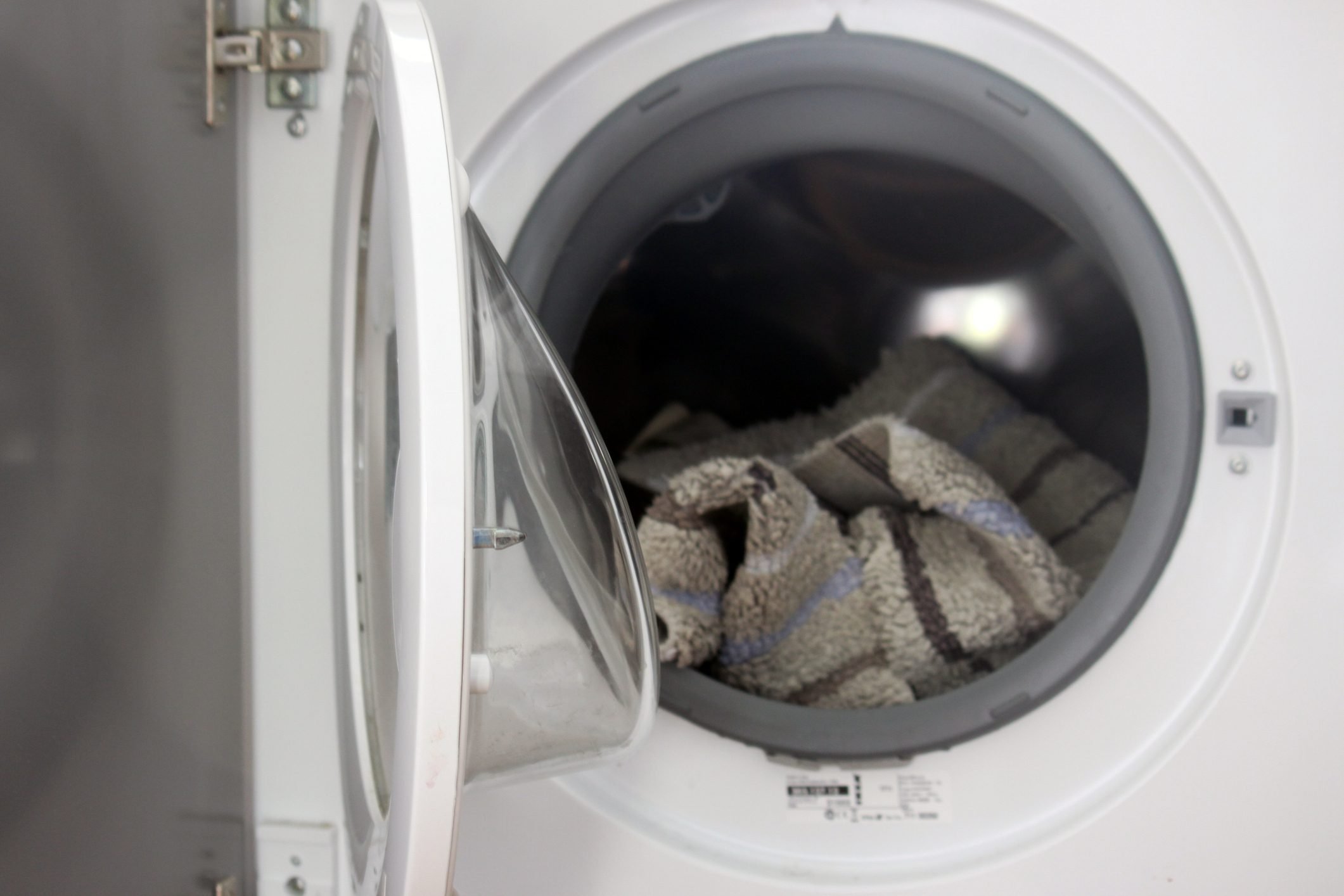
Most cotton and synthetic bath rugs clean safely in your washing machine when you follow these precise steps. Use cold water on the gentle cycle—hot water shrinks cotton and melts microfiber coatings within minutes. Add just one tablespoon of mild detergent; excess soap leaves residue that attracts dirt and creates stiffness. For rubber-backed rugs, place them inside a pillowcase or mesh laundry bag to protect both the backing and your machine drum. Never wash bath rugs with towels or heavy fabrics—they create friction that damages rug fibers and causes pilling. Balance the load by adding one or two small towels if washing a single bath rug to prevent machine imbalance. Stop the cycle halfway through to manually redistribute the rug, ensuring even cleaning and preventing bunching that creates dry spots.
When to Avoid Machine Washing
Certain bath rugs absolutely cannot withstand machine agitation. Memory foam bath rugs lose cushioning permanently when tumbled—their structure collapses within one wash cycle. Chenille rugs develop severe matting when machine washed, destroying their signature texture. Bamboo rugs experience fiber separation when subjected to machine motion, causing premature wear. Natural fiber rugs like jute or seagrass swell and lose shape when fully submerged in water. If your rug shows any backing deterioration—cracking, peeling, or bubbling—machine washing will accelerate damage and potentially stain your floors. Antique or high-value bath rugs with intricate designs require professional cleaning to preserve their condition. When in doubt, hand washing always provides a safer alternative that maintains rug integrity longer.
Hand Wash Delicate Bath Rugs Properly
Fill your bathtub with lukewarm water and add one teaspoon of mild detergent to create a gentle cleaning solution for delicate rugs. Submerge your bath rug completely and gently press it down with your palms to saturate all fibers—avoid vigorous scrubbing that damages delicate materials. For stubborn dirt, use a soft-bristled toothbrush to gently work cleaning solution into high-traffic areas near the sink or toilet. Work from the center outward to prevent stretching the rug’s shape during cleaning. Rinse thoroughly by draining the tub and refilling with clean water, repeating until water runs clear—this removes all detergent residue that attracts dirt. Never wring or twist delicate rugs; instead, press water out between clean towels to remove excess moisture without damaging fibers.
Dry Bath Rugs to Prevent Mold Growth
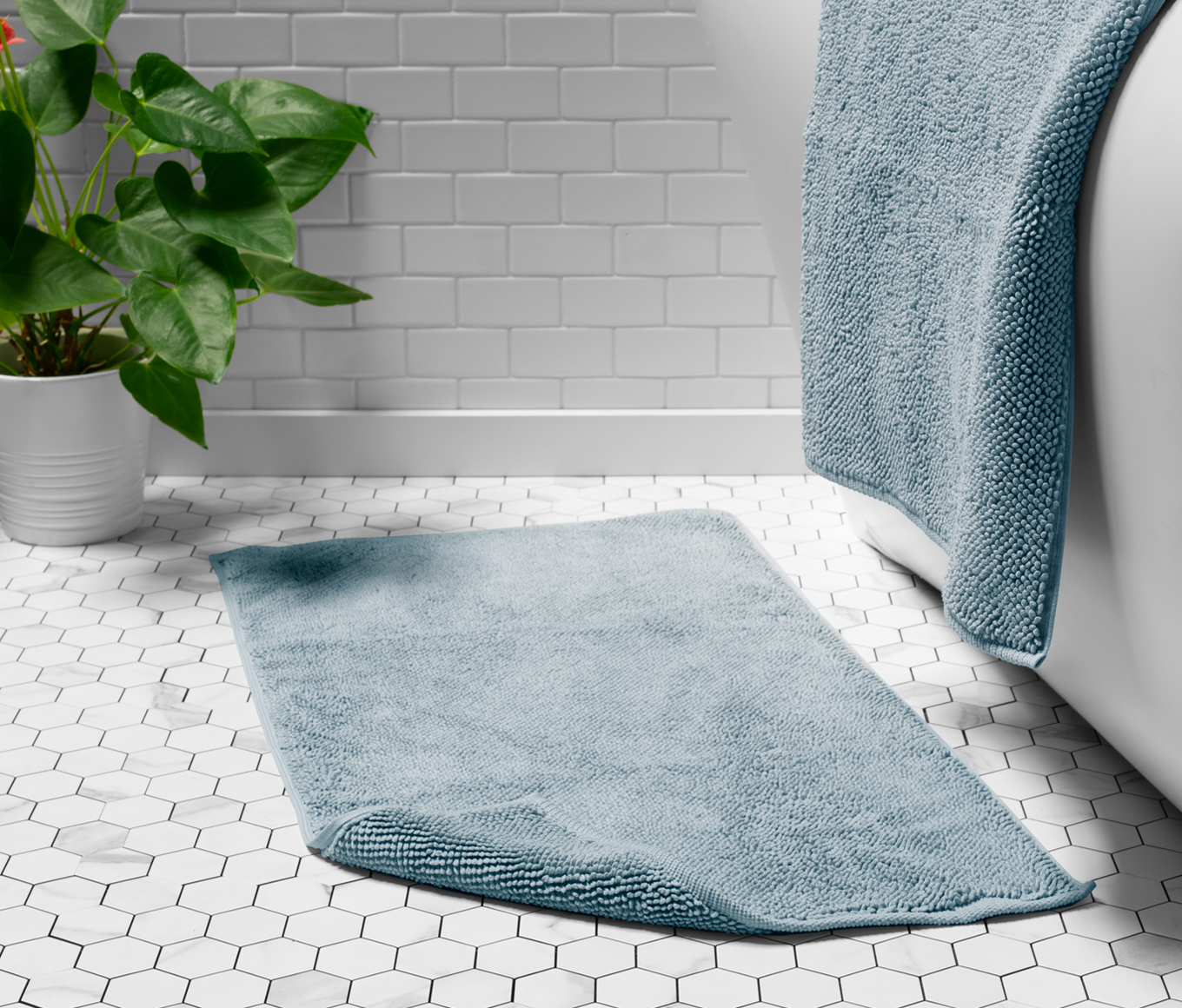
Air drying flat on a clean towel provides the safest method for nearly all bath rug types. Lay your cleaned rug on a dry towel in a well-ventilated area, flipping it every two hours until completely dry—this prevents mildew that develops within 24 hours of improper drying. For cotton rugs that tolerate machine drying, use the lowest heat setting with dryer balls to maintain fluffiness without damaging fibers. Never hang heavy, wet bath rugs over shower rods—the weight stretches fibers and creates permanent deformation. Keep rugs away from direct sunlight during drying; UV rays fade colors and weaken fibers within hours. Check rubber-backed rugs thoroughly for moisture between the backing and fabric layer—this hidden dampness causes mold that ruins rugs from within. Memory foam rugs require 48 hours of flat drying time to ensure complete moisture evaporation from the foam core.
Remove Bathroom Stains Without Ruining Fibers
Treat soap scum immediately with equal parts white vinegar and water applied with a soft cloth—let sit for 10 minutes before rinsing to prevent hard water buildup. For mold spots, mix one part hydrogen peroxide with eight parts water and dab gently on affected areas, avoiding colored rugs that may fade. Rust stains disappear when you apply lemon juice and salt directly to the spot, letting it sit for 30 minutes before rinsing. Makeup stains lift with micellar water applied to a cotton pad and blotted gently—never rub, which pushes makeup deeper into fibers. Always test stain treatments on a hidden corner first; what works on cotton may damage microfiber. Never use bleach on colored rugs—it strips color and weakens fibers, creating thin spots that wear through quickly.
Eliminate Persistent Bath Rug Odors
Pre-soak smelly bath rugs in a solution of one cup baking soda dissolved in cold water for 30 minutes before washing to neutralize odors at the source. For severe mildew smells, add one cup of white vinegar to the rinse cycle—this breaks down odor-causing bacteria without harsh chemicals. Sun-dry odor-affected rugs for two hours maximum; UV rays kill bacteria but prolonged exposure fades colors. Sprinkle baking soda directly on damp rugs before washing for extra odor absorption during the cleaning process. Never ignore persistent odors—they indicate trapped moisture that will cause permanent mold damage within days. Rotate between two bath rugs to ensure each gets 48 hours of complete drying time between uses, preventing odor development at the source.
Create a Bath Rug Cleaning Schedule That Works
Wash daily-use bath rugs every 7-10 days—waiting longer allows bacteria to multiply to unhealthy levels. Guest bathroom rugs need cleaning only every 3-4 weeks with light use. Vacuum all bath rugs weekly with a brush attachment to remove embedded dirt before it works deeper into fibers. Shake out rugs outdoors daily to remove surface moisture and prevent musty smells. Spot clean spills immediately with a damp cloth to prevent stains from setting. Keep two identical bath rugs and swap them weekly, ensuring each gets proper drying time. In humid climates, increase cleaning frequency by 50%—high moisture environments accelerate mold growth in bath rugs.
Special Care for Memory Foam and Rubber-Backed Rugs

Hand wash memory foam bath rugs only—machine washing collapses the foam structure permanently. Clean rubber-backed rugs in cold water only; warm water melts the backing within minutes. Never fold memory foam rugs during drying—this creates permanent creases that collect moisture and cause mold. Check rubber backing weekly for cracks or peeling; replace rugs immediately when backing deteriorates to prevent floor stains. Wash memory foam covers separately from the foam insert according to care labels. Never use fabric softener on rubber-backed rugs—it creates slippery residue that becomes a safety hazard.
Troubleshoot Common Bath Rug Problems
Restore shrunken cotton rugs by soaking in lukewarm water with one tablespoon hair conditioner, then gently stretching while damp. Fix matted fibers by brushing with a pet slicker brush while the rug is slightly damp, then air dry flat. Remove stiffness from detergent buildup by rewashing with one cup white vinegar in the rinse cycle. Repair minor backing cracks with rubber cement specifically designed for bath mats. Replace rugs immediately when you see black spots that won’t clean—this indicates deep mold penetration that cannot be fully removed.
Final Note: Following these specific how to clean bath rugs methods keeps your bathroom hygienic while extending rug life by years. Proper drying prevents 95% of bath rug problems, so never skip this critical step. Rotate between two rugs to ensure adequate drying time, and always treat stains immediately before they set. With consistent care using these techniques, your bath rugs will stay fresh, absorbent, and looking like new through daily bathroom use.
Leave a Reply