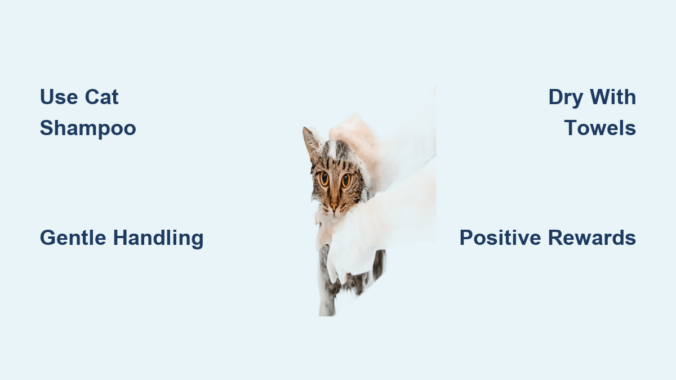
Bathing a cat that despises water often feels like attempting the impossible. Many frustrated pet owners believe their feline companion will simply never tolerate bath time—but with the right techniques, even the most water-averse cat can be cleaned safely. The secret isn’t forcing your cat to accept water; it’s working with their natural instincts to minimize stress for both of you. This guide reveals proven methods to bathe your resistant cat effectively while preserving your relationship and your sanity. You’ll learn how to prepare properly, handle your cat gently, and create positive associations that make future baths progressively easier.
Why Your Cat Panics at the Sight of Water
Cats’ water aversion stems from their evolutionary history as desert-dwelling creatures who rarely encountered large bodies of water. Unlike dogs bred for water retrieval, cats developed without the need to enter water regularly. Their dense fur, designed for insulation and temperature regulation, becomes heavy and uncomfortable when wet, causing them to lose their natural agility. When your cat shakes violently after getting wet, they’re instinctively trying to restore their fur’s insulating properties.
The sensation of being restrained while wet triggers your cat’s most primal fear response. In the wild, being unable to move freely means vulnerability to predators. When you hold your cat over water, their instinct screams “danger” even though you’re trying to help. This explains why normally gentle cats suddenly become fierce defenders during bath time—it’s not personal, it’s survival instinct. Understanding this biological reaction helps you approach bathing with the patience necessary for success.
Essential Supplies for a Stress-Free Cat Bath

Gathering everything before bringing your cat near water prevents frantic mid-bath scrambling that increases stress. Start with a cat-specific shampoo—human products disrupt your cat’s delicate skin pH balance, causing irritation and dryness. Look for sulfate-free formulas with soothing ingredients like colloidal oatmeal or aloe vera. Never use dog shampoos containing permethrin, which is toxic to cats.
Your setup needs three thick, absorbent towels placed within easy reach. A non-slip mat for the sink or tub bottom gives your cat crucial traction, reducing panic from slippery surfaces. A small plastic cup lets you control water flow without startling spray. Prepare cotton balls to gently plug ears before bathing begins, preventing water intrusion that could lead to ear infections. Consider wearing long sleeves and gardening gloves for protection during particularly resistant baths, but avoid anything that restricts your dexterity.
Transform Your Bathroom Into a Calm Zone
The bathing environment dramatically affects your cat’s stress level. Choose a small bathroom or utility sink rather than a large tub where your cat feels exposed. Close all doors and windows to prevent escape attempts—many cats bolt during baths and become difficult to recapture. Maintain a warm room temperature (75-80°F) since wet cats lose body heat rapidly through their fur.
Mask the sound of running water with white noise from a fan or calming cat music, as many felines find water sounds terrifying. Some owners find success using Feliway diffusers 30 minutes before bathing to release calming pheromones. Dim bright overhead lights to reduce sensory overload. Most importantly, regulate your own breathing and energy—cats detect human anxiety instantly. Take slow, deep breaths to calm yourself before calling your cat, and speak in a low, steady voice throughout the process.
Pre-Bath Preparation That Makes All the Difference
Help your cat mentally prepare through gradual desensitization in the days before bathing. Place the non-slip mat in the dry sink and reward your cat with treats for investigating it. Practice brief “sink visits” where your cat enters the tub, receives praise and a treat, then exits—no water involved. This builds positive associations with the bathing location rather than fear.
Schedule the bath after vigorous playtime when your cat is naturally calmer. Trim claws 24-48 hours beforehand to minimize accidental scratches during handling. Thoroughly brush your cat to remove mats and loose fur that worsen when wet. Avoid bathing immediately after meals to prevent nausea from stress. Feed a small treat right before starting to create an immediate positive association with the bathing process.
Gentle Handling Techniques for Maximum Cooperation
Support your cat’s entire body during the bath with one hand under their chest and the other under their hindquarters. Never restrain too tightly—allow some movement within safe boundaries to reduce panic. Pour water slowly using the cup method rather than direct shower spray, starting at the shoulders and working backward away from the head. Keep your voice calm and reassuring, even if your cat protests loudly.
Watch for stress signals like rapid breathing, dilated pupils, or flattened ears—these mean it’s time to pause and let your cat recover. If your cat becomes extremely distressed, stop immediately rather than forcing completion. A traumatic bath creates long-term resistance. For extremely resistant cats, consider bathing just one section at a time over multiple sessions. Most cats tolerate brief baths better than prolonged struggles, so work efficiently while maintaining gentleness.
Shampoo Application and Rinsing Without Resistance

Use lukewarm water (test with your inner wrist) and apply shampoo starting at the neck, working backward toward the tail. Avoid the face entirely—clean this area later with a damp cloth. Use minimal shampoo (a nickel-sized amount for medium cats) and work it into the fur with slow, circular motions rather than vigorous scrubbing. Focus on dirtiest areas first: underarms, belly, and hindquarters.
Rinsing requires equal attention to prevent skin irritation from residue. Cup water repeatedly over your cat’s body, starting where shampoo was applied and moving toward the tail. Pay special attention to armpit and groin areas where shampoo collects. Continue until water runs completely clear—this typically takes 3-5 rinsing cycles. Incomplete rinsing causes itching and excessive grooming afterward, making future baths more difficult.
Drying Techniques That Reduce Post-Bath Stress
Begin drying immediately after the final rinse by wrapping your cat in a towel and gently pressing (not rubbing) to absorb moisture. Use multiple towels as they become saturated—damp towels transfer moisture back to your cat’s fur. For towel-tolerant cats, continue switching to dry towels until your cat is merely damp. Most cats prefer towel drying to blow drying, but if using a hair dryer, select the lowest heat setting and hold it at least 18 inches away while continuously moving.
Keep your cat in a warm room during drying—never allow a wet cat near drafts or in cool spaces. Long-haired breeds require more thorough drying to prevent matting. Offer treats during drying to create positive associations. If your cat tolerates it, gently comb through fur with a wide-toothed comb while still damp to prevent tangles. The drying phase often causes less stress than the bathing itself, so maintain your calm energy through completion.
Positive Reinforcement Strategies That Work
Reward your cat with high-value treats (chicken, tuna) immediately after each successful step, not just at the end. This creates positive associations during the process rather than just after the stressful experience. Many owners make the mistake of withholding treats until the bath is complete, missing opportunities to reinforce cooperative behavior. Speak in an upbeat, happy voice throughout—even if your cat resists, maintain positivity to avoid reinforcing fear.
After the bath, provide extended cuddle time or play with your cat’s favorite toy to reinforce that the experience ends positively. Avoid scolding or showing frustration if the bath was difficult—this increases future resistance. Over multiple baths, most cats learn to tolerate the process better when consistently paired with rewards and calm handling. The goal isn’t making your cat love water—it’s teaching them that bathing ends and they receive affection afterward.
Alternative Cleaning Methods to Reduce Bath Frequency
Most cats need full baths only 2-4 times yearly if they’re otherwise healthy. Between baths, use waterless cat shampoos applied to a cloth and rubbed through the coat. Commercial cat grooming wipes effectively clean paws and faces without water immersion. For spot cleaning, mix a small amount of cat shampoo with water on a washcloth and target only soiled areas.
Regular brushing (daily for longhairs, weekly for shorthairs) removes loose fur and distributes natural oils, reducing the need for baths. For cats with chronic skin conditions requiring frequent medicated baths, consult your veterinarian about alternative treatments that might reduce bathing frequency. Remember that cats are naturally fastidious groomers—their saliva contains enzymes that clean their fur, so they rarely need the level of cleaning dogs require.
Recognize When Professional Help Is Necessary
Contact a professional groomer or veterinarian if your cat shows extreme aggression (biting, scratching that breaks skin) during bathing attempts. Cats with severe skin infections or allergies often require specific medicated baths that professionals can administer more safely. If your cat experiences respiratory distress, uncontrollable shaking, or collapse during bathing, stop immediately and seek veterinary guidance.
Some veterinary clinics offer “spa services” with trained technicians who specialize in handling resistant cats. These professionals use specialized equipment and techniques that make bathing safer and less stressful. For cats with profound water phobia, your veterinarian might recommend mild sedation for necessary baths. Never attempt to forcibly bathe a cat who becomes physically dangerous—it’s better to seek professional help than risk injury to both of you.
Leave a Reply