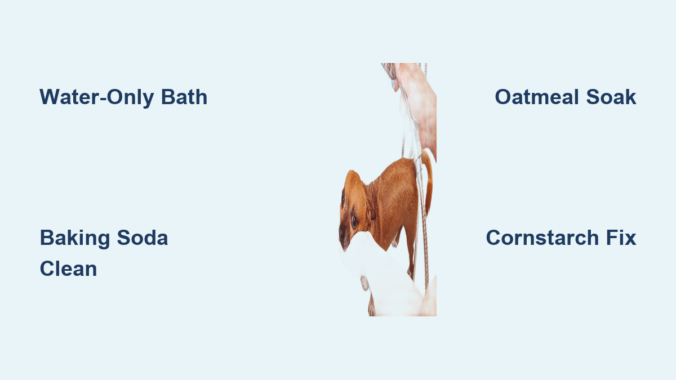
Running out of dog shampoo doesn’t mean your pup has to stay dirty after a muddy adventure. Knowing how to give a dog a bath without shampoo provides practical solutions for pet owners dealing with sensitive skin, chemical concerns, or simply an empty shampoo bottle. Many dogs struggle with the harsh ingredients in commercial shampoos, making natural alternatives not just convenient but often healthier for your furry friend. This guide reveals effective, gentle methods using common household items that leave your dog clean, fresh, and comfortable without traditional shampoo.
Why Skip Traditional Shampoo for Your Dog
Commercial dog shampoos contain chemicals, fragrances, and preservatives that frequently trigger skin irritation, especially in dogs with conditions like dermatitis or eczema. These ingredients strip away natural oils that protect your dog’s skin barrier, leading to dryness, itching, and increased vulnerability to infections. Dogs with sensitive skin often show immediate improvement when switched to shampoo-free bathing methods that eliminate these potential irritants.
Beyond addressing sensitivities, many pet owners prefer natural approaches to reduce their dog’s exposure to synthetic chemicals. Shampoo-free techniques align with holistic pet care by using recognizable ingredients you already have at home. Your dog’s coat maintains its natural luster and protective qualities when you avoid frequent shampooing that disrupts the skin’s pH balance and oil production.
Water-Only Bathing Basics
Plain warm water effectively removes surface dirt and refreshes your dog’s coat between deeper cleanings. This method works surprisingly well for routine maintenance, especially for dogs with healthy skin who haven’t rolled in anything particularly stubborn.
Start by testing water temperature on your inner wrist—it should feel comfortably warm, never hot. Brush your dog thoroughly before wetting to remove loose fur and prevent matting. Wet the coat completely from neck to tail, massaging water through to the skin with your hands. For long-haired breeds, work section by section to ensure water penetrates the undercoat.
After thoroughly wetting, gently squeeze excess water from the coat rather than rubbing. Use multiple absorbent towels to remove moisture, then allow air drying in a warm room. This simple technique works well for light cleaning needs and can be performed weekly without harming your dog’s natural skin protection.
When Water Alone Works Best
Water-only bathing shines for dogs with:
– Healthy, non-oily coats
– Recent exposure to light dirt or dust
– Skin sensitivities to all cleansers
– Post-swim freshwater rinses
Avoid this method when your dog has rolled in oil, grease, or strong odors that water can’t effectively remove.
Baking Soda Deep Clean

Baking soda’s natural deodorizing power makes it perfect for eliminating doggy odors without harsh chemicals. This pantry staple absorbs smells rather than masking them while gently lifting dirt from the coat.
For full-body cleaning, sprinkle baking soda directly onto your dog’s dry coat, focusing on odor-prone areas like the back and underside. Massage it through the fur down to the skin, then let it sit for 10 minutes before thorough brushing. The baking soda will pull oils and odors from the coat as it absorbs.
Target Tough Spots With Paste
Create a powerful cleaning paste by mixing baking soda with water to toothpaste consistency. Apply this directly to muddy paws or dirty bellies, working it gently into the coat with circular motions. After 5 minutes, rinse thoroughly with warm water. This paste method tackles stubborn dirt while remaining gentle enough for frequent use.
Apple Cider Vinegar Rinse Solution
Diluted apple cider vinegar restores your dog’s skin pH balance while providing natural antibacterial benefits. Mix one part vinegar with two parts warm water in a spray bottle for easy application.
After a water bath, spray this solution over your dog’s coat while avoiding eyes and ears. Gently massage it through the fur, then allow air drying—the vinegar smell disappears completely as the coat dries. This rinse helps repel fleas naturally while leaving the coat shiny and clean.
Critical Safety Note
Never use undiluted vinegar on your dog’s skin. Always test on a small patch first to check for sensitivity, and avoid this method entirely if your dog has open sores or broken skin.
Soothing Oatmeal Treatment
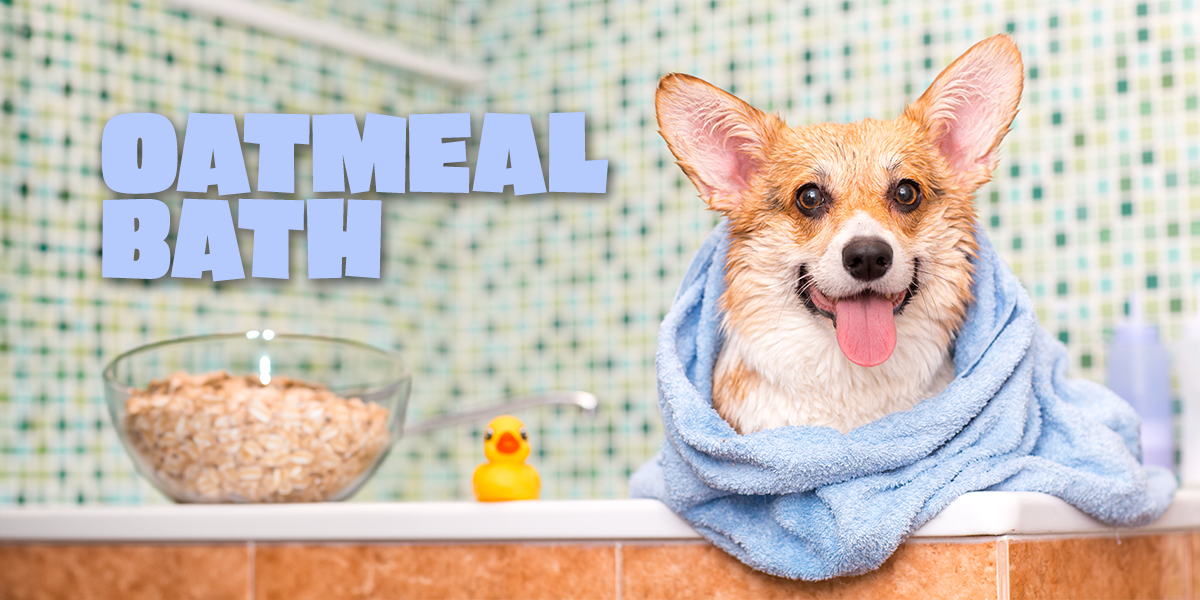
Finely ground oatmeal creates a milky bath that soothes itchy skin while gently cleansing. Grind plain oats in a blender until powdery, then sprinkle into warm bathwater while stirring.
Let your dog soak for 15 minutes in this oatmeal bath, pouring water over problem areas. The colloidal oatmeal forms a protective barrier on irritated skin while drawing out impurities. Unlike other methods, don’t rinse afterward—the residual oatmeal continues soothing as it dries.
Spot Treatment Hack
For localized itching, make a thick oatmeal paste with warm water and apply directly to hot spots. Leave it on for 10 minutes before rinsing, providing immediate relief for irritated skin without medicated shampoos.
Coconut Oil Method
Coconut oil’s natural antibacterial properties make it ideal for dogs with dry, flaky skin. Warm a small amount until liquid, then apply to dry patches before bathing.
Work the oil into affected areas, let it sit for 5 minutes, then rinse with warm water. For post-bath conditioning, use a pea-sized amount on your palms and gently smooth over your dog’s damp coat—avoiding greasy-prone areas. This method nourishes the skin while adding shine to the coat.
Important Quantity Warning
Use coconut oil sparingly—too much creates greasy residue that attracts dirt. Start with minimal amounts and increase only if needed, as some dogs require very little for noticeable results.
Cornstarch Quick Fix
Cornstarch absorbs excess oils faster than commercial dry shampoos. Sprinkle generously over your dog’s dry coat, massage down to the skin, then wait 10 minutes before thorough brushing.
This method works wonders between baths and for water-averse dogs. For light-colored coats with visible stains, add a tiny pinch of cocoa powder (for brown dogs) or turmeric (for golden coats) to the cornstarch to camouflage discoloration while cleaning.
Perfect For Emergency Situations
Keep cornstarch in your car for post-park cleanups or use it immediately after your dog rolls in something unpleasant. It’s the fastest way to refresh your dog’s coat without water when you’re away from home.
Step-by-Step Bathing Process Without Shampoo
Gather supplies first: non-slip mat, towels, brush, and your chosen cleaner. Brush thoroughly before wetting to remove loose fur. Wet the coat completely with lukewarm water from neck to tail, massaging to reach the skin.
Apply your cleaning method evenly through the coat, spending extra time on dirty areas like paws and belly. Rinse until water runs clear—this step is crucial to prevent residue irritation. Squeeze (don’t rub) excess water, then towel dry thoroughly before allowing air drying in a warm room.
Critical Rinsing Tip
Incomplete rinsing causes more skin irritation than the cleaning method itself. Run your hands through the wet coat—if water still feels slippery, continue rinsing until it runs completely clear.
Bathing Frequency Guide
Water-only baths can safely occur weekly, while intensive methods like oatmeal treatments work best every 2-4 weeks. Watch for these signs your dog needs cleaning:
– Persistent “wet dog” smell after drying
– Visible dirt or debris in the coat
– Greasy texture when running your hand through the fur
– Increased scratching or rolling behavior
Adjust frequency seasonally—active summer dogs may need weekly cleanings, while indoor winter dogs might only require monthly maintenance.
Special Dog Considerations
Puppies under 8 weeks need only spot cleaning with damp cloths—avoid full baths. Senior dogs benefit from gentler water-only methods with extra care around joints. Double-coated breeds require thorough undercoat wetting to prevent matting.
Dogs with diagnosed skin conditions should follow veterinary guidance, but many find relief with oatmeal or water-only methods. Never force bathing—if your dog panics, try shorter sessions with high-value treats to build positive associations.
Bath Time Success Tips
Create positive experiences by staying calm, speaking softly, and offering treats during bathing. For water-averse dogs, start with damp cloths and gradually introduce more water over multiple sessions. Always end with a thorough drying session in a warm room—chilled dogs associate baths with discomfort.
Avoid these common mistakes:
– Using water that’s too hot or cold
– Rushing the rinsing process
– Bathing too frequently (strips natural oils)
– Ignoring signs of skin irritation
Regular shampoo-free bathing keeps your dog clean while maintaining skin health. By mastering these techniques, you’ll have multiple solutions for keeping your furry friend fresh without traditional shampoo—whether dealing with sensitive skin, chemical concerns, or simply an empty bottle. Start with water-only methods and gradually introduce other techniques to discover what works best for your unique dog.
Leave a Reply