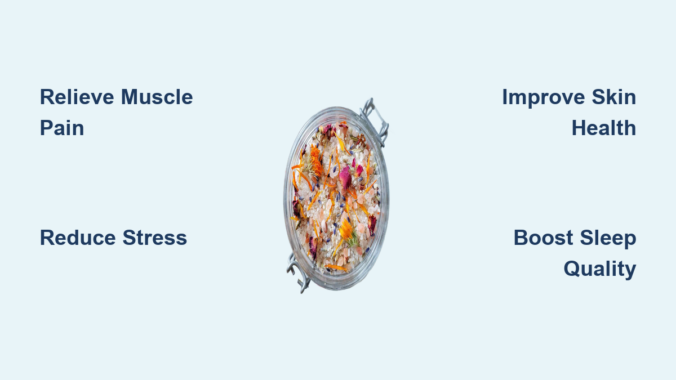
Few self-care rituals deliver such immediate relief as sinking into a warm bath infused with dissolving salt crystals. Beyond the luxurious spa-like experience, bath salt soaks offer scientifically supported therapeutic advantages that address both physical discomfort and mental stress. Whether you’re recovering from intense physical activity, battling chronic stress, or simply seeking a natural way to improve sleep quality, understanding the specific benefits of bath salt soak can transform your wellness routine from indulgence to essential practice.
The magic of bath salt soaks lies in their dual action—warm water combined with mineral-rich salts creates a powerful synergy that penetrates deeper than water alone. This simple practice has been embraced across cultures for centuries, and modern research continues to validate why this ancient remedy remains relevant. In the next few minutes, you’ll discover exactly how salt baths can address your specific wellness challenges and learn practical techniques to maximize every soak.
Relieve Muscle Tension and Joint Discomfort Effectively

When your muscles ache after a demanding workout or your joints stiffen from hours at a desk, a targeted bath salt soak provides faster relief than many over-the-counter solutions. The warm water alone increases blood flow to fatigued tissues, but the salt amplifies this effect through osmosis—drawing magnesium and other minerals deep into your muscles where they’re needed most.
Epsom salt soaks specifically target exercise-induced soreness by delivering magnesium sulfate directly to overworked muscle fibers. This mineral helps reduce inflammation at the cellular level, shortening recovery time significantly. For optimal results, maintain water temperature between 102-104°F and soak for 20-30 minutes—enough time for meaningful mineral absorption without overheating.
How to Target Specific Areas of Discomfort
- For lower back pain: Add 3 cups of Epsom salt to warm bathwater and position a rolled towel under your knees to reduce spinal tension
- For shoulder stiffness: Focus water flow on tight areas while gently rotating joints through their range of motion
- For foot pain: Create a foot-specific soak with 1 cup salt in a basin, adding peppermint oil for cooling relief
Athletes and those with chronic conditions like arthritis report remarkable improvement with consistent salt baths. The buoyancy of salt water reduces joint stress by up to 90%, allowing gentle movement that would be painful on land. While not a replacement for medical treatment, regular salt soaks serve as an exceptional complementary therapy for managing everyday aches.
Reduce Stress and Calm Your Nervous System
The immediate sense of calm you feel during a salt bath isn’t just psychological—your body undergoes measurable physiological changes that counteract stress. As your core temperature rises in warm salt water, your parasympathetic nervous system activates, lowering cortisol levels and triggering the release of mood-boosting endorphins.
Magnesium plays a crucial role in this process by regulating neurotransmitters that control stress responses. Modern lifestyles often lead to magnesium deficiency through poor diet and environmental factors, leaving many people perpetually in “fight or flight” mode. During a 20-minute salt soak, your skin absorbs magnesium that helps:
- Block stress hormone receptors
- Increase serotonin production
- Support healthy GABA function for natural relaxation
Creating Your Stress-Relief Bath Protocol
- Prepare bathwater at 100-102°F (slightly cooler than muscle-relief temperature)
- Dissolve 2 cups Epsom salt while water runs to ensure even distribution
- Add 5 drops lavender essential oil for enhanced calming effect
- Dim lights and eliminate digital distractions for full sensory immersion
- Practice deep breathing with 4-7-8 technique (inhale 4 seconds, hold 7, exhale 8)
The ritual itself provides mental health benefits beyond the physiological effects. Designating this time exclusively for yourself creates psychological boundaries between work stress and personal recovery, training your brain to shift into rest mode more easily over time.
Achieve Healthier Skin Through Natural Detoxification
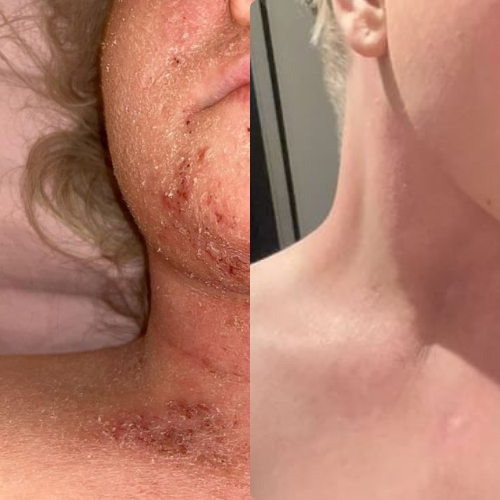
Bath salt soaks deliver professional-level skincare benefits from your own bathtub through three powerful mechanisms: gentle exfoliation, deep pore cleansing, and mineral replenishment. The coarse texture of sea salts physically removes dead skin cells without the harshness of synthetic scrubs, while the osmotic effect draws impurities from deep within pores.
Dead Sea salt soaks particularly benefit those with problematic skin conditions. The unique mineral composition—rich in magnesium, potassium, calcium, and bromides—has been clinically shown to:
- Reduce eczema symptoms by 50% with regular use
- Decrease psoriasis scaling and redness
- Improve skin barrier function for better moisture retention
- Balance oil production in acne-prone skin
Maximizing Skin Benefits During Your Soak
- For dry skin: Follow your soak with immediate application of oil-based moisturizer while skin is still damp
- For acne-prone skin: Add 1 teaspoon bentonite clay to your salt mixture for enhanced detoxification
- For aging skin: Incorporate 3 drops frankincense essential oil to boost collagen production
- Timing matters: Soak for 15 minutes maximum if you have sensitive or reactive skin
Unlike many commercial skincare products, bath salts work with your skin’s natural processes rather than disrupting its pH balance. The minerals actually strengthen the skin’s protective barrier while removing impurities—delivering results without the irritation common in harsh cleansers.
Improve Circulation for Enhanced Energy and Recovery
:max_bytes(150000):strip_icc()/UnderstandingtheVasodilationProcess-v1-e8eeab4ac4d744cc971a48623a36edfb.png)
Poor circulation manifests in cold extremities, persistent fatigue, and slow muscle recovery—all conditions significantly improved through regular salt baths. The warmth of the water causes vasodilation (expansion of blood vessels), while magnesium in Epsom salts helps maintain vascular elasticity for sustained circulatory benefits.
During a 25-minute soak, blood flow to your extremities can increase by up to 300%, delivering more oxygen and nutrients to tissues while accelerating the removal of metabolic waste products like lactic acid. This explains why many people experience that characteristic “post-soak energy boost” even after a relaxing bath.
Circulation-Focused Soak Protocol
- For morning energy: Use slightly cooler water (98-100°F) with 2 cups Epsom salt and 5 drops rosemary oil
- For post-workout recovery: Add 1 cup baking soda to your salt bath to neutralize acid buildup
- For evening relaxation: Incorporate ginger slices to the bathwater for gentle circulatory stimulation
- Frequency: Alternate-day soaks provide cumulative benefits without overtaxing your system
The circulatory improvements from regular salt baths extend beyond immediate effects—over time, consistent practice can help regulate blood pressure and reduce symptoms of conditions like Raynaud’s disease.
Enhance Sleep Quality with Strategic Timing
If you struggle with insomnia or restless sleep, a properly timed salt bath could be your most effective natural sleep aid. The key lies in leveraging your body’s natural thermoregulation process—when you exit a warm bath, your core temperature drops rapidly, mimicking the natural temperature dip that triggers sleep onset.
For maximum sleep benefits, schedule your bath 90 minutes before bedtime. This allows sufficient time for:
– Complete mineral absorption (20-30 minutes soaking)
– The natural cooling process after exiting the tub
– Transitioning into your bedtime routine
Optimizing Your Pre-Sleep Salt Bath
- Water temperature: 100-102°F (hotter water can be stimulating)
- Salt quantity: 2 cups Epsom salt for magnesium absorption
- Essential oils: 3 drops lavender + 2 drops vetiver for deep relaxation
- Environment: Low lighting, no screens, and quiet ambiance
The magnesium absorbed during your soak supports melatonin production while calming overactive nerve signals that prevent restful sleep. Many users report falling asleep 30% faster and experiencing fewer nighttime awakenings with consistent pre-sleep salt baths.
Safety Considerations for Maximum Benefit
While generally safe, certain precautions ensure you experience only positive effects from your salt baths. People with heart conditions, high blood pressure, or diabetes should consult their healthcare provider before regular salt bathing, as the cardiovascular effects of warm water require special consideration.
Critical Safety Guidelines
- Hydration: Drink 8-16 ounces of water before and after your soak
- Temperature control: Never exceed 104°F to avoid cardiovascular strain
- Skin sensitivity: Reduce salt quantity if you experience stinging (start with 1 cup)
- Medical conditions: Avoid salt baths with open wounds or severe skin infections
Listen to your body during each soak—dizziness or discomfort means it’s time to exit slowly and rest. Most healthy adults can safely enjoy salt baths 2-3 times weekly, adjusting frequency based on individual response and wellness goals.
Regular bath salt soaks represent one of the most accessible, affordable wellness practices with scientifically supported benefits across multiple body systems. By understanding how to tailor your soak to specific needs—whether muscle recovery, stress reduction, skin health, or better sleep—you transform a simple bathing ritual into targeted therapeutic treatment. The key lies in consistent practice with proper technique: choose the right salt for your goals, maintain optimal water temperature, and allow sufficient soaking time for meaningful mineral absorption. When incorporated thoughtfully into your routine, the benefits of bath salt soak extend far beyond temporary relaxation, delivering cumulative improvements to your physical health, mental clarity, and overall quality of life. Start with just two targeted soaks per week, and within a month, you’ll likely notice significant improvements in how you move, feel, and recover through your daily life.
Leave a Reply