Soaking in salt water transforms an ordinary bath into a powerful healing ritual with scientifically supported advantages. Whether you’re using Epsom salt, sea salt, or Himalayan pink salt, the mineral-rich solution creates a therapeutic environment that delivers measurable physical and mental benefits. Many people discover relief from chronic discomfort and improved wellbeing after incorporating regular salt water baths into their self-care routine. This natural therapy works through simple physiological processes that enhance your body’s natural healing abilities without medication or expensive treatments.
The magic of salt water bathing happens through osmosis and mineral absorption. As you soak, your skin draws beneficial minerals from the water while simultaneously releasing toxins and inflammatory compounds. This dual action makes salt water baths uniquely effective compared to plain water soaks. Beyond the physical benefits, the warm saline environment signals your nervous system to shift into relaxation mode, reducing stress hormones and creating a mental sanctuary from daily pressures. Understanding the specific advantages of salt water immersion helps you maximize this simple yet potent wellness practice.
Relieve Muscle Soreness and Joint Pain
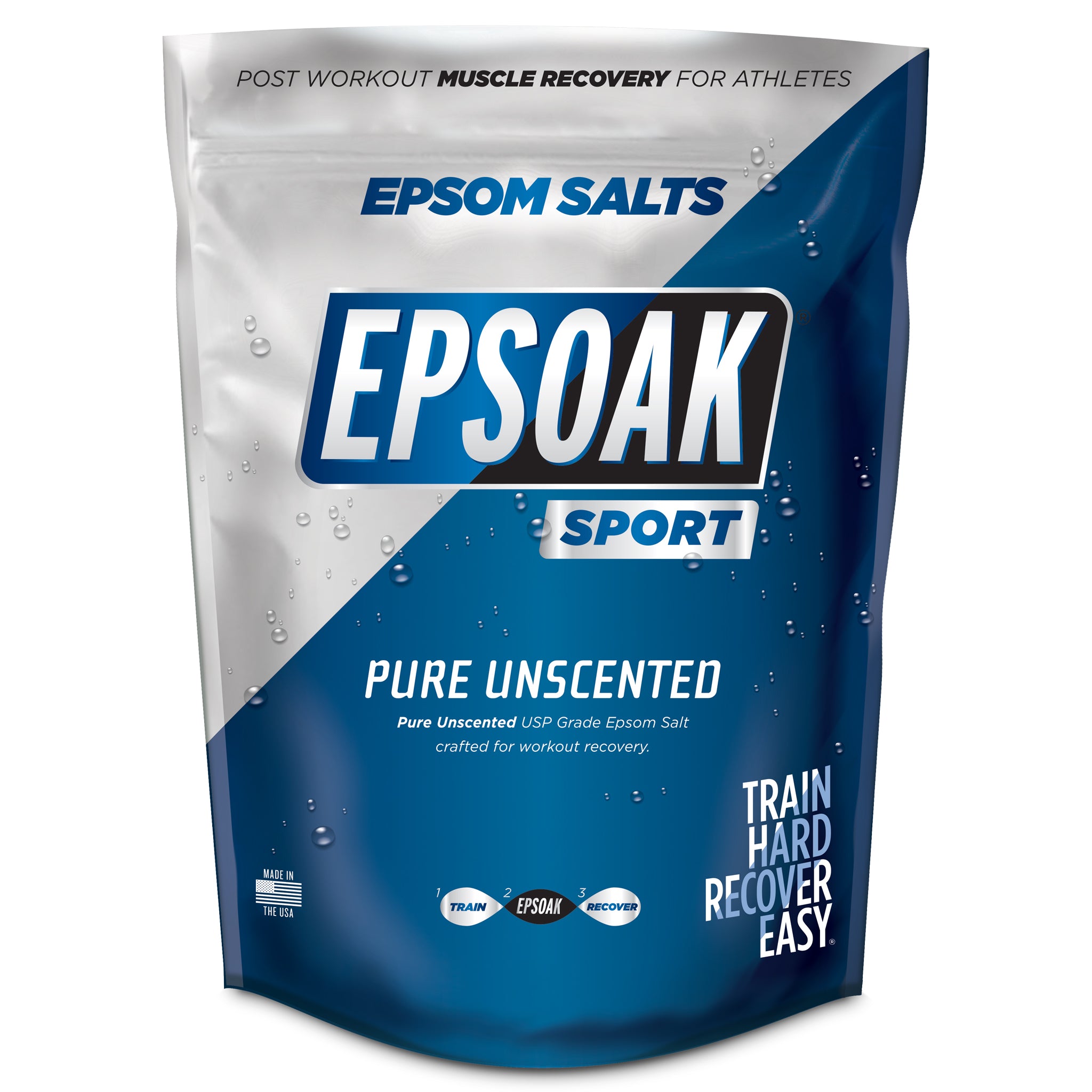
Salt water baths provide immediate relief for sore muscles and stiff joints through multiple mechanisms working together. The magnesium in Epsom salt penetrates your skin during the soak, entering your bloodstream where it helps regulate muscle contractions and reduce inflammation. This explains why athletes routinely use salt soaks as part of their recovery protocol after intense training or competition.
How Salt Water Eases Muscle Tension
Warm salt water creates a powerful combination for muscle recovery. The heat increases blood flow to tired tissues, delivering oxygen and nutrients while flushing out metabolic waste like lactic acid. Simultaneously, the salt’s anti-inflammatory properties reduce swelling in overworked muscles. This dual action accelerates healing and provides noticeable relief within minutes of soaking.
Best Practices for Pain Relief
For maximum muscle recovery benefits, maintain water temperature between 92-100°F—warm enough to promote circulation without causing discomfort. Add two cups of Epsom salt per standard bathtub and soak for 15-20 minutes. You’ll often feel tension melting away during the soak itself. Regular salt water bathing can reduce muscle cramp frequency and improve mobility over time, making it valuable for both athletes and those with chronic pain conditions.
Improve Your Skin Health

Salt water delivers impressive skin benefits that go beyond basic cleansing. The natural exfoliating properties of sea salt gently remove dead skin cells, revealing brighter, smoother skin underneath. This physical exfoliation promotes cellular turnover for a more youthful appearance without the irritation often caused by chemical exfoliants.
Combat Skin Conditions Naturally
The antibacterial and antimicrobial properties of salt water effectively combat breakouts and skin infections. People with acne-prone skin frequently report reduced blemish frequency after incorporating regular salt soaks into their routine. The minerals in salt water also balance natural oil production and strengthen the skin’s barrier function, helping it retain moisture and resist environmental damage.
Relief for Chronic Skin Issues
Salt water baths provide significant relief for chronic conditions like eczema, psoriasis, and dermatitis. The osmotic effect draws excess fluid from inflamed tissues, reducing swelling and itching. Many dermatologists recommend salt water therapy as complementary treatment, noting fewer flare-ups when patients include regular saline soaks in their skincare routine. Always follow your salt bath with thorough moisturizing, as salt can have a drying effect on some skin types.
Reduce Stress and Enhance Mental Wellness
Salt water baths create a powerful sensory experience that naturally triggers your body’s relaxation response. The warm saline environment engages your parasympathetic nervous system, signaling your body to shift out of “fight or flight” mode. This physiological change alone can significantly reduce feelings of anxiety and tension within minutes of soaking.
Magnesium’s Mood-Boosting Effects
Magnesium from Epsom salt plays a direct role in regulating your nervous system during salt water baths. As your skin absorbs magnesium, it helps lower cortisol levels while increasing serotonin production—the neurotransmitter responsible for mood regulation. This explains why so many people emerge from a salt water soak feeling calmer, more centered, and better equipped to handle daily challenges.
Create a Mental Sanctuary
The ritual of taking a dedicated salt bath creates essential boundaries in your day for genuine relaxation. Setting aside 20-30 minutes for this self-care practice signals to your brain that it’s time to unwind. Adding essential oils like lavender or eucalyptus enhances this meditative experience, clearing mental fog and improving emotional resilience. Many regular practitioners find salt water bathing becomes an essential tool for managing stress-related conditions.
Support Better Sleep Quality

If you struggle with falling asleep or staying asleep, salt water baths offer a natural solution backed by sleep science. The relaxation benefits directly translate into improved sleep quality through multiple physiological pathways. The warm bath triggers a temperature drop after you exit, which sleep researchers call “thermogenic sleepiness”—mimicking the natural temperature drop that signals your brain it’s time to sleep.
Timing Your Bath for Maximum Effect
For optimal sleep benefits, schedule your salt water bath 60-90 minutes before bedtime. This allows time for the full relaxation response to develop and for your body temperature to return to normal before lying down. Magnesium-rich Epsom salt enhances this effect by supporting healthy melatonin production—the hormone regulating your sleep-wake cycle. Many people experience improved sleep quality within just a few nights of consistent salt bathing.
Choose the Right Salt for Your Needs
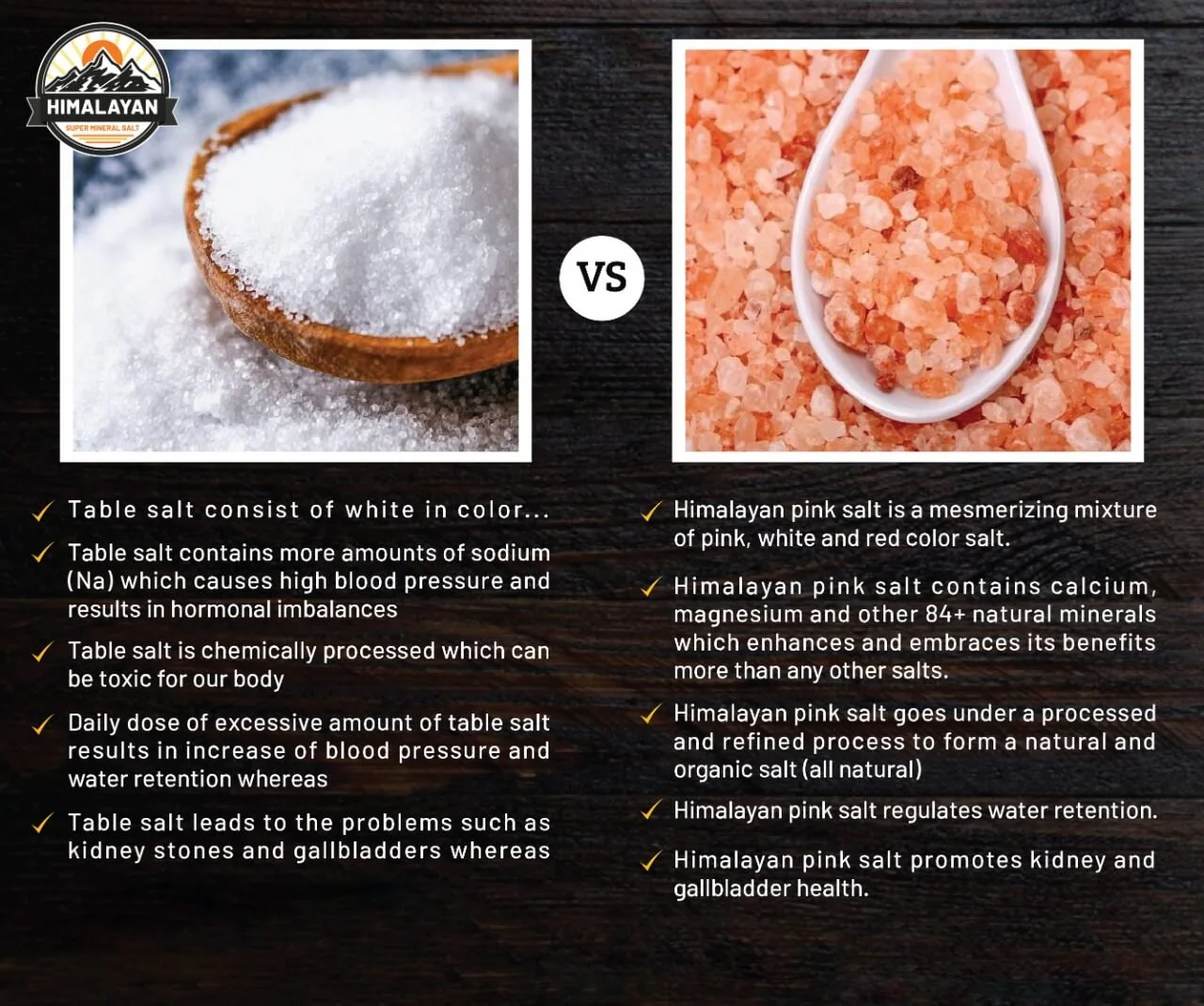
Different salts offer unique benefits, and selecting the appropriate type enhances your salt water bath experience. Understanding the specific advantages of each variety helps you match your salt choice to your wellness goals.
Epsom Salt for Muscle Recovery
Epsom salt (magnesium sulfate) remains the top choice for muscle relaxation and pain relief due to its high magnesium content. Widely available and affordable, it’s particularly beneficial for athletes and those with muscle soreness or joint pain. Its proven effectiveness makes it an excellent starting point for beginners exploring salt water therapy.
Sea Salt for Skin Health
Unrefined sea salt contains a broader spectrum of minerals including sodium, potassium, calcium, and trace magnesium. This mineral diversity makes sea salt especially beneficial for skin health, supporting cellular function and skin barrier integrity. Look for additive-free varieties to ensure you receive the full mineral profile without unwanted chemicals.
Optimize Your Salt Bath Technique
Maximizing benefits requires attention to water temperature, salt concentration, soak duration, and timing—small adjustments that significantly enhance your experience.
Perfect Your Bath Conditions
Target water temperature between 92-100°F for optimal muscle relaxation without cardiovascular stress. Use two cups of Epsom salt per standard bathtub, increasing to three or four cups for more intensive relief. Allow salt to fully dissolve before entering to ensure even distribution and prevent skin irritation from undissolved granules.
Essential Post-Soak Care
Soak for 15-20 minutes minimum to allow mineral absorption and muscle relaxation. Stay hydrated by drinking water before, during, and after your bath. Avoid soap or other bath products during therapeutic soaks, as they interfere with mineral absorption. Rinse with clean water afterward, then apply moisturizer to lock in hydration—especially important if you have dry or sensitive skin.
Frequency and Long-Term Wellness Integration
Determining how often to take salt water baths depends on your specific goals and how your body responds to the treatment.
Personalize Your Routine
For general wellness maintenance, two to three salt baths weekly provide excellent benefits. Athletes may benefit from daily soaks during intense training periods. Those managing chronic conditions often find more frequent bathing (four to seven times weekly during flare-ups) provides significant symptom relief. Start gradually with three short baths weekly, then adjust frequency based on your results.
Create a Holistic Ritual
Integrating salt water baths into a broader wellness routine enhances their benefits. Pair baths with gentle stretching or yoga to prepare muscles. Practice deep breathing during your soak to compound stress relief. Following your bath with a cool shower, light moisturizing, and bedtime preparation creates a complete self-care ritual supporting physical, mental, and emotional health.
Regular salt water bathing offers a simple yet powerful way to enhance your overall wellbeing. By understanding the specific benefits and optimizing your technique, you can transform this ancient practice into a cornerstone of your modern wellness routine—delivering relief from physical discomfort while creating mental clarity and restful sleep. The most significant improvements often come with consistent practice, making salt water baths a valuable investment in your long-term health.
Leave a Reply