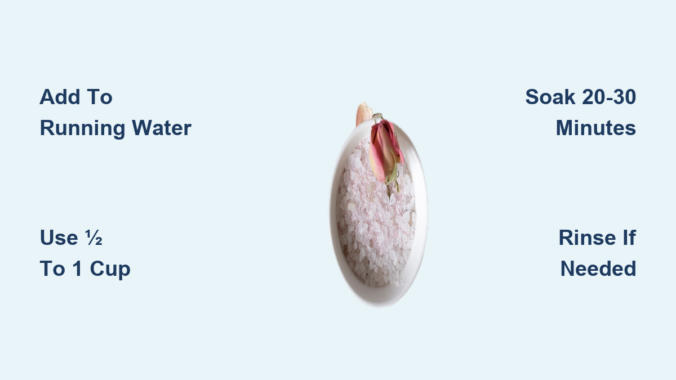
Running a warm bath and adding bath salts transforms an ordinary soak into a therapeutic experience. Many people purchase bath salts but aren’t sure how to properly incorporate them into their bathing routine for optimal results. Without proper technique, you might miss out on the full benefits these mineral-rich products offer. This guide explains exactly when, how much, and what to do with bath salts to create a spa-like experience in your own bathroom that soothes muscles, softens skin, and calms your mind.
Proper Timing for Adding Bath Salts to Your Tub
When to Add Salts During Tub Filling Process
Begin adding bath salts while your tub is filling with warm water, not after it’s completely full. The flowing water helps dissolve the salts more effectively and creates a more even distribution throughout your bath. Pour the salts directly under the running water stream as the tub fills, allowing the agitation to break down crystals completely. This prevents undissolved chunks from settling at the bottom of your tub where they won’t be as effective.
Why Adding Salts to Running Water Matters
Adding bath salts to running water creates immediate circulation that prevents clumping and ensures complete dissolution. If you wait until the tub is full, you’ll need to manually stir the water to dissolve the salts, which can be messy and less effective. The force of water flowing from your tap naturally incorporates the salts throughout the bath, maximizing your skin’s exposure to the beneficial minerals as you soak.
Measuring the Right Amount of Bath Salts
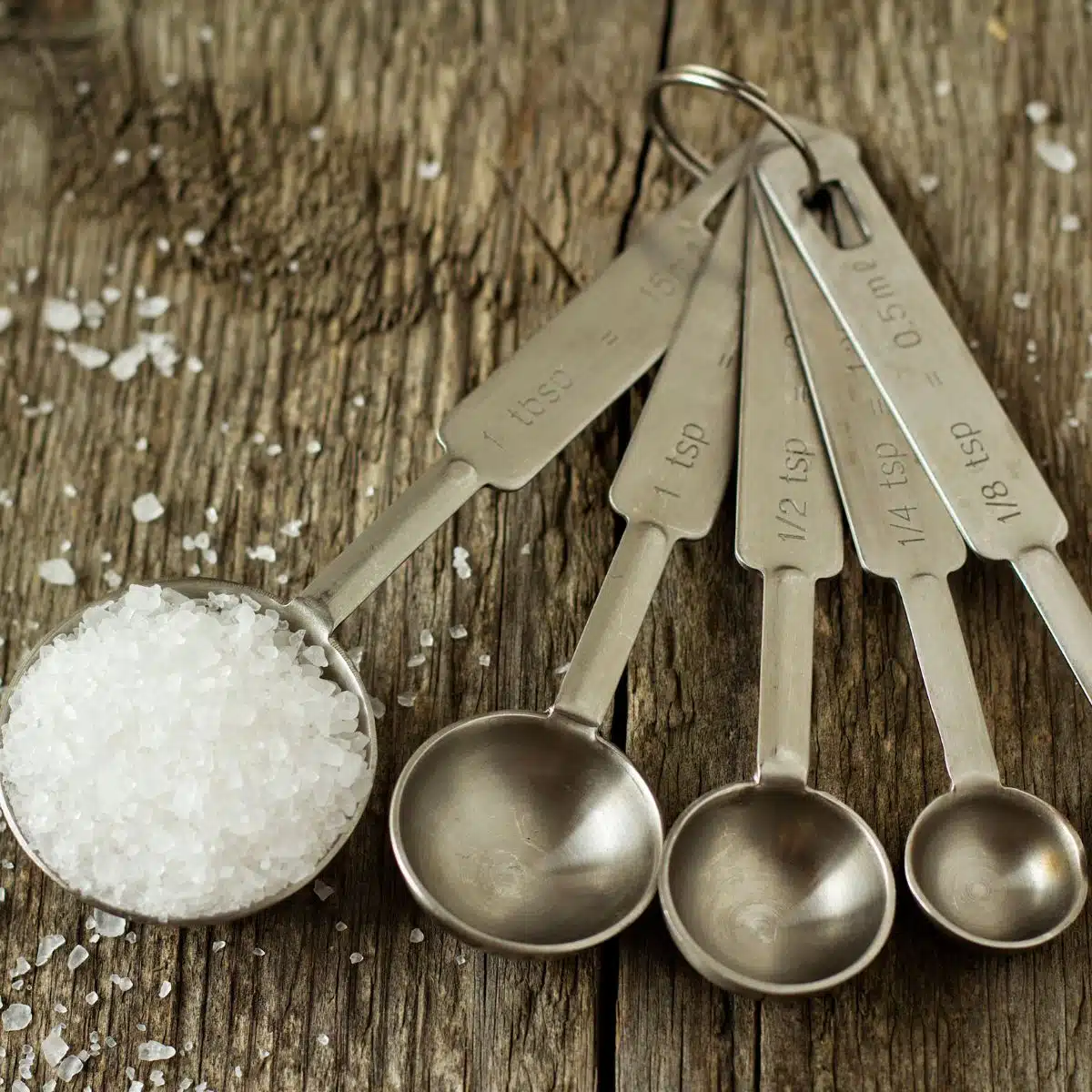
Standard Bath Salt Quantity Guidelines
Use approximately ½ to 1 cup of bath salts for a standard-sized bathtub filled with warm water. If you have sensitive skin, start with ¼ cup and gradually increase to find your ideal amount. For therapeutic effects targeting muscle soreness, use the higher end of the recommendation. Smaller tubs or foot baths require proportionally less—about 2-3 tablespoons for a foot soak.
Adjusting Amounts Based on Salt Type and Purpose
Epsom salts typically require larger quantities (1-2 cups) compared to Dead Sea salts which are more concentrated (½ cup). If your bath salts contain essential oils or botanicals, follow the specific instructions on the packaging as concentrations vary. For general relaxation, stick to the standard ½ cup measurement, but increase to 1 cup when addressing specific concerns like muscle tension or dry skin.
Ideal Water Temperature for Bath Salt Soaks

Finding the Perfect Heat Level
Fill your tub with water between 92-100°F (33-38°C) for optimal bath salt absorption. Water that’s too hot (above 104°F/40°C) can cause certain essential oils in bath salts to evaporate too quickly, reducing their aromatherapy benefits. Extremely hot water also opens pores too rapidly, which may cause irritation when combined with certain mineral salts. Test the water with your elbow—it should feel comfortably warm, not hot.
How Temperature Affects Salt Dissolution and Benefits
Warm water (not hot) creates the ideal environment for minerals in bath salts to dissolve completely and be absorbed through your skin. Cooler water temperatures slow dissolution, potentially leaving undissolved crystals that could irritate sensitive skin. The ideal temperature range allows your body to remain in the bath long enough to experience full benefits without causing overheating or dehydration.
Soaking Duration for Maximum Benefits
Recommended Time Limits for Different Salt Types
Soak for 20-30 minutes when using Epsom salts to allow magnesium absorption through the skin. Dead Sea salt baths should be limited to 15-20 minutes due to their higher mineral concentration. If your bath salts contain strong essential oils, don’t exceed 20 minutes to prevent potential skin sensitivity. Never fall asleep in a bath with salts—the extended exposure can dry out your skin.
Signs You’ve Soaked Long Enough
Exit your bath when your fingers begin to prune slightly, which typically happens around the 20-minute mark. If you notice any skin tingling, redness, or irritation, get out immediately and rinse with clean water. After soaking, your muscles should feel relaxed but not weak, and your skin should feel soft, not tight or dry. Pay attention to how your body responds to determine your ideal soaking time.
Post-Bath Care After Using Bath Salts
Proper Rinsing Techniques
Rinse briefly with clean, lukewarm water after your salt bath if you’ve used products with strong essential oils or colorants that might stain skin. For pure mineral salts like Epsom or Dead Sea varieties, rinsing isn’t necessary and may wash away beneficial minerals still absorbing into your skin. Gently pat your skin dry with a towel—don’t rub vigorously, as your skin will be extra soft and potentially more sensitive after the soak.
Maximizing Benefits After Your Bath
Apply moisturizer within three minutes of drying off to lock in the hydrating benefits from your bath salts. Drink a glass of water to help your body process the minerals absorbed during your soak. Rest for at least 15 minutes after your bath to allow continued absorption and to extend the relaxation effects. For muscle relief, follow your salt bath with gentle stretching to enhance the therapeutic benefits.
Common Bath Salt Mistakes to Avoid
Errors That Reduce Effectiveness
Never add bath salts to extremely hot water straight from the tap—let it cool slightly first to preserve essential oils. Avoid using bath salts in jetted tubs unless specifically designed for them, as salts can damage pump mechanisms. Don’t combine multiple types of bath products (bubble bath, oils, salts) simultaneously as they can interact negatively. Never use bath salts if you have open wounds or severe skin conditions without consulting a healthcare provider.
Storage Issues That Compromise Quality
Store bath salts in airtight containers away from humidity to prevent clumping and preserve fragrance. Don’t keep them in your bathroom where steam from showers can degrade quality—choose a cool, dry closet instead. Check expiration dates as some bath salts lose potency over time, especially those with natural ingredients. Avoid using metal spoons to measure bath salts as certain minerals can react with metal over time.
Special Considerations for Sensitive Skin
Modifications for Delicate Skin Types
If you have sensitive skin, dissolve bath salts in a small amount of hot water first to create a solution before adding to your bath. Start with half the recommended amount and gradually increase as your skin adjusts. Choose fragrance-free bath salts or those scented only with pure essential oils rather than synthetic fragrances. Consider adding a tablespoon of carrier oil like jojoba or sweet almond to your bath to create a protective barrier for sensitive skin.
When to Skip Bath Salts Entirely
Avoid bath salts if you have eczema flare-ups, open cuts, or active rashes as they may cause stinging or irritation. People with extremely dry skin should limit salt baths to once a week and always follow with heavy moisturizing. Those with kidney problems should consult a doctor before using Epsom salts regularly. If you experience any burning sensation during your soak, exit immediately and rinse thoroughly.
Using bath salts properly transforms your ordinary bath into a therapeutic experience that delivers real physical and mental benefits. The key is dissolving the right amount in properly heated water while you fill your tub, soaking for the appropriate duration, and following proper aftercare. By avoiding common mistakes like using too much product or incorrect water temperatures, you’ll maximize the relaxation and skin-softening effects these mineral-rich products provide. For ongoing benefits, incorporate salt baths into your self-care routine 2-3 times weekly, adjusting quantities based on your specific needs and skin sensitivity. Remember that bath salts work best as part of a comprehensive wellness routine that includes proper hydration and skincare between soaks.
Leave a Reply