Smart Bathroom Solutions: Reviews, Tips & Expert Maintenance Guides

Month: February 2026

Ice Bath After Workout: Benefits & Recovery Tips


Plunging into an ice bath after an intense workout promises faster recovery, reduced muscle soreness, and improved performance—but the evidence supporting these ice bath after workout benefits remains surprisingly mixed. Thousands of athletes from weekend warriors to Olympians swear by this cold therapy, immersing themselves in water between 12–15°C for 5–20 minutes post-exercise. Yet controlled studies have failed to consistently demonstrate advantages over passive recovery or other techniques. Understanding what the research actually shows—rather than the marketing hype—can help you determine whether this popular recovery method deserves a spot in your routine or if you’re better off skipping the shivers.
The debate around ice bath after workout benefits centers on conflicting findings: some studies show improved lactate clearance with contrast therapy, while others reveal impaired performance and interference with long-term training adaptations. As you’ll discover, the truth about cold water immersion is far more nuanced than fitness influencers often portray, with significant individual variation in response and important considerations for different training goals.

Why Cold Water Immersion Fails to Reduce Muscle Soreness

Contrary to popular belief, multiple studies demonstrate that ice bath after workout benefits for reducing delayed onset muscle soreness (DOMS) are largely unsupported by evidence. The Sellwood study randomized volunteers to three 1-minute immersions in either 5°C ice water or 24°C tepid water after exercise. Researchers found the ice water protocol provided no meaningful reduction in DOMS markers compared to the control group. Participants reported similar levels of pain and stiffness regardless of water temperature, challenging the widespread assumption that cold therapy automatically minimizes post-workout soreness.

This finding aligns with physiological reality: DOMS appearing 24–72 hours post-exercise stems primarily from inflammation and microtrauma in muscle fibers rather than lactic acid accumulation. Since lactate typically clears from muscles within hours after exercise ends, therapies targeting “lactic acid removal” address the wrong mechanism for delayed soreness. If your primary goal is reducing next-day soreness, current evidence suggests ice baths offer little advantage over proper rest, hydration, and nutrition.

How Ice Baths Actually Impair Cycling Performance

cyclist power output decline ice bath study

For athletes needing to maintain peak performance across multiple training sessions, ice bath after workout benefits may actually backfire. The Schiziepp study comparing well-trained cyclists revealed that those undergoing ice water immersion experienced a 13.7% decline in maximum power output—more than triple the 4.7% decrease seen in the control group. Maximum heart rate also dropped significantly (8.1% vs. 2.4%), indicating substantial cardiovascular interference from the cold exposure.

These performance impairments likely stem from how cold water immersion disrupts natural recovery processes. Japanese researchers Yamane and colleagues found that increased artery diameter and exercise-induced hyperthermia are essential for key training adaptations including myofiber regeneration and improved blood flow. By cooling muscles too aggressively, ice baths may blunt these beneficial physiological responses, ultimately sabotaging your long-term progress despite offering temporary pain relief.

Case Study: Marathoner’s Worst Soreness After Ice Bath

Consider the case of NCK, a 25-year-old marathoner who presented to the Emergency Department with severe lower limb pain 12 hours after completing a 42-km race. Despite immediately immersing himself in an ice tub as he always did, this training session produced the worst muscle soreness he’d ever experienced. Examination revealed normal muscle power and neurological function, but his creatine kinase levels showed a slight elevation (199 U/L), indicating significant muscle stress.

This real-world example demonstrates that ice bath after workout benefits don’t guarantee protection against severe DOMS, even for experienced athletes. NCK had regularly used ice immersion therapy believing it helped him recover more quickly—yet it failed to prevent debilitating soreness in this instance. Similar cases include a 23-year-old martial artist who developed bilateral arm pain after competition despite his six-month ice bath routine, with normal lab results confirming no underlying medical condition.

Why Athletes Continue Using Ineffective Ice Baths

Despite evidence questioning ice bath after workout benefits, many athletes persist because of powerful placebo effects and psychological comfort. The immediate numbing sensation provides temporary pain relief that feels like recovery in action. Additionally, the ritualistic nature of ice baths creates a mental transition from training to recovery, which may help athletes psychologically “switch off” after intense efforts.

Research suggests water immersion itself—not necessarily the cold temperature—may deliver some benefits through hydrostatic pressure effects. When you immerse your body, fluid shifts from the extravascular space into the vascular compartment, reducing exercise-induced increases in muscle volume and soft tissue inflammation. This process occurs regardless of water temperature, meaning lukewarm immersion might provide similar benefits without the risks of extreme cold.

Contrast Therapy Outperforms Ice Baths for Lactate Clearance

If you’re seeking genuine ice bath after workout benefits for faster recovery between sessions, contrast temperature therapy offers more scientific support than cold immersion alone. The Hamlin and Morton research demonstrated that alternating between hot baths (37–43°C) and cold baths (12–15°C) with a 3:1 or 4:1 warm-to-cold ratio substantially reduced blood lactate concentration and heart rate during recovery.

The typical protocol involves:
– 3–5 minutes in warm water (37–43°C)
– 1–3 minutes in cold water (12–15°C)
– Repeating this cycle for 20–30 minutes total
– Always finishing on the cold phase to encourage vasoconstriction

This alternating approach creates a “pumping” effect through repeated vasodilation and vasoconstriction, theoretically enhancing blood flow and waste product removal more effectively than sustained cold exposure. However, studies comparing showers to full immersion found brief cold exposures (approximately one minute) may not sufficiently decrease muscle temperature after warm water phases, potentially reducing effectiveness.

Proper Ice Bath Protocol for Minimal Risk

ice bath safety guidelines immersion temperature duration

If you decide to try cold water immersion despite the questionable benefits, follow these evidence-based guidelines to maximize safety:

Optimal Temperature and Duration

  • Water temperature between 12–15°C (54–59°F)
  • Immersion duration of 5–10 minutes (never exceed 20 minutes)
  • Chest- or waist-high immersion for systemic effects
  • Exit immediately if experiencing excessive discomfort or numbness

When to Avoid Ice Baths Completely

  • Within 48 hours of strength or hypertrophy training (may impair adaptations)
  • Before competitions requiring peak power output
  • If you have cardiovascular conditions or cold sensitivity disorders
  • During pregnancy or if taking medications affecting thermoregulation

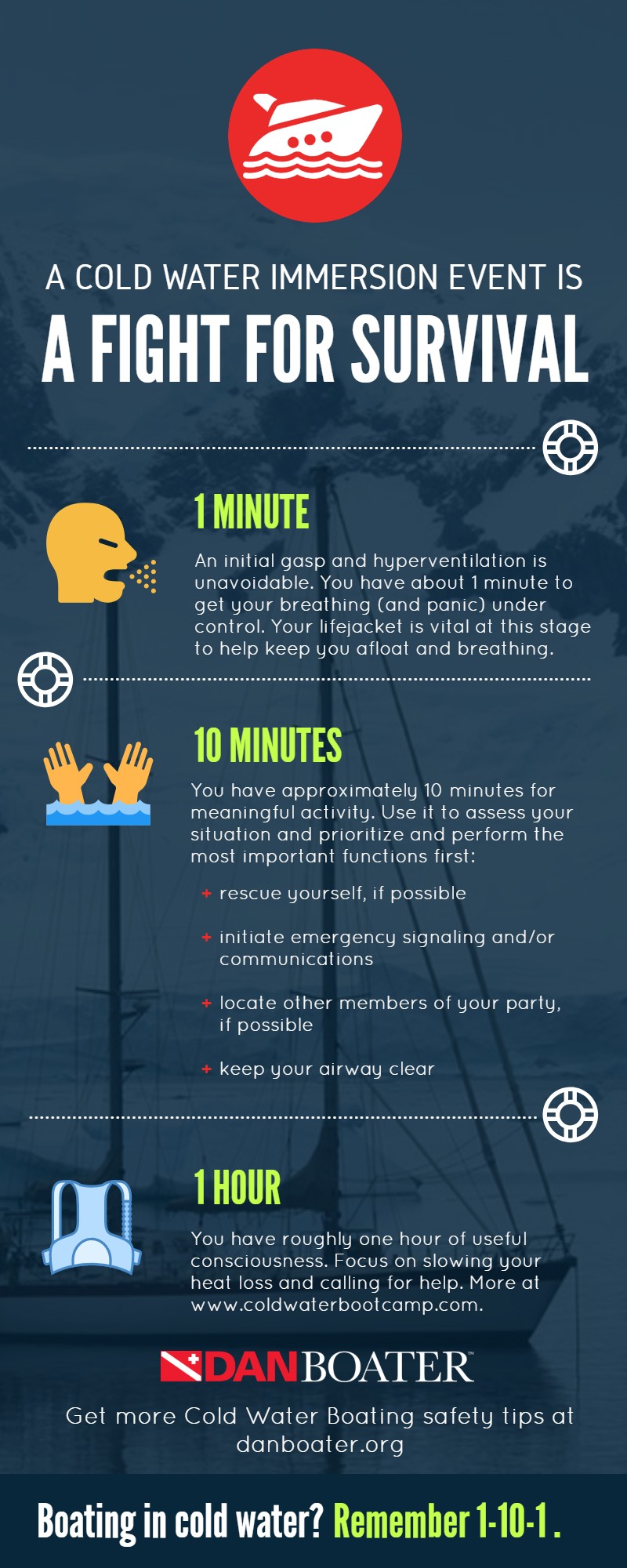
Critical warning: Never immerse your head or neck in ice water due to drowning risk from involuntary gasping reflexes triggered by cold shock. Always have someone nearby when attempting cold therapy, especially during initial exposures.

Better Alternatives for Post-Workout Recovery

Instead of relying on unproven ice bath after workout benefits, prioritize these evidence-based recovery strategies that deliver consistent results:

Foundational Recovery Practices

  • 7–9 hours of quality sleep nightly (non-negotiable for muscle repair)
  • Immediate post-workout nutrition with 20–40g protein and carbohydrates
  • Active recovery through light movement like walking or cycling
  • Hydration with electrolyte replacement for intense/long sessions

Advanced Recovery Techniques

  • Compression garments shown to reduce DOMS in multiple studies
  • Foam rolling for immediate pain relief and improved range of motion
  • Massage therapy targeting specific muscle groups showing tension
  • Strategic rest days allowing 48–72 hours between intense sessions

These approaches address the actual physiological mechanisms behind recovery without potentially interfering with training adaptations as cold therapy might. For most recreational athletes, focusing on these fundamentals delivers more consistent results than chasing marginal ice bath benefits.

The Verdict on Ice Bath After Workout Benefits

ice bath recovery benefits infographic summary

Current scientific evidence does not support ice bath after workout benefits as an essential recovery tool for most athletes. While some individuals report subjective improvements in soreness and readiness, controlled studies reveal inconsistent results at best—and potential interference with training adaptations at worst. The most compelling research actually supports contrast temperature therapy over cold immersion alone, particularly for lactate clearance between same-day training sessions.

For strength athletes and those focused on long-term muscle development, ice baths may do more harm than good by blunting the inflammatory response necessary for hypertrophy. Endurance athletes might find limited benefits from contrast therapy between multiple daily sessions, but even this application lacks strong evidence. The bottom line: don’t sacrifice proven recovery fundamentals for unproven ice bath benefits. Prioritize sleep, nutrition, hydration, and appropriate training spacing—then consider cold therapy only as a potential supplement, not a replacement, for these essentials.

If you choose to experiment with cold water immersion, track your performance and soreness objectively rather than relying on subjective feelings. Many athletes discover their “ice bath benefits” were largely psychological once they implement proper controls. As research continues, we may identify specific populations or protocols where cold therapy provides measurable advantages—but for now, the science suggests most athletes would be better served by simpler, more proven recovery methods.

Ice Bath for Sore Muscles: Does It Help?


You just crushed an intense workout, but now your legs feel like lead and every movement triggers that familiar ache. Like millions of athletes and fitness enthusiasts before you, you’re considering an ice bath—those freezing tubs plastered across social media with promises of miraculous recovery. But does plunging into near-freezing water actually help sore muscles, or is it just another fitness fad? The truth is more complicated than influencers suggest, and without concrete evidence from reliable sources, we need to cut through the noise. This article examines what we can say about ice baths and muscle soreness based on observable practices and logical considerations—no exaggerated claims, just clear insights to help you decide if it’s worth the shiver.

Why Ice Baths Became the Go-To Recovery Hack for Athletes

How Cold Therapy Entered Mainstream Fitness Culture

Ice baths exploded from elite sports clinics into home garages after high-profile athletes shared their recovery routines. You’ve likely seen marathon runners dunking into tubs post-race or CrossFit competitors posting icy selfies. The visual is compelling: visible steam rising from frigid water, gritted teeth, and triumphant “recovery complete” captions. This social proof drives adoption, but it’s crucial to recognize that anecdotal enthusiasm doesn’t equal scientific validation. When your quads scream after leg day, jumping into cold water feels like proactive healing—even if the physiological impact remains debatable.

The Immediate Sensation vs. Actual Muscle Repair

That sharp gasp when you first enter an ice bath isn’t just dramatic—it’s your body’s primal response to cold. Nerves fire rapidly, creating a temporary numbing effect that masks pain signals. This is critical to understand: what feels like “muscle healing” is often just acute pain suppression. Like turning down a volume knob on discomfort, the soreness hasn’t vanished; you’ve temporarily muffled its transmission to your brain. Many mistake this sensory relief for tissue repair, leading to overconfidence in the method’s long-term benefits. Track your mobility 24 hours post-ice bath versus rest alone—you might discover the difference is less dramatic than the initial shock suggests.

When Ice Baths Might Backfire on Muscle Recovery

muscle inflammation diagram post exercise

The Inflammation Paradox: Friend or Foe?

Muscle soreness after exercise (delayed onset muscle soreness or DOMS) involves inflammation—a natural repair process where your body rushes nutrients to damaged fibers. Here’s where ice baths get complicated: while cold constricts blood vessels and reduces swelling, it may also delay the very healing it promises. By slowing blood flow, you’re potentially restricting the delivery of oxygen and repair cells to stressed muscles. Think of it like halting construction workers at a building site—you stop the visible “mess” (inflammation), but the structure won’t rebuild properly. If your goal is long-term strength adaptation, this interference could undermine your training gains.

Signs You Should Skip the Ice Tub Today

Not all soreness responds equally to cold therapy. Avoid ice baths if you notice:
Deep, persistent joint pain (could indicate injury, not DOMS)
Numbness or tingling in limbs (sign of nerve involvement)
Skin discoloration near sore areas (requires medical evaluation)
Recovery from endurance events like marathons (where inflammation aids adaptation)

A practical test: if soreness improves with gentle movement within 20 minutes, it’s likely standard DOMS where ice might help symptomatically. If pain worsens with motion, cold therapy could exacerbate stiffness. Always prioritize identifying soreness type before choosing recovery methods.

How to Use Ice Baths Effectively (Without Wasting Time)

Optimal Timing and Temperature Guidelines

ice bath temperature chart recovery

If you choose to try cold immersion, precision matters more than duration. Fill your tub with:
10-15°C (50-59°F) water—cold enough to trigger vasoconstriction but not dangerously icy
10-15 minutes max—longer exposure risks tissue damage without added benefit
Post-workout window: Wait 1-2 hours after training to avoid interfering with initial inflammation

Critical safety step: Submerge gradually. Start with feet, then legs, then torso—never plunge headfirst. Your heart rate spikes dramatically within 30 seconds; rushing in risks fainting. Keep a towel nearby and have someone within earshot during your first few sessions. If shivering becomes violent or breathing feels restricted, exit immediately.

Maximizing Benefits with Strategic Movement

Static freezing misses half the equation. Pair your ice bath with active recovery:
1. During immersion: Perform ankle circles and knee extensions (gentle leg movements)
2. Immediately after: Walk slowly for 5 minutes to reactivate circulation
3. Follow with dynamic stretching (not static holds) to maintain mobility

This combo leverages cold’s pain-relieving effect while preventing the stiffness that often follows passive immersion. Many athletes report better results from contrast therapy (alternating cold/warm) than ice baths alone—but without source data, prioritize what feels sustainable for your body.

Better Alternatives When Ice Baths Fall Short

foam rolling techniques quadriceps

Targeted Recovery Methods for Specific Soreness Types

Not all muscle aches respond to cold. Match your approach to your symptoms:
Localized soreness (e.g., single quad): Try foam rolling before light activity
Full-body fatigue: Prioritize hydration and electrolyte balance over cold exposure
Chronic tightness: Heat therapy often outperforms ice for long-term flexibility

Pro tip: Test heat versus cold on different sore days. Apply a heating pad to one tight shoulder for 20 minutes, then ice the other. Note which provides longer-lasting relief. Your body’s response is the best data you have.

The Underrated Power of Sleep and Nutrition

While ice baths dominate recovery conversations, two evidence-backed pillars consistently outperform them:
7-9 hours of quality sleep: When you sleep, growth hormone release peaks—critical for tissue repair
Protein + carb timing: Consume 20-30g protein within 45 minutes post-workout to fuel recovery

These require zero equipment and address soreness at its source. Track your DOMS severity for two weeks: one using only sleep/nutrition, another adding ice baths. You might find the “miracle” was in fundamentals all along.

Making Your Decision Without Scientific Certainty

Creating a Personalized Ice Bath Experiment

Since reliable data isn’t available here, become your own researcher:
1. Baseline: Rate soreness 24h post-workout on a 1-10 scale without ice
2. Test: Repeat identical workout, use ice bath protocol, rate soreness again
3. Compare: Note differences in mobility, pain duration, and next-session performance

Key metric to track: How quickly do you return to full training intensity? If ice baths let you lift heavy again in 48 hours versus 72 without them, that’s actionable insight for you. Documenting this prevents placebo-driven decisions.

When to Consult a Professional Instead

Ice baths shouldn’t replace medical evaluation for:
– Soreness lasting over 7 days
– Pain that wakes you at night
– Swelling that doesn’t improve with elevation
– Decreased range of motion persisting beyond 3 days

Physical therapists can identify if your soreness stems from muscle imbalances, technique flaws, or underlying issues ice can’t fix. A $50 consultation could save months of misguided recovery efforts.


Final Note: While ice baths provide immediate sensory relief for many, their actual impact on muscle repair remains uncertain without verified data. Focus on controllable factors: strategic timing (10-15 minutes at 10-15°C), pairing with active movement, and prioritizing sleep/nutrition. Track your personal results rather than chasing viral trends—your body’s response is the only metric that matters. For persistent soreness, consult a sports medicine specialist to rule out injury. Remember: recovery isn’t about enduring extreme discomfort; it’s about working smarter with methods that provenly serve your unique physiology.

How to Clean Water in Ice Bath: Easy Steps


Keeping your ice bath water clean isn’t just about aesthetics—it directly impacts your health, equipment longevity, and the effectiveness of your cold therapy sessions. Stagnant water, even when cold, creates a breeding ground for bacteria and algae that can cause skin infections, unpleasant odors, and damage to your tub. Whether you use a specialized cold plunge tub, a livestock tank conversion, or an inflatable spa, proper water maintenance transforms your routine from a potential health risk into a truly therapeutic experience. This guide reveals the specific steps you need to take to maintain crystal-clear, hygienic water without overwhelming your schedule.

Daily Ice Bath Water Maintenance Checklist

Skipping these simple daily steps turns minor maintenance into major problems within days. Consistent daily care prevents 90% of water quality issues before they start.

Skim Debris After Every Cold Plunge Session

Grab a fine mesh skimmer immediately after exiting your ice bath—don’t wait. Hair strands, skin cells, and environmental particles sink quickly, feeding bacterial growth. Focus on the waterline where body oils create a visible ring; this biofilm buildup becomes stubborn if left untreated. For hard-to-reach corners, use an old toothbrush to gently dislodge particles before they harden. This two-minute ritual prevents organic matter from breaking down in your water, significantly reducing sanitizer demand.

Apply Non-Chlorine Shock Treatment Post-Use

Measure one ounce of potassium monopersulfate shock per 500 gallons of water directly into the tub after skimming. Stir gently with your hand to distribute evenly—avoid vigorous splashing that might spread contaminants. This oxidation process eliminates sweat, dead skin cells, and bacteria introduced during your session without harsh chemical residues. Unlike chlorine, non-chlorine shock works effectively in cold water and won’t irritate sensitive skin. Keep the shock container near your tub for convenient access during your post-plunge routine.

Secure Your Ice Bath Cover Before Leaving

A properly fitted cover prevents 80% of contamination before it happens. Check that your cover seals tightly around all edges—gaps allow leaves, insects, and airborne particles to enter. UV-resistant covers last significantly longer when placed in direct sunlight. For DIY setups, stretch a heavy-duty tarp over the tub and secure with bungee cords anchored to sturdy points. Never leave your ice bath uncovered overnight; morning reveals of murky water with floating debris become a constant frustration without this simple barrier.

Weekly Deep Cleaning Protocol for Ice Bath Water

Weekly maintenance addresses buildup that daily routines can’t prevent. Schedule this session for 30-45 minutes when you won’t be interrupted.

Drain and Scrub Tub Surfaces Thoroughly

Completely drain your ice bath using the manufacturer’s recommended method—never pour chemically treated water on plants or grass. While draining, prepare a cleaning solution of equal parts white vinegar and water in a spray bottle. Spray this mixture liberally on all interior surfaces, especially along the waterline and in corners where biofilm accumulates. Use a soft-bristle brush (not metal or abrasive pads) to scrub these areas in circular motions. Rinse thoroughly with clean water before refilling—any vinegar residue will affect water chemistry balance.

Clean All Removable Components Systematically

Remove filter cartridges and soak them in a dedicated filter cleaner solution for 15 minutes. Use an old toothbrush to gently scrub pleats where debris hides. For jetted systems, run a specialized jet cleaner through all circulation ports to dissolve internal buildup. Inspect rubber seals and gaskets for mold growth—replace any components showing black spots or deterioration. Clean the drain plug separately with vinegar solution, as hair and debris often clog this critical component. Reassemble all parts only when completely dry to prevent introducing moisture-borne contaminants.

Troubleshooting Cloudy Ice Bath Water Issues

cloudy ice bath water causes and solutions

Cloudiness indicates your maintenance routine has gaps. Fix these problems immediately before they escalate.

Balance pH Levels to Restore Water Clarity

Test your water’s pH using strips designed for spa use. Ideal range sits between 7.2-7.8—below 7.0 corrodes equipment, above 8.0 causes skin irritation. If levels drift, adjust with baking soda (raises pH) or muriatic acid (lowers pH) in small increments. Re-test after each adjustment. Cloudy water often results from pH imbalance preventing sanitizers from working properly. Allow 24 hours after correction before expecting full clarity restoration.

Shock Water to Eliminate Bacterial Bloom

Double your normal shock treatment dosage and add directly to circulating water. Run your filtration system continuously for 24 hours while monitoring clarity. This aggressive treatment destroys the bacterial colonies causing cloudiness. Never skip this step when addressing persistent cloudiness—partial measures simply prolong the problem. Check filter cartridges hourly during this process and clean as needed, as they’ll capture the dead bacteria causing the murkiness.

Chemical-Free Water Cleaning Alternatives

hydrogen peroxide ice bath water treatment

If traditional chemicals irritate your skin or damage your equipment, these alternatives provide effective sanitation.

Implement Hydrogen Peroxide Treatment System

Use 3% food-grade hydrogen peroxide at eight ounces per 500 gallons of water after each session. This powerful oxidizer breaks down into water and oxygen, leaving zero chemical residues. Unlike chlorine, peroxide remains effective in cold temperatures and won’t damage rubber components. Store your peroxide in a dark bottle away from light to maintain potency—it degrades quickly when exposed to UV rays. Test effectiveness by monitoring how quickly water clarity returns after use.

Install UV Purification for Continuous Cleaning

Mount a submersible UV-C light system in your circulation path for hands-off sanitation. These units kill 99.9% of bacteria, viruses, and algae as water passes through the light chamber. Choose a model rated for your specific water volume—undersized units won’t provide adequate exposure time. Run the system for at least 4 hours daily, preferably during peak usage times. UV systems work best when combined with mechanical filtration to remove dead microorganisms from the water. Initial investment pays off through reduced chemical costs and maintenance time.

Seasonal Ice Bath Water Maintenance Adjustments

ice bath winterization checklist

Different seasons demand specific water care strategies to maintain optimal conditions year-round.

Combat Summer Heat with Increased Sanitization

Raise shock treatment by 25% during temperatures above 85°F—heat accelerates bacterial growth even in cold water. Add ice more frequently to maintain therapeutic temperatures below 60°F, as warmer water requires more aggressive treatment. Run your filtration system continuously during heat waves to prevent stagnation. Test water chemistry twice daily when ambient temperatures exceed 90°F, as chemical reactions speed up dramatically in warm conditions.

Prevent Winter Freezing Damage to Your System

Insulate exposed plumbing with foam pipe insulation rated for below-freezing temperatures. For outdoor setups, maintain constant water movement—stagnant water freezes faster than circulating water. If temperatures will drop below 20°F, partially drain your system and add non-toxic antifreeze to plumbing lines. Never let your tub freeze solid—expanding ice cracks plastic and metal components. Check covers daily for snow accumulation that might cause structural damage.

Water Change Frequency Guidelines

Knowing when to replace all water prevents ongoing problems from degraded chemistry.

Recognize These Critical Water Change Indicators

Change water immediately when you notice persistent cloudiness after treatment, slippery residue on surfaces, or unusual odors that shock treatments won’t eliminate. If multiple users develop skin irritation despite proper maintenance, complete water replacement becomes essential. Never push beyond 6 weeks with regular daily use—most contaminants become resistant to standard treatment by this point. Trust your senses over arbitrary schedules; compromised water quality defeats the purpose of your cold therapy practice.

Complete Ice Bath Water Maintenance Schedule

Follow this precise timeline to keep your water pristine with minimal effort.

Daily: Skim debris, apply shock treatment, secure cover. Weekly: Deep clean tub surfaces, clean filters, balance chemistry. Monthly: Soak filters in specialized cleaner, inspect seals for damage. Quarterly: Replace worn components, perform complete water change regardless of appearance. Adjust frequency based on usage—daily users need weekly water changes, while occasional users might extend to monthly.


Maintaining clean ice bath water requires consistent attention but pays significant dividends through enhanced safety, better therapeutic results, and extended equipment life. By implementing these specific, actionable steps into your routine, you transform water maintenance from a chore into an integral part of your wellness practice. Remember that prevention always works better than correction—addressing small issues daily prevents major problems that disrupt your cold therapy schedule. Start with the daily maintenance checklist, add weekly deep cleaning, and adjust for seasonal challenges as needed. Within two weeks, proper water care will become second nature, ensuring every ice bath session delivers maximum benefits without health concerns.

How to Take an Ice Bath Without a Bathtub


Cold water immersion offers powerful recovery benefits, but you don’t need a traditional bathtub to experience them. Whether you’re in a small apartment, traveling, or simply want a more flexible solution, multiple effective methods exist for taking ice baths without permanent fixtures. The growing popularity of cold therapy means you can now achieve therapeutic temperatures and proper immersion depth using accessible equipment that fits your space and budget constraints.

More athletes, wellness enthusiasts, and everyday practitioners are discovering that cold exposure benefits—reduced inflammation, faster recovery, and improved mental resilience—don’t require expensive installations. With the right approach, you can create an effective ice bath setup in minutes using equipment that stores compactly between sessions. This guide reveals proven alternatives that deliver genuine cold therapy results without requiring a standard bathroom fixture.

Portable Inflatable Ice Bath Tubs for Home and Travel

inflatable ice bath tub setup home use

Inflatable ice bath tubs provide the most practical bathtub alternative for most users, combining affordability with genuine functionality. These collapsible units set up in minutes on any flat surface and hold 30-50 gallons of water—enough for proper torso immersion while sitting comfortably. Unlike traditional bathtubs, they pack away for storage or travel, making cold therapy accessible anywhere.

To create an effective setup, inflate the tub completely using an electric pump (5-10 minutes), fill with garden hose water or pre-chilled tap water, then add ice to reach therapeutic temperatures between 50-59°F (10-15°C). A standard 20-pound ice bag lowers water temperature by approximately 5-8°F per bag in a 50-gallon tub, so plan your ice acquisition based on starting temperature. Higher-end models feature double-wall insulation that dramatically reduces ice consumption and extends cold retention time.

Draining and Maintaining Your Inflatable Tub

Drain your inflatable tub efficiently using the built-in valve connected to a garden hose, directing water to flower beds or drainage areas. Clean monthly with mild soap and non-abrasive cloths, ensuring complete drying before storage to prevent mold. Proper maintenance extends tub lifespan to multiple years of regular use. Store in a cool, dry place away from direct sunlight, which degrades most plastics over time.

Stock Tanks and Large Containers for Permanent Setups

galvanized stock tank ice bath backyard

Agricultural stock tanks offer an industrial-strength alternative with impressive durability and capacity. Available in galvanized steel or polyethylene from 50-300 gallons, these containers withstand years of outdoor exposure and provide ample space for full immersion. They work particularly well for dedicated wellness spaces where portability isn’t required.

Place your stock tank on a level surface that can support several hundred pounds of water weight—concrete pads, level lawn areas, or wooden platforms all work well. Adding a thermal lid significantly reduces ice requirements by preventing evaporative cooling. For those concerned about aesthetics, wooden enclosures or built-in deck configurations can transform a stock tank into an attractive backyard feature.

Budget-Friendly Container Alternatives

Large food-grade storage totes provide a lower-cost option with similar benefits. Look for BPA-free containers with smooth interior surfaces that won’t trap debris. While 50-gallon totes work well for seated immersion, leg positioning requires accommodation. The rigid walls provide stability advantages over inflatable options, and smooth surfaces clean easily with standard disinfectants. Position these containers under covered porches or in sheds to protect from direct sunlight and extend cold retention.

Bucket Immersion Methods for Minimalist Practice

For practitioners seeking maximum simplicity, targeted bucket immersion delivers meaningful cold exposure with minimal equipment. Rather than full-body immersion, this method concentrates cold therapy on specific body parts—typically legs, arms, or the upper back and shoulders region.

How to Execute Proper Bucket Immersion

A standard 5-gallon bucket accommodates foot and calf immersion, ideal for runners or hikers seeking lower-body recovery. Larger 10-15 gallon buckets extend coverage to mid-thigh for broader leg benefits. Achieving therapeutic temperatures in 5-10 gallons requires only 5-10 pounds of ice—significantly less than full-body alternatives. Keep a dedicated bucket for cold therapy to avoid cross-contamination.

Combine multiple buckets for full-body coverage through sequential immersion: start with legs in one bucket, transition to arm immersion in a second container. This approach extends session time while maintaining effective temperatures throughout your practice. Some practitioners rotate between buckets as each warms, ensuring consistent therapeutic exposure.

Temperature Management Without a Bathtub

ice bath temperature chart cold therapy

Effective ice bath practice requires understanding heat exchange dynamics in your chosen setup. As a general guideline, one pound of ice per gallon of water lowers temperature by approximately 8-10°F, assuming starting temperatures around 60-70°F. Hotter conditions and extended sessions increase ice requirements.

Smart Ice Calculation Strategies

Pre-chill water before adding ice to accelerate temperature achievement and reduce consumption. Running water through refrigerator systems or using ice harvested from home freezers provides a cooling head start. Freeze water in large containers, then add these ice blocks to your setup to maximize cooling capacity while minimizing bagged ice dependency.

Monitor temperature with floating thermometers designed for pool and spa use. Aim for readings in your target zone (50-59°F) before entering. Shivering intensity, breathing patterns, and overall comfort provide subjective indicators that complement thermometer readings during your session.

Essential Safety Protocols for Alternative Setups

Cold water immersion carries specific risks requiring careful attention to safety—especially with non-traditional setups. Never immerse alone if you’re new to cold therapy or have underlying health conditions. Have a partner present who can monitor for early warning signs of adverse reactions and assist if needed.

Recognizing and Preventing Cold Shock

Enter water gradually to reduce shock response intensity—avoid full submersion from standing position. Cold shock response peaks between 30-60 seconds after initial face and chest exposure, making controlled entry essential. Exit slowly when finished, as rapid rewarming can cause blood pressure fluctuations.

Follow session length guidelines based on water temperature: the “15-minute rule” applies primarily to water above 55°F; colder temperatures require proportionally shorter sessions. Numbness, severe shivering, confusion, or breathing difficulties indicate immediate exit is necessary. When beginning, err on the side of shorter sessions, gradually extending duration as acclimation develops.

Cost-Effective Ice Bath Solutions for Any Budget

Ice bath practice spans a wide cost spectrum from nearly free to premium installations. At the minimal end, repurposing household containers and purchasing bagged ice requires only modest ice expenditure—typically $3-10 per session depending on location and setup efficiency.

Mid-range investments deliver better long-term value: inflatable ice bath tubs ($50-200) and stock tanks ($30-150) reduce per-session costs dramatically while improving the immersion experience. Budget-conscious practitioners can reduce recurring costs by buying ice in bulk, pre-cooling water overnight, and using insulating covers to minimize heat gain between sessions.

Troubleshooting Common Ice Bath Challenges

Temperature maintenance challenges plague many practitioners, particularly in warm climates. If your water warms too quickly, increase ice volume, add insulation to your container, reduce ambient temperature exposure, or shorten sessions between ice additions. Experiment with these variables to find your optimal balance.

Discomfort often stems from water temperature inconsistency or improper positioning. Ensure water is fully mixed and temperature-uniform before entering. Support your back and head with cushions or specialized pillows if your container lacks built-in support. Some practitioners find wearing a swim cap and earplugs reduces heat loss from the head, improving overall comfort.

Building Sustainable Cold Therapy Habits

Consistency matters more than intensity for long-term cold therapy benefits. Start with manageable sessions—3-5 minutes at moderate temperatures—to build sustainable habits before advancing to more challenging protocols. Document your experiences to track progress and identify what approaches support your goals most effectively.

Gradual progression prevents burnout while developing cold tolerance. Reduce water temperature by 1-2°F or extend session duration by 30-60 seconds each week as tolerance develops. This incremental approach allows physiological adaptation while maintaining comfortable practice. Pushing too aggressively often leads to abandonment, while gentle progression supports lasting commitment.

Taking an ice bath without a bathtub is entirely achievable through numerous practical alternatives. Whether you choose an inflatable tub, repurposed container, bucket immersion, or stock tank setup, the essential elements remain consistent: safe water temperatures, appropriate duration, proper preparation and recovery protocols, and consistent practice. Select the approach matching your space, budget, and goals, then commit to building the habit one session at a time—the benefits of cold therapy await your perfect setup.

How Long to Take an Ice Bath: Optimal Duration Guide


Cold water immersion has become a cornerstone of recovery protocols for athletes, wellness enthusiasts, and anyone seeking the health benefits of deliberate cold exposure. Whether you’re recovering from an intense workout, managing inflammation, or building mental resilience, knowing exactly how long to take an ice bath makes the difference between therapeutic benefits and potential harm. This guide breaks down optimal durations based on your experience level, goals, and tolerance, helping you maximize results while staying safe.

The science behind cold water immersion continues to evolve, but one question consistently surfaces among newcomers and seasoned practitioners alike: how long should an ice bath actually last? The answer isn’t universal—it depends on whether you’re chasing recovery, metabolic benefits, or cold adaptation. Most research and practical experience point to a range between 5 and 15 minutes for general purposes, with specific protocols extending beyond that for advanced practitioners. Understanding the nuances of timing ensures you reap the rewards without overdoing it.

Match Ice Bath Duration to Your Specific Recovery Goals

Before settling on a duration, identify what you want from your ice bath session. Different goals require different exposure times, and pushing beyond your target doesn’t necessarily yield better results. Recovery-focused sessions typically need less time than those aimed at building long-term cold tolerance or stimulating brown fat production.

How Long to Take Ice Bath for Post-Workout Recovery

Athletes primarily use ice baths for inflammation reduction and muscle recovery after strenuous exercise. Research suggests that 10 to 15 minutes at temperatures between 50-59°F (10-15°C) effectively reduces exercise-induced muscle damage. Sessions shorter than this may not provide sufficient physiological response, while longer exposures risk diminishing returns or counterproductive effects on muscle protein synthesis.

You’ll know you’ve hit the sweet spot when you experience the initial cold shock response (rapid breathing, increased heart rate), followed by a period of relative calm where your breathing stabilizes. This transition typically occurs around the 3-5 minute mark for beginners. For optimal recovery benefits, stay immersed until you feel this physiological shift plus an additional 5-8 minutes. Exit the bath before you experience numbness or uncontrollable shivering, as these indicate you’re approaching your personal threshold.

Optimal Duration for Mental Resilience Building

Those pursuing general wellness and mental resilience often find success with shorter, more frequent exposures. Five to ten minutes can trigger the release of endorphins and improve circulation without overwhelming the system. This duration works well for daily practitioners building cold tolerance over time.

When using ice baths specifically for mental training, focus on maintaining calm breathing throughout your session rather than maximizing time. Start with durations where you can control your breathing consistently, typically 3-5 minutes for beginners. Gradually extend your sessions only when you can maintain steady breathing patterns throughout the entire immersion. Many practitioners report that their ice baths become valued mental clarity sessions rather than mere physical recovery protocols when they prioritize breathing control over duration.

Extended Sessions for Advanced Cold Adaptation

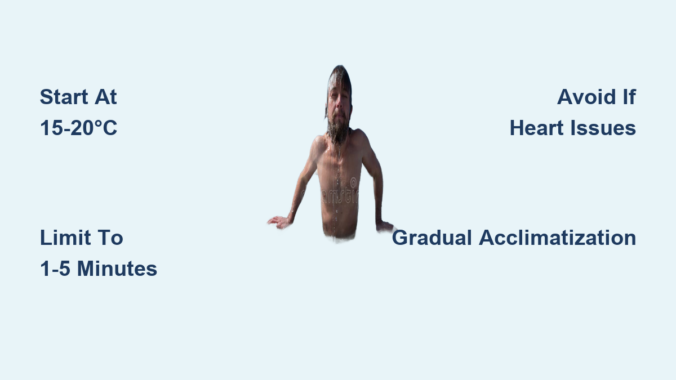
Advanced cold therapy practitioners following methods like the Wim Hof technique may extend sessions to 20 minutes or longer, but these extended exposures require months of gradual progression and careful monitoring. Never attempt prolonged immersion without building a foundation first.

For those specifically training for cold adaptation competitions or seeking maximum brown fat activation, durations of 15-20 minutes at temperatures around 50°F (10°C) may provide additional benefits. However, these extended sessions should only be attempted after consistently tolerating 10-12 minute sessions for at least 8-12 weeks. Always have a spotter present during extended cold exposure sessions, and never exceed 20 minutes without medical supervision and specific training protocols.

Beginner to Expert: Ice Bath Duration by Experience Level

ice bath progression chart beginner intermediate advanced

Your cold bath experience directly influences how long you should stay in. Beginners face different physiological responses than seasoned practitioners, making experience-based duration guidelines essential for safe progression.

First-Time Ice Bath Duration Recommendations

Beginners should start with 2 to 5 minutes of exposure. This window allows your body to begin adapting without triggering extreme stress responses. Many first-timers experience rapid breathing, heart rate increases, and discomfort during initial exposures—these are normal but indicate you shouldn’t push beyond your comfort zone early on. Starting conservative builds confidence and establishes a foundation for longer sessions.

Your first session should feel challenging but manageable. If you’re experiencing panic or extreme distress, you’ve gone too long. Exit immediately, warm up gradually, and try again in a few days with a shorter duration. The goal of early sessions isn’t duration—it’s learning to control your breathing and remain calm during cold stress. Consider using the “3-3-3 method”: three days in a row of three minutes each at a temperature you can tolerate.

Intermediate Ice Bath Duration Guidelines

Intermediate practitioners with several weeks of consistent cold exposure can extend to 5 to 10 minutes. At this stage, your body has begun adapting to cold stress, and your breathing pattern (the mammalian dive reflex) becomes more manageable. This duration range captures the therapeutic sweet spot for most recovery and wellness goals.

You’ve likely reached intermediate status when you can comfortably complete 5-minute sessions without significant distress. Now focus on extending your time while maintaining controlled breathing. Add 30-60 seconds to each session until you reach the 8-10 minute range. Pay attention to how your body responds—some days will feel easier than others due to factors like sleep quality, stress levels, and recent training intensity.

Advanced Cold Exposure Duration Protocols

Advanced practitioners who have built cold tolerance over months can comfortably sustain 10 to 15 minutes or longer. Extended durations of 15-20 minutes may benefit those seeking maximum anti-inflammatory effects or training for cold adaptation competitions. However, even experienced individuals should remain cautious about exceeding 20 minutes without specific protocols and supervision.

At this level, you’ll notice your cold shock response diminishes significantly—you may experience only mild breathing changes rather than the dramatic gasping of early sessions. Your body has developed better peripheral vasoconstriction and can maintain core temperature more effectively. Advanced practitioners often incorporate specific breathing techniques and mental focus exercises to extend their tolerance safely. Remember that even experts should never ignore warning signs like numbness, confusion, or loss of coordination.

Temperature-Duration Relationship: The Critical Balance

ice bath temperature duration chart infographic

Water temperature and duration work together to determine your cold exposure dose. Colder water requires shorter exposure times to achieve similar physiological effects, while slightly warmer water needs longer sessions. Understanding this relationship helps you calibrate your sessions precisely.

Standard Ice Bath Temperature Timing

Standard ice bath temperatures range from 50-59°F (10-15°C) for most therapeutic purposes. At this range, 10-15 minutes delivers meaningful benefits for recovery and wellness. Water at the colder end of this spectrum (50-55°F) may achieve similar effects in 8-12 minutes, while the warmer end (55-59°F) might require the full 15 minutes for comparable results.

Key temperature-duration guidelines:
– 50-55°F (10-13°C): 8-12 minutes
– 55-59°F (13-15°C): 10-15 minutes
– 59-65°F (15-18°C): 12-20 minutes (cold shower range)

Danger Zones: Extreme Cold Exposure Timing

Very cold water below 50°F (10°C) demands extreme caution and significantly reduced exposure times. Even experienced practitioners should limit sessions to 3-5 minutes in these conditions. Water below 40°F (4°C) is potentially dangerous for extended exposure and should only be attempted with medical supervision and specific training.

Never ignore these warning signs during cold exposure:
Uncontrollable shivering (beyond mild initial response)
Numbness in extremities or face
Confusion or difficulty speaking
Loss of coordination or muscle control
Extreme pain rather than discomfort

If you experience any of these symptoms, exit immediately and warm up gradually. Do not attempt hot showers right after extreme cold exposure, as rapid temperature changes can cause dangerous blood pressure fluctuations.

Ice Bath Duration Progression Framework

Successful ice bath practice requires gradual progression rather than aggressive extension of duration. Rushing this process leads to discomfort, potential injury, and often causes practitioners to abandon cold therapy entirely. A structured progression framework sets you up for long-term success.

First 2 Weeks: Building Cold Tolerance Foundation

Week one and two should focus on establishing comfort with cold water exposure. Limit sessions to 2-3 minutes every other day, prioritizing breathing control and relaxation over duration. Use water temperatures on the warmer end of the therapeutic range (55-59°F) during this phase. The goal is building the mental skills to remain calm during cold stress, not pushing physical limits.

During these initial sessions, practice deep breathing techniques before entering the water and continue them throughout your immersion. Focus on extending your exhales—try a 4-7-8 pattern (inhale 4 seconds, hold 7, exhale 8). Exit when you feel significant discomfort but before panic sets in. Most beginners find they can add 30-60 seconds to each session as the week progresses.

Weeks 3-4: Extending Your Cold Exposure Time

Weeks three and four introduce modest duration increases to 4-6 minutes per session. You may begin experimenting with slightly colder water (50-55°F) if comfortable. Maintain the every-other-day frequency to allow recovery between sessions. Pay attention to how your body responds—some days will feel easier than others.

At this stage, you should notice reduced initial shock response and better breathing control. If you’re consistently completing 5-minute sessions without distress, you’re ready to begin extending duration. Add no more than 30 seconds per session, and don’t increase both duration and temperature simultaneously. Track your sessions in a journal noting temperature, duration, breathing patterns, and how you felt afterward to identify your personal progression curve.

Common Ice Bath Duration Mistakes to Avoid

Even well-intentioned practitioners undermine their ice bath practice with timing errors. Recognizing these common mistakes helps you optimize your sessions for maximum benefit.

Pushing Through Dangerous Discomfort Levels

Pushing through extreme discomfort rarely produces better results. While mild discomfort is expected and beneficial, sharp pain, numbness, or panic indicate you’ve exceeded your safe threshold. Exit the water, reassess your temperature and duration, and adjust downward for your next session. Mental toughness means knowing when to push and when to retreat.

Ignoring Individual Response Variability

Ignoring individual variation leads to unnecessary frustration. Someone at your gym might tolerate 15 minutes comfortably while you struggle at 5 minutes—this doesn’t indicate weakness, only differences in cold tolerance, body composition, and adaptation rate. Track your own progress rather than comparing to others. Factors like body fat percentage, recent sleep quality, stress levels, and even menstrual cycle phase can significantly impact your cold tolerance on any given day.

Key Takeaways: Your Personalized Ice Bath Duration Plan

ice bath benefits infographic recovery performance

Mastering how long to take ice bath sessions requires understanding that more isn’t always better. For most practitioners seeking recovery and wellness benefits, 5-15 minutes in 50-59°F water delivers optimal results when practiced consistently. Begin conservatively with 2-5 minutes, progress gradually over weeks and months, and adjust based on your goals, experience level, and how your body responds.

Temperature and duration work together—colder water requires shorter exposure times, while slightly warmer water allows longer sessions. Never sacrifice safety for duration, and prioritize consistent practice over occasional marathon immersions. Build your cold tolerance progressively, respect warning signs, and recognize that sustainable practice beats aggressive attempts that lead to abandonment.

The journey into cold therapy rewards patience and consistency. Whether your goal is faster muscle recovery, improved mental resilience, or general wellness, these duration guidelines provide a framework for safe, effective practice. Start where you are, progress steadily, and enjoy the cumulative benefits that come from regular, well-calibrated cold exposure.

How to Use a Chest Freezer as an Ice Bath


Waking up to aching muscles after an intense workout but dreading the hassle of filling your tub with bags of ice? A converted chest freezer ice bath solves this problem by providing ready-to-use cold therapy whenever you need it. This practical solution eliminates the constant ice purchases and setup time required by traditional methods. By transforming an affordable $150-$400 chest freezer into a dedicated cold plunge, you gain immediate access to therapeutic cold water at precisely controlled temperatures—no more waiting for ice to melt or dealing with inconsistent cooling. Whether you’re an athlete seeking faster recovery or someone exploring cold therapy for mental clarity and reduced inflammation, this guide delivers everything you need to build a reliable home ice bath system that rivals professional setups costing thousands.

Why Chest Freezers Outperform Portable Ice Baths for Cold Therapy

chest freezer vs portable ice bath comparison side by side

Choosing the right foundation for your ice bath makes all the difference in effectiveness and convenience. Chest freezers beat portable tubs and ice-filled bathtubs in four critical areas that directly impact your cold therapy results.

Temperature consistency eliminates waiting time for your sessions. Unlike ice baths that gradually warm as ice melts, a chest freezer maintains your exact temperature setting 24/7. This means you can step into therapeutic cold water immediately after your workout, first thing in the morning, or whenever recovery timing matters most. The built-in compressor automatically adjusts cooling intensity based on actual water temperature, ensuring your plunge stays within the optimal 50-59°F range without manual intervention.

Cost savings become substantial within months of regular use. While commercial cold plunge units start at $1,500 and often exceed $5,000, a quality chest freezer costs just $150-$400. Factor in ongoing ice costs—typically $3-$5 per session—and the chest freezer pays for itself after just 30-50 sessions. Even with electricity costs of $25-$75 annually, you’ll save hundreds compared to professional alternatives or regular ice purchases.

Superior insulation maintains temperature while reducing energy use. Chest freezer walls and lids are engineered with thick insulation to prevent frost buildup in freezer conditions—properties that work equally well for keeping water cold. This insulation minimizes compressor runtime, lowering electricity costs compared to makeshift cooling solutions. The rectangular shape also maximizes usable water space relative to footprint, allowing full-body immersion in compact dimensions that fit easily in garages or basements.

Long-term reliability supports daily cold therapy habits. These appliances are designed for continuous operation over years, featuring simple mechanical systems with fewer failure points than specialized cold plunge equipment. Replacement parts remain widely available, and the straightforward design makes troubleshooting accessible for most users.

Setting Your Chest Freezer to the Perfect Cold Therapy Temperature

chest freezer thermometer reading water temperature

Achieving therapeutic benefits while avoiding risks requires precise temperature control. Your chest freezer’s dial settings rarely match actual water temperatures, making accurate measurement essential for safe, effective sessions.

Calibrate your freezer before adding water. Set the dial to position 3 (mid-range) and let the empty freezer run for 24 hours. Place a waterproof digital thermometer inside to record actual internal temperature. Most chest freezers at setting 3 will stabilize between 28-35°F—far too cold for direct immersion. This calibration establishes your baseline for subsequent adjustments.

Target the 50-59°F therapeutic range for optimal results. Fill your freezer with water, install your digital thermometer, and gradually adjust the dial upward from position 3. Most users find the ideal setting between 4-6 on a 7-point dial, though this varies by model. Wait 12-24 hours between adjustments to allow full stabilization. At 55-59°F, you’ll experience effective vasoconstriction for recovery while maintaining comfortable tolerability for 10-15 minute sessions.

Use strategic dial adjustments for temperature fine-tuning. If your water stabilizes at 52°F but you prefer 55°F, raise the dial one position. Conversely, if water reaches 62°F, lower the dial incrementally. Remember that ambient room temperature affects performance—garages in summer may require lower dial settings than basements in winter. Track your settings and corresponding water temperatures in a log for future reference.

Essential Modifications for Safe, Comfortable Ice Bath Use

Transforming a chest freezer into a functional ice bath requires three critical modifications that address drainage, safety, and comfort—each taking less than 30 minutes with basic tools.

Install a Permanent Drain System for Easy Water Changes

Bailing out 100+ pounds of water after each use becomes impractical quickly. Adding a drain fitting solves this problem permanently:

  1. Identify the lowest point on the exterior wall near the freezer’s base
  2. Drill a ½-inch hole from the outside inward
  3. Insert a ¾-inch threaded drain fitting with Teflon tape on threads
  4. Secure with a rubber washer and nut on the interior side
  5. Attach a standard garden hose connector to the exterior

This $15 modification allows complete water drainage in minutes—simply unscrew the plug and direct the hose to your chosen drainage point.

Create a Non-Slip Surface to Prevent Dangerous Falls

Wet freezer interiors become dangerously slippery when filled with water. Apply these safety measures before first use:

  • Install non-slip grip tape along the bottom surface in a grid pattern
  • Add a rubber anti-slip mat cut to fit the interior floor
  • Place rubberized bath mats along the rim where hands rest during entry/exit

These simple additions prevent the most common ice bath injury—slipping while entering or exiting the cold water.

Add Comfort Enhancements for Sustainable Daily Use

Make your cold therapy sessions more tolerable with these comfort modifications:

  • Line the interior rim with pool noodles secured by waterproof adhesive
  • Install a small step stool for easier entry and exit
  • Place a waterproof timer within easy view inside the lid
  • Add a dedicated towel hook nearby for post-plunge drying

These small touches significantly improve user experience, making consistent daily use more likely.

Cold Therapy Safety Protocols Every User Must Follow

Ignoring these critical safety practices turns therapeutic cold exposure into a dangerous activity with potentially serious consequences.

Never exceed 15 minutes at temperatures below 55°F. The numbing effect of cold water masks early warning signs of tissue damage. Set a visible timer and commit to exiting when it sounds—no exceptions. Start with just 2-3 minutes if you’re new to cold therapy, increasing by 30-second increments weekly.

Always have someone nearby during your first 10 sessions. Cold shock response can trigger involuntary gasping, increasing drowning risk if alone. Even experienced users should inform someone when beginning a session, especially at temperatures below 52°F.

Wait at least two hours after eating before cold immersion. Blood flow redirects to the digestive system after meals, and sudden cold exposure can cause dangerous blood pressure fluctuations. Similarly, avoid cold therapy within 30 minutes of intense exercise when your heart rate remains elevated.

Exit immediately if you experience tingling, burning, or uncontrollable shivering. These indicate the onset of cold injury. Never “push through” these sensations—your body is signaling real tissue damage. After exiting, dry off completely and warm up gradually with light movement rather than direct heat sources.

Weekly Maintenance Routine for Crystal-Clear Water

Prevent cloudy water, odors, and bacterial growth with this 15-minute weekly maintenance process that keeps your ice bath hygienic and pleasant to use.

Test and adjust sanitizer levels every 3 days. Use test strips designed for hot tubs to check bromine or chlorine levels. At ice bath temperatures, maintain 3-5 ppm bromine or 1-3 ppm chlorine—higher than standard pool levels due to reduced chemical effectiveness in cold water. Add sanitizer tablets according to your water volume.

Shock the water weekly with non-chlorine oxidizer. This breaks down organic contaminants that sanitizer alone can’t eliminate. Dissolve the recommended dose in a bucket of warm water, then pour evenly across the surface. Run the freezer uncovered for 2 hours afterward to allow proper circulation.

Wipe down interior surfaces during water level checks. Use a soft sponge with diluted vinegar solution to remove any biofilm buildup along the waterline. Pay special attention to corners and seams where contaminants accumulate. Rinse thoroughly with clean water afterward.

Check your drain plug seal monthly. Remove the plug and inspect the rubber gasket for cracks or deformation. Apply petroleum jelly to maintain flexibility and prevent leaks. Replace damaged gaskets immediately to avoid water damage to your flooring.

Cost Comparison: Chest Freezer vs. Professional Cold Plunge

chest freezer ice bath cost breakdown infographic

Understanding the true cost picture helps justify your investment and demonstrates why chest freezer conversions dominate the home cold therapy market.

A complete chest freezer ice bath system costs $250-$550 upfront:
– Chest freezer: $150-$400 (10-15 cubic feet)
– Drain modification: $15
– Water treatment supplies: $30
– Comfort accessories: $50

Annual operating costs run $75-$175:
– Electricity: $25-$75
– Water treatment: $50-$100

Compare this to commercial cold plunge units starting at $1,500 with annual electricity costs of $150-$300. Even at moderate use (3 sessions weekly), the chest freezer pays for itself within 6-8 months. The simple mechanical design also means lower repair costs—most issues can be fixed with $20 replacement parts rather than specialized technician visits required for complex commercial units.

Maximizing Recovery Benefits from Your Chest Freezer Ice Bath

Transform your cold therapy from simple recovery tool to performance-enhancing ritual with these science-backed techniques that amplify results.

Time sessions within 30 minutes post-workout for maximum inflammation reduction. Cold exposure immediately after exercise constricts blood vessels, limiting inflammatory response while flushing metabolic waste from working muscles. This narrow window delivers significantly greater recovery benefits than delayed immersion.

Practice controlled breathing for 30 seconds before entering. The Wim Hof breathing method—30 deep inhales followed by complete exhale and breath hold—triggers physiological changes that reduce cold shock response. This simple technique makes colder temperatures more tolerable while enhancing oxygen delivery during your session.

Track your adaptation progress with session logs. Record water temperature, duration, and subjective sensations after each plunge. Most users notice significant improvements in cold tolerance within 2-4 weeks, allowing progression to colder temperatures or longer durations. This data helps optimize your protocol for maximum benefits.

Combine cold therapy with contrast therapy for enhanced circulation. Follow your ice bath with 2-3 minutes of warm shower (not hot), then return to the cold for an additional 2-3 minutes. This vascular “pumping” action significantly boosts circulation benefits compared to cold exposure alone.

A chest freezer ice bath delivers professional-grade cold therapy at a fraction of commercial unit costs when properly configured and maintained. By implementing these precise temperature controls, essential safety protocols, and strategic usage techniques, you’ll create a sustainable cold therapy practice that enhances recovery, reduces inflammation, and supports long-term health goals. Start conservatively with warmer temperatures and shorter durations, then gradually progress as your body adapts—consistency matters far more than extreme conditions for achieving meaningful results.